Ghana's plastic recyclers push government for dedicated industrial hub to tackle waste crisis

Ghana's plastic recycling sector is calling for urgent government action to establish a dedicated industrial hub that would consolidate operations, generate employment and tackle the nation's escalating plastic waste problem. The Ghana Plastic Recyclers Association has made the appeal as the country grapples with mounting environmental pressures from improper waste management and plastic pollution.
The proposed industrial hub would serve as a centralised facility where recyclers can operate with improved infrastructure, shared resources and better access to technology. Such an intervention could significantly enhance the efficiency and profitability of recycling operations currently fragmented across informal and small-scale enterprises.
Economic and employment benefits
A dedicated recycling hub would create multiple layers of job opportunities across the value chain. Beyond direct employment in collection, sorting and processing, supporting roles in logistics, quality control, equipment maintenance and administrative functions would emerge. For a developing economy like Ghana, where unemployment remains a concern—particularly among youth—the sector represents an underutilised avenue for sustainable livelihoods. Formal recycling operations with proper certification and safety standards would also improve working conditions for industry participants and elevate the sector's professional standing.
Environmental imperative and waste management
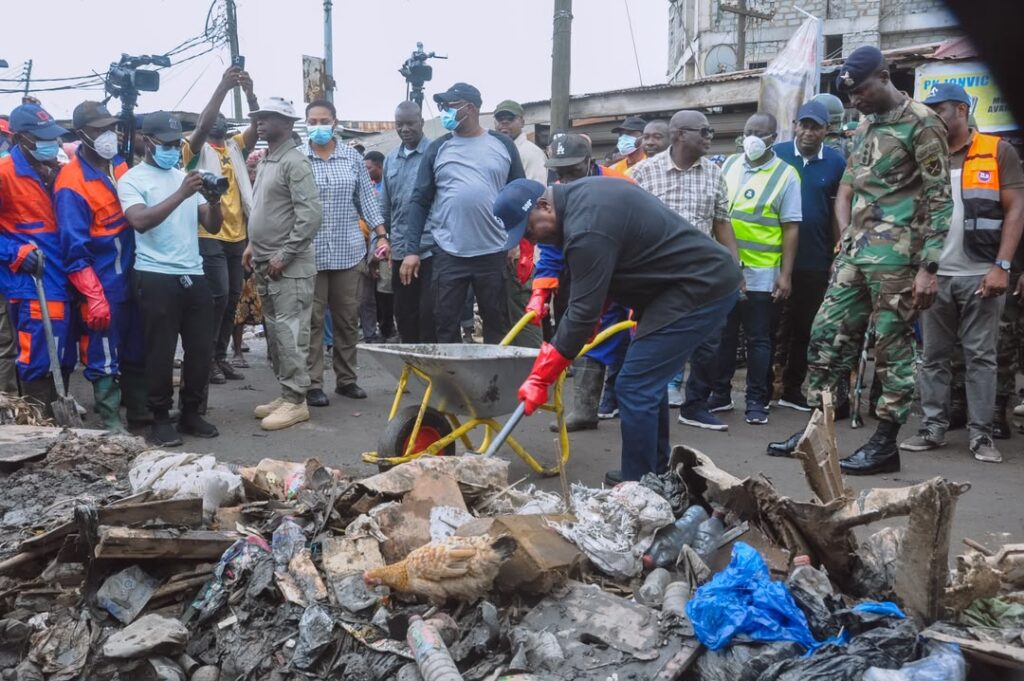
Ghana faces an acute plastic waste crisis. Urban centres generate substantial quantities of single-use plastics from packaging, bags and containers, much of which ends up in landfills, waterways and the ocean. This contamination harms marine ecosystems, pollutes soil and degrades environmental quality. A structured recycling infrastructure would intercept more plastic waste before it reaches disposal sites, extending material lifecycles and reducing demand for virgin plastic production—which carries its own environmental costs in terms of fossil fuel consumption and emissions.
Why it matters for Ghana
The establishment of a plastic recycling hub aligns with Ghana's broader sustainability goals and international commitments on environmental protection. The African continent is increasingly recognised as disproportionately affected by global plastic waste, including imported waste, making local recycling capacity a matter of national sovereignty and environmental justice. For Ghana specifically, investing in recycling infrastructure demonstrates commitment to the circular economy model and positions the nation as a responsible environmental steward within West Africa.
Additionally, a formalised recycling sector could unlock economic value currently lost to informal markets. Properly processed recycled plastics attract better prices from manufacturers seeking sustainable materials for production. This creates a feedback loop where improved profitability incentivises greater participation and investment in the sector.
Government support through infrastructure development would reduce individual operators' capital burden and lower barriers to entry, democratising access to recycling opportunities. Public-private partnerships could accelerate implementation while sharing financial and operational risks.
The call from recyclers represents a convergence of environmental necessity and economic opportunity—precisely the type of initiative that developing nations should prioritise.
Source: 3News



Comments (0)
Be the first to comment.