
Ghana's Major 1,200MW Gas Power Plant to Launch in 2028—Promise of Cheaper Electricity and 2,000 Jobs
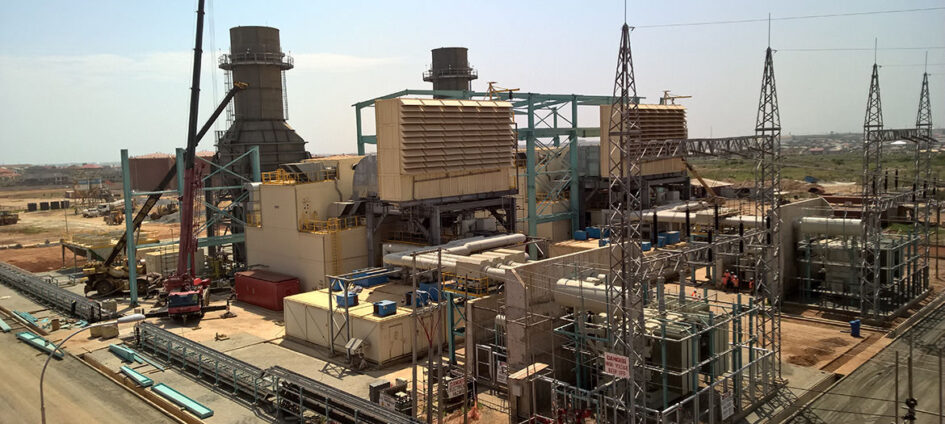

Ghana is set to build one of its largest power generation facilities in recent years, with Finance Minister Dr Cassiel Ato Forson announcing a 1,200-megawatt state-owned combined-cycle gas-fired power plant during the 2026 Mid-Year Budget Review presentation in Parliament on Thursday, July 23. The facility, to be constructed at Kafodzidzi-Abrobeano in the Komenda-Edina-Eguafo-Abrem Municipality in the Central Region, is designed to significantly expand the nation's electricity generation capacity and bring relief to consumers facing high power costs.
Feasibility studies have already validated the project's technical and commercial viability, with environmental, engineering and permitting work already progressing. The first phase of the project, comprising 600 megawatts, is expected to be operational by 2028, with the remaining 600 megawatts to follow. The government has made a strategic decision to source gas turbines directly from GE Vernova, a move that Dr Forson said will deliver cost savings of between 35 and 45 percent compared to third-party procurement arrangements—a significant reduction in capital expenditure for the project.
Economic and Employment Benefits
The Finance Minister emphasised that the new power plant will have immediate and long-term economic impacts for Ghana. The project is projected to reduce electricity generation costs, with tariffs expected to fall between 10 and 20 percent once the first phase comes online. This reduction would represent substantial savings for households, businesses and industries across the country, potentially easing pressure on manufacturing competitiveness and household budgets.
Beyond tariff reductions, the power plant is forecast to create over 2,000 direct and indirect jobs during the construction and initial operation of the first phase. This employment generation would provide opportunities in engineering, skilled trades, logistics, security and various service sectors supporting the project.
Ghana's Energy Infrastructure and Long-Term Strategy
This project forms a critical component of Ghana's broader energy infrastructure modernisation strategy. The country has grappled with electricity supply constraints and high generation costs over the past decade, partly due to reliance on ageing thermal plants and variable hydroelectric output dependent on rainfall patterns. The new combined-cycle plant represents a significant shift towards modern, efficient gas-fired generation—a technology that offers faster startup times, lower operational emissions compared to coal, and more stable power output than renewable sources alone.
The location in the Central Region also aligns with efforts to decentralise infrastructure development and strengthen electricity supply in coastal and southern zones. Combined-cycle plants, which use both gas turbines and steam turbines in sequence, are among the most efficient fossil fuel power generation technologies available, meaning more electricity is generated per unit of fuel consumed.
The announcement reflects government confidence in stabilising Ghana's power sector after years of load-shedding and tariff disputes. Whether the project achieves its 2028 timeline and meets cost projections will be closely watched by investors, consumers and policymakers as a test of Ghana's capacity to execute large-scale infrastructure programmes on schedule and within budget.
Source: The Ghana Report




Comments (0)
Be the first to comment.