
Ghana's power crisis demands more than tariff hikes, expert warns amid PSP debate

Ghana's electricity distribution challenges cannot be solved by simply raising tariffs, according to a senior energy policy expert, as the debate over private sector involvement in the Electricity Company of Ghana (ECG) intensifies amid fierce opposition from worker unions.
Smith Prosper Boahene, Senior Research and Policy Analyst at the Institute for Energy Security (IES), argues that policymakers must look beyond quick fixes and address the structural inefficiencies draining the power sector. His intervention comes as the Trades Union Congress (TUC) has raised alarm over proposed private sector participation (PSP) arrangements affecting ECG and the Northern Electricity Distribution Company (NEDCo), citing concerns about consumer costs, job security and tariff implications.
The real problem: Massive losses crippling the system
Rather than endlessly increasing what Ghanaians pay for electricity, Boahene contends the focus must shift to the staggering losses plaguing distribution networks. ECG currently operates with commercial and technical losses estimated at around 26% of power distributed—a figure the company aims to reduce to 25% this year, yet progress remains glacial despite repeated intervention efforts.
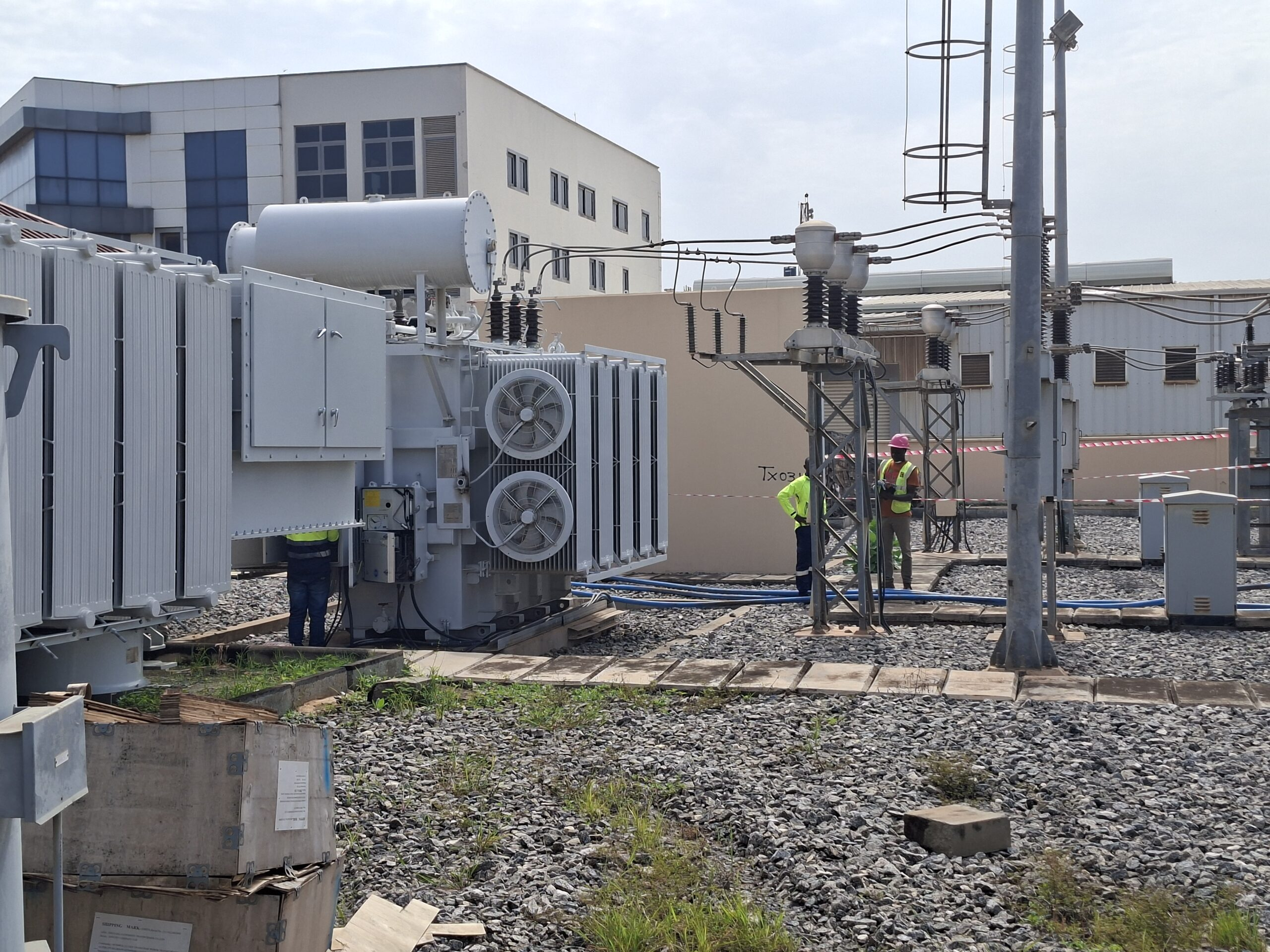
Technical losses, driven by ageing and obsolete infrastructure throughout the distribution network, represent a particularly stubborn challenge. Thousands of megawatts leak away through damaged cables, aging transformers and deteriorating transmission lines before reaching consumers' homes and businesses. Modernising this creaking infrastructure would yield far greater efficiency gains than tariff increments alone.
Commercial losses—ECG's inability to collect payment for all electricity supplied—compound the problem. This revenue shortfall creates a vicious cycle: the company cannot generate sufficient income to pay fuel suppliers and honour obligations to Independent Power Producers (IPPs) contracted to feed power into the grid. The cash waterfall mechanism that coordinates these payments breaks down, leaving arrears that government must eventually cover.
Government's mounting exposure and the PSP question
The financial stakes have become staggering. Ghana's government has spent more than $1.5 billion clearing energy sector debts while continuing to shoulder capacity charges and fuel-related arrears. This mounting exposure underscores why sustainable solutions matter critically—the burden ultimately falls on taxpayers.
Boahene emphasises that private sector participation discussions should centre on whether proposed arrangements can meaningfully improve operational efficiency and tackle persistent losses. However, he cautions against conflating PSP with outright privatisation of ECG, suggesting the debate has become clouded by semantic confusion and political emotion.
The analyst challenges stakeholders, particularly the TUC, to move beyond opposition and propose concrete policy alternatives. If private sector participation is problematic, what specific interventions would the union recommend to restore operational sustainability whilst protecting consumers and workers?
Why it matters for Ghana
Ghana's electricity sector sits at a critical juncture. Citizens already face some of West Africa's highest tariffs, yet service reliability remains inconsistent and the financial model is unsustainable. Power is essential for economic competitiveness—manufacturing, healthcare, education and digital services all depend on reliable, affordable electricity.
How Ghana resolves this tension—between protecting consumers from tariff shock, ensuring worker protections, and achieving operational sustainability—will shape the nation's development trajectory. Better infrastructure and revenue collection could unlock cheaper, more reliable power without perpetual tariff increases. Conversely, continued drift risks deeper financial crisis and deteriorating service quality.
The coming months will reveal whether stakeholders can move past entrenched positions toward evidence-based policymaking focused on Ghana's energy security and economic future.
Source: MyJoyOnline



Comments (0)
Be the first to comment.