Ghana's Power Lifeline: How GH¢20bn in State Support is Keeping ECG Afloat Amid Growing Debt Crisis
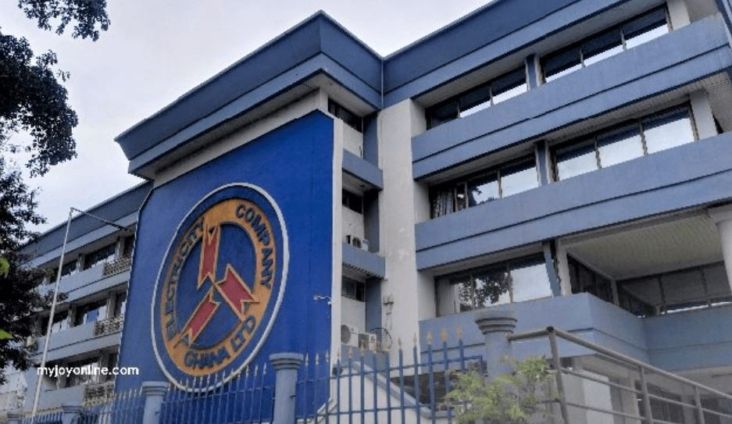
Ghana's Electricity Company Limited (ECG) is operating on life support, with a GH¢20 billion government financing injection in 2025 the only thing preventing the nation's main power distributor from a financial collapse, according to new accounts reviewed by GH Today.
The troubling picture emerging from ECG's latest financial statements shows a utility caught in a vicious cycle: without direct government support and backed loans, the company's cash position would have deteriorated sharply. Yet despite this massive lifeline, fundamental operational problems continue to worsen, suggesting that throwing money at the problem is not fixing the underlying issues affecting Ghana's power sector.
The Scale of the Crisis
The GH¢20 billion in financing that propped up ECG during 2025 masks a more serious reality. Customer debts continue to accumulate, meaning households and businesses owe ECG significant arrears. Simultaneously, system losses—power lost through theft and technical inefficiency—remain stubbornly high, a longstanding problem that has plagued Ghana's electricity distribution for years.
Perhaps most concerning is the unresolved receivables owed by the Power Distribution Services (PDS), the private operator that took over ECG's operations in the southern zone. This outstanding debt adds another layer of complexity to an already fractured financial situation.
The accounts reveal a distributor struggling to collect what it is owed whilst bleeding money through inefficiencies, all whilst depending on government handouts to stay solvent.
Why This Matters for Ghana
ECG's financial crisis has real consequences for every Ghanaian. When the utility cannot properly manage its finances, electricity supply becomes unreliable, power cuts increase, and the cost of doing business rises. Small and medium enterprises, hospitals, schools and households all suffer when the distribution system is dysfunctional.
The fact that GH¢20 billion in government support is needed simply to keep ECG operational raises serious questions about whether the current model is sustainable. Government funds allocated to ECG could otherwise be spent on healthcare, education or infrastructure. Meanwhile, if the underlying problems—customer arrears, system losses, and operational inefficiency—are not resolved, even larger government injections may be needed in future years.
This situation also undermines Ghana's energy security narrative. Whilst the nation has invested in new generation capacity, the distribution leg of the supply chain remains broken. Without a functioning distributor, new power plants cannot deliver electricity reliably to consumers, limiting economic growth and investor confidence.
The Road Ahead
ECG's 2025 accounts are a wake-up call. Government support has become a band-aid solution rather than a cure. Real reforms are needed: aggressive debt collection from non-paying customers, concrete measures to reduce system losses, and resolution of the PDS dispute that continues to complicate the southern zone's operations.
Until these structural issues are tackled, ECG will remain dependent on annual government handouts, creating an unsustainable cycle that drains public resources and leaves Ghana's power distribution vulnerable to further shocks.
Source: 3News

Comments (0)
Be the first to comment.