
Government targets 206 Volta communities for electricity expansion in six-month push
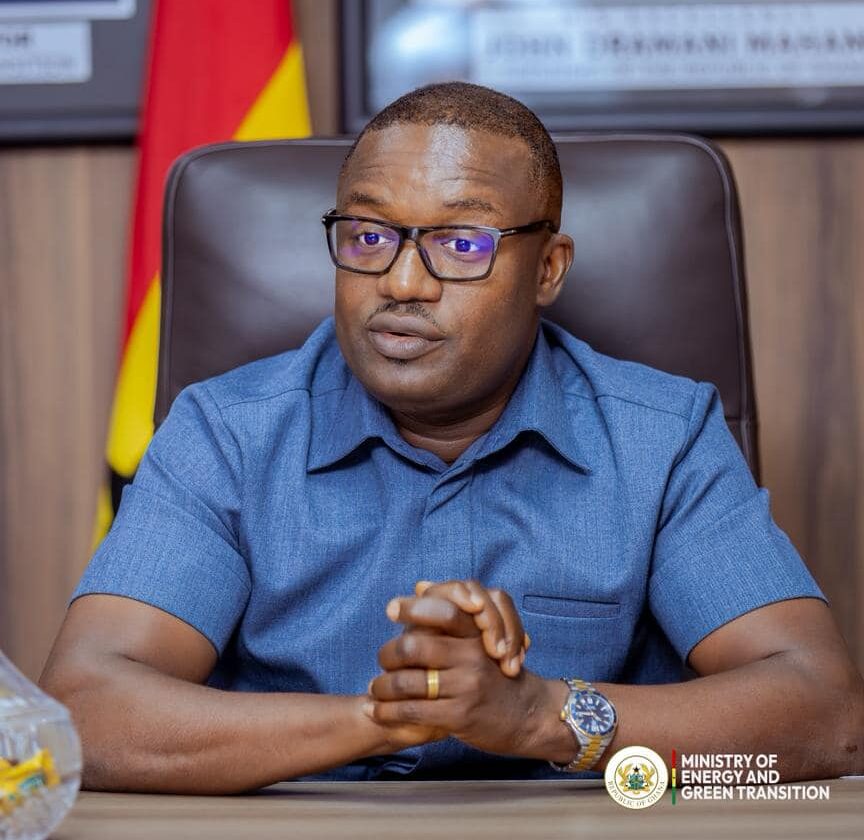
The government has launched an ambitious electricity infrastructure project aimed at connecting 206 unelectrified communities across 18 districts in the Volta Region to the national grid within the next six months. The Rural Electricity Acceleration and Urban Intensification Initiative (REIP), announced by Energy and Green Transition Minister John Abdulai Jinapor at a launch event in Ho, represents a significant step towards closing Ghana's rural electrification gap.
The project, being executed by Byes and Ways Limited with a government investment of GH¢598 million, is positioned as a cornerstone of the administration's Big Push programme. Minister Jinapor emphasised the government's commitment to accelerated electricity access, stating that the initiative forms part of a broader four-year regional development strategy focused on closing the gap between urban and rural Ghana.
Volta Region First in Expanded Regional Strategy
The Volta Region is not alone in this drive. The government has adopted a targeted regional approach, with the Savannah, Central, Oti and Volta Regions selected for priority interventions this year. This phased expansion reflects a deliberate strategy to tackle energy poverty systematically across different parts of the country rather than attempting a nationwide rollout simultaneously.
The six-month completion timeline is ambitious, and Minister Jinapor acknowledged the need for rigorous oversight. He pledged that the Ministry would closely monitor implementation to ensure quality standards, value for money and adherence to the schedule. This reassurance addresses concerns that have dogged previous infrastructure projects in Ghana, where delays and cost overruns have been common.
Why It Matters for Ghana
Access to electricity remains unevenly distributed across Ghana, with rural communities significantly lagging behind urban centres. The Volta Region, despite its economic potential, has experienced relatively lower electrification rates compared to more developed regions. This project directly addresses development inequality by extending power infrastructure to areas that have historically been underserved.
The government's stated goal of achieving universal electricity access by 2030 aligns with international sustainable development objectives. For Ghana specifically, rural electrification unlocks broader economic opportunities—enabling small businesses, improving healthcare delivery at clinics and health centres, supporting education through reliable lighting for evening classes, and enhancing the quality of life for rural residents.
The investment of GH¢598 million in a single region underscores the financial commitment required to close this infrastructure gap. However, the success of this project will depend not only on efficient construction but also on sustained community engagement and electricity tariff payment discipline to ensure the power distribution network remains financially viable.
Community Responsibilities and Implementation
Minister Jinapor called on multiple stakeholders to ensure project success. Traditional authorities, local assemblies and beneficiary communities are tasked with facilitating access to project sites and resolving right-of-way challenges—issues that have historically delayed similar infrastructure work across Ghana.
Residents are also being urged to protect project materials against vandalism and theft, practices that have compromised infrastructure integrity in some regions. Additionally, the Minister emphasised the importance of electrical safety compliance and prompt electricity bill payment to sustain the sector's financial health.
The project's success will likely serve as a template for future electrification efforts in other underserved regions. If completed on schedule and to quality standards, it could validate the government's approach and pave the way for accelerated rural electricity expansion across Ghana.
Source: MyJoyOnline

Comments (0)
Be the first to comment.