Ghana's HR Leaders Called to Drive Business Growth Through Strategic People Management

Ghana's human resources sector received a clear mandate to evolve beyond traditional administrative functions at this year's HR Connect Conference, where industry leaders emphasised the critical role HR must play in driving organisational and national economic growth.
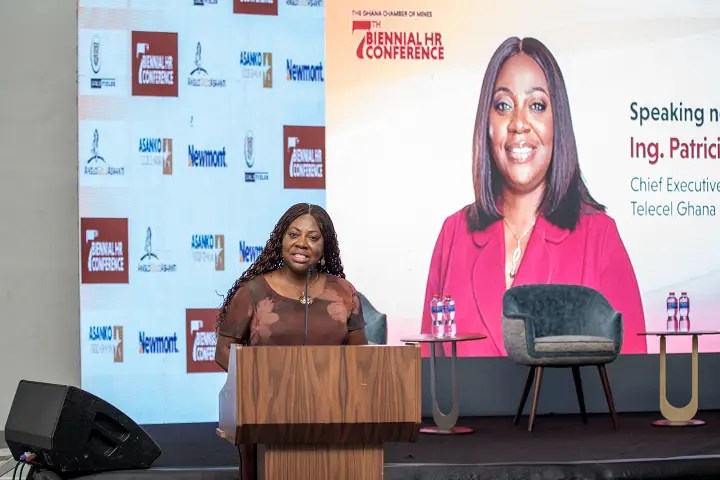
Speaking as a speed coach and during a leadership fireside chat, Rachael Appenteng, Human Resources Director at Telecel Ghana, challenged her peers to acquire the commercial, digital and analytical capabilities necessary to influence decisions at board level. The message was unambiguous: the future belongs to HR professionals who can translate workforce challenges into tangible business outcomes.
"As HR practitioners, it is essential that we understand how our organisations make money, how technology is reshaping work and how workforce decisions affect performance," Ms. Appenteng stated. "That requires commercial acumen, digital adaptability and the confidence to use data to influence executive decisions to advance the business."
Moving Beyond Traditional HR Functions
The two-day conference, organised by HR Network Africa under the theme 'From Certification to Competence: Why Elevating HR is Critical for Business Growth and Competitive Advantage,' brought together HR practitioners and business leaders for intensive masterclasses, competitive HR Battle Pitch sessions, CEO fireside chats and C-Suite Connect tracks.
Ms. Appenteng's core argument reflected a broader industry shift: HR must transcend its transactional roots—payroll processing, recruitment administration, compliance—and become a strategic business partner. This transformation requires professionals to connect workforce dynamics across all relevant pillars of organisational success, creating a holistic view of how people strategy translates into competitive advantage.
The emphasis on data-driven decision-making underscores a growing recognition that HR professionals need technical skills alongside traditional people expertise. Understanding workforce analytics, using talent data to predict performance, and presenting findings in language executives understand are no longer nice-to-have competencies; they are essential.
National Economic Growth and Workplace Integrity
Minister for Labour, Jobs, and Employment, Hon. Dr. Abdul-Rashid Hassan Pelpuo, delivered the conference's keynote address with a complementary message: HR leaders must champion integrity and ethical corporate culture as foundations of effective leadership. He linked strong workplace culture directly to Ghana's long-term business and national economic growth.
This government-level endorsement signals broader policy recognition that how organisations manage their people affects not just individual company performance but Ghana's competitiveness regionally and globally. With ECOWAS integration deepening and African economies competing for investment and talent, Ghana cannot afford HR functions that remain siloed from strategic business planning.
Key Themes and Why It Matters for Ghana
Conference sessions explored several themes with direct relevance to Ghana's evolving business landscape:
- Succession planning: Critical for continuity in both public and private sectors as experienced leaders retire
- Diversity and inclusion: Essential for accessing Ghana's full talent pool and meeting international investor expectations
- Attracting younger talent: Building workplace cultures that appeal to Gen Z, who expect purpose-driven organisations and digital-first experiences
- Gender inclusion in male-dominated sectors: Mining and energy sectors must expand recruitment and retention of women to address skills shortages and improve governance
- Data-driven executive buy-in: Using evidence to secure board-level support for HR investments
Ghana's economic diversification strategy relies on sectors like mining, energy, technology and financial services. Each depends on attracting, developing and retaining talent in increasingly competitive regional markets. HR functions that remain transactional—simply processing paperwork and managing compliance—cannot deliver the strategic advantage these sectors need.
The conference highlighted that Ghana's HR professionals must move faster in adopting digital tools, developing commercial literacy and building the analytical capacity to prove their contribution to the bottom line. For multinational companies operating in Ghana and Ghanaian companies competing across West Africa, this shift is not optional. For the country's long-term competitiveness, it is imperative.
Source: Ameyaw Debrah
Comments (0)
Be the first to comment.