Telecel pushes ethical AI framework as Ghana seeks to balance innovation with data privacy
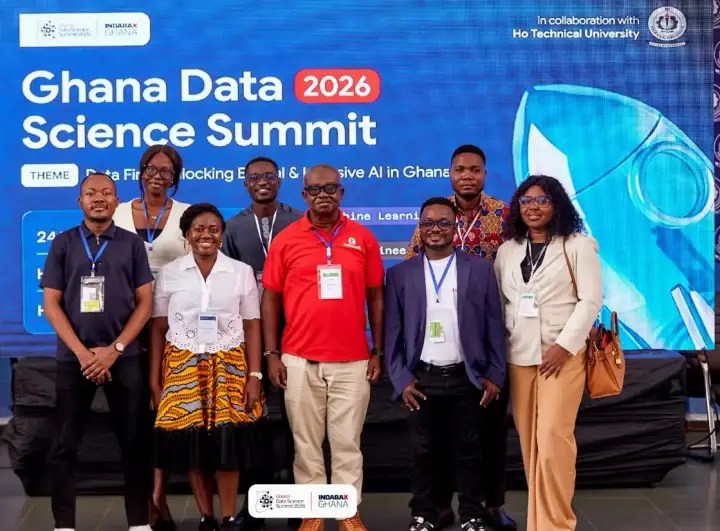
Ghana's telecommunications sector is taking a leading role in shaping how the country approaches artificial intelligence and data science, with Telecel Ghana arguing that ethical standards and industry partnerships are essential to unlocking digital innovation without compromising citizen privacy.
The company's involvement in the Ghana Data Science Summit at Ho Technical University underscored a critical tension facing the nation: researchers and policymakers increasingly need access to data to drive evidence-based decisions, yet telecommunications companies hold sensitive customer information that must be protected. Danso Kwakye, Head of Enterprise Solutions at Telecel Ghana, framed the challenge directly during summit discussions, stating that telecommunications firms possess some of the country's richest datasets, but customer trust depends on safeguarding personal information.
Kwakye outlined a middle path: responsibly sharing anonymised and aggregated data that can support research and innovation without exposing individual privacy. He also called for stronger partnerships between industry, universities and public institutions, paired with investment in secure sandbox environments where researchers and students can experiment with real-world data applications.
Building Ghana's data science workforce
Beyond data governance, the summit highlighted a skills gap facing Ghana's digital economy. Maxwell Darko, HR Manager for Talent Acquisition at Telecel Ghana, warned that employers increasingly seek professionals who combine technical expertise with business acumen and communication skills—a combination not always produced by traditional education systems.
Darko stressed that while technical competence remains essential, companies need graduates who can translate data insights into measurable business outcomes and think critically about real-world problems. He called for deeper collaboration between universities and industry through internships, practical projects and curricula redesigned to reflect workplace realities. The emphasis on combining technical and soft skills reflects a broader challenge across West Africa's tech sector: ensuring that digital transformation benefits from locally trained talent rather than relying entirely on foreign expertise.
Why it matters for Ghana
Ghana has positioned itself as a digital hub within West Africa, with ambitious plans to grow its tech and data science sectors. However, realising this vision requires solving three interconnected problems that the summit addressed: building trust in how companies handle personal data, ensuring the education system produces job-ready graduates, and establishing ethical standards for AI development before the technology becomes deeply embedded in critical systems like healthcare, finance and governance.
Telecel's emphasis on ethical AI and algorithmic bias is particularly timely. An interactive workshop facilitated by the company's data specialists examined how bias enters AI systems and explored approaches for building fairer technologies. This focus on ethical design is crucial because if AI systems deployed in Ghana's public sector or financial institutions inherit or amplify existing inequalities, public confidence in technology could erode before the sector fully develops.
The summit also showcased how the private sector can contribute beyond commercial interests. Telecel used the event to highlight consumer digital innovations like the Telecel Play App and promote connectivity solutions, demonstrating that companies can simultaneously advance national capacity-building and their business objectives.
For Ghana's policymakers, the message is clear: creating a thriving data science ecosystem requires investment in digital infrastructure, education reform and institutional frameworks that allow responsible data sharing. The summit brought together academia, government, development organisations and the technology sector to shape this agenda—a collaborative approach essential for ensuring Ghana's digital transformation benefits the broader population rather than concentrating benefits among a technical elite.
Source: Ameyaw Debrah



Comments (0)
Be the first to comment.