
Ghana to launch national AI computing hub within two years — here's what it means for tech growth

Ghana is moving to establish its own national computing facility dedicated to artificial intelligence research and development, with the government aiming to complete the first phase within 24 months. The facility will provide researchers, universities and businesses with access to high-performance computing infrastructure — a critical requirement for AI work — and represents a strategic shift towards reducing Ghana's dependence on expensive external computing services.
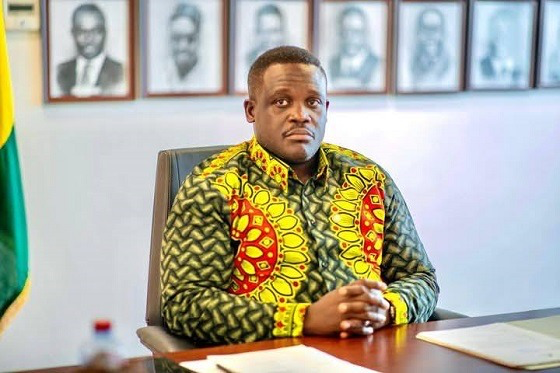
Minister for Communication, Digital Technology and Innovations Samuel Nartey George announced the plans at the JoyNews Digital Economy Forum on AI and the Ghana Economy on Wednesday, October 21. He confirmed that the government is already working through procurement processes with the Public Procurement Authority (PPA) to acquire the necessary data centre infrastructure and equipment.
"24 months from now, we should have phase one completed with serious computing infrastructure that we can then give to our researchers, our industry and our universities who are currently buying tokens outside the country and buying capacity outside the country," Mr George said during the forum.
Why this matters for Ghana
Access to affordable, reliable computing power is a fundamental bottleneck for AI development in Ghana. Researchers, startups and institutions currently purchase computing capacity from international cloud providers — an expensive and sometimes unreliable solution for a developing economy. A domestically owned facility would dramatically lower costs for Ghanaian innovators and create a more stable foundation for AI research.
The initiative also signals Ghana's ambitions to participate meaningfully in the global AI economy, which is reshaping industries from healthcare to finance to agriculture. Countries that build local AI infrastructure and talent early are positioning themselves to capture economic opportunities and develop solutions tailored to African problems — from agricultural productivity to disease detection.
Beyond infrastructure, however, Mr George acknowledged that Ghana faces a longer journey. He cautioned against expecting the current administration to solve all the country's AI infrastructure and capacity needs. The computing facility, he stressed, is "an initial milestone rather than a complete solution" to Ghana's broader AI ambitions.
What comes next
The success of this facility will depend on several factors beyond simply building it:
- Capacity and affordability: The computing power must be sufficient for serious AI research and priced accessibly for universities and startups.
- Reliability and uptime: Researchers need consistent access; frequent downtime would undermine adoption.
- Skills availability: Ghana must develop a workforce capable of managing the facility and using it effectively.
- Sustained investment: Phase one is only the beginning; further phases and upgrades will likely be needed as demand grows.
The government's 24-month timeline is ambitious but achievable if procurement moves smoothly. However, the real measure of success will emerge once researchers and businesses begin using the facility — whether it truly catalyses local AI innovation or becomes an underutilised asset.
This initiative complements Ghana's broader digital economy strategy and reflects growing recognition among policymakers that technology infrastructure, not just policy, is essential for competing in the 21st-century economy.
Source: MyJoyOnline




Comments (0)
Be the first to comment.