
Ghana's Health Minister pushes for African pharmaceutical independence at AU summit
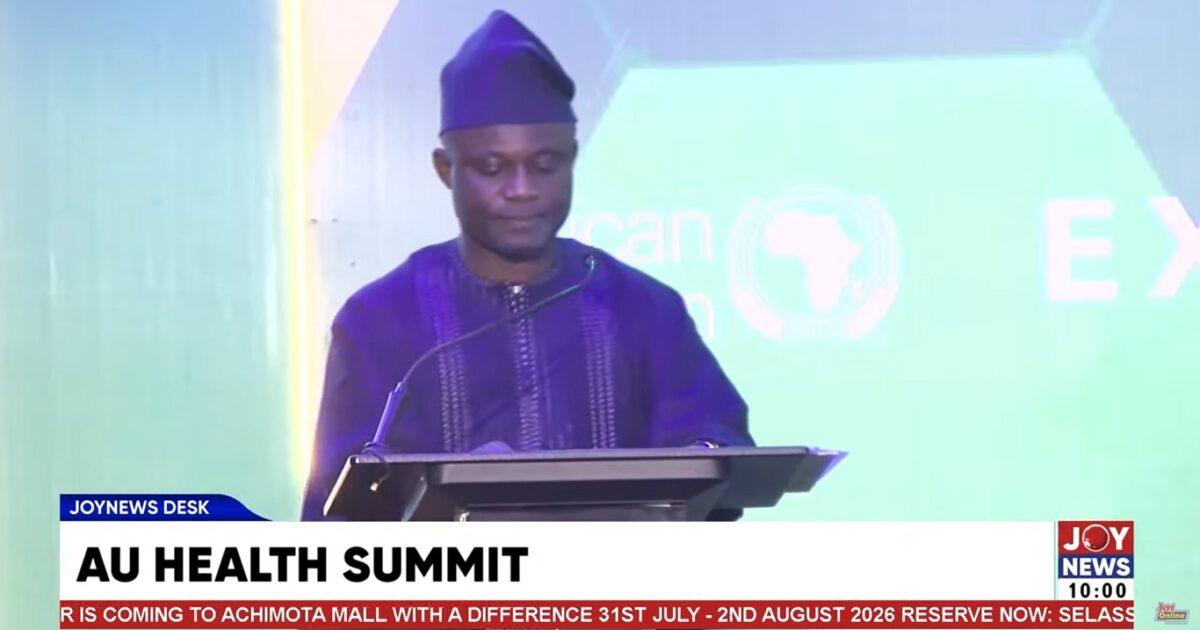

Ghana's Health Minister Kwabena Mintah Akando has made a forceful case for African nations to prioritise homegrown pharmaceutical manufacturing, arguing that the continent's reliance on imported medicines poses a critical threat to health security and economic sovereignty.
Speaking at the Africa Union Extraordinary Health Summit held in Accra on 21 July, Mr Akando highlighted how recent global health crises—including the COVID-19 pandemic—have exposed the fragility of Africa's healthcare supply chains. With the vast majority of medicines, vaccines, and medical technologies consumed across the continent produced outside Africa, he warned that member states face an untenable situation in times of emergency.
"We must strengthen Africa's health sovereignty," Mr Akando declared. "Our continent continues to consume medicines, vaccines, and health technology that are overwhelmingly produced elsewhere. The lessons from recent global crises remain fresh in our minds; the next emergency must never again find Africa waiting at the back of the queue."
A roadmap for continental self-sufficiency
The Health Minister's call reflects a broader push among African leaders to build a resilient pharmaceutical sector anchored on the continent. He emphasised that investing in local manufacturing requires coordinated action across multiple fronts: strengthening regulatory frameworks, harmonising standards across borders, and developing procurement systems that favour African-made products.
Beyond health security, Mr Akando framed pharmaceutical independence as an economic imperative. Local production would create jobs, stimulate industrial development, and generate revenue within African economies rather than enriching foreign corporations. "Investing in local manufacturing, regulatory harmonisation, it means a stronger regional market, it means food procurement and resilient supply chains and above all, it means building the confidence to produce what our people need more here in our continent," he explained.
Why it matters for Ghana
For Ghana specifically, this agenda carries substantial weight. The country is home to a growing pharmaceutical manufacturing sector and has positioned itself as a regional hub for healthcare innovation. Strengthening African pharmaceutical capacity could create significant opportunities for Ghanaian producers to serve not just domestic demand but expand into ECOWAS and continental markets. Moreover, reducing dependence on foreign medicines would lower healthcare costs for ordinary Ghanaians, improve medicine availability during crises, and free up scarce foreign exchange reserves currently spent on imports.
The summit, which brought together African Heads of State and Health Ministers, aims to adopt a comprehensive, costed continental roadmap for improving health outcomes. Tanzania's President Samia Suluhu Hassan led a parallel session focused on maternal, newborn, and child survival—another critical area where access to affordable, reliable medicines remains a challenge across much of Africa.
The broader agenda under discussion encompasses achieving Universal Health Coverage and accelerating progress toward ending AIDS and tuberculosis by 2030, twin goals that depend critically on ensuring African populations have uninterrupted access to life-saving treatments.
Source: MyJoyOnline



Comments (0)
Be the first to comment.