
Ghana's Events Industry Told to Back Up Green Claims With Real Action
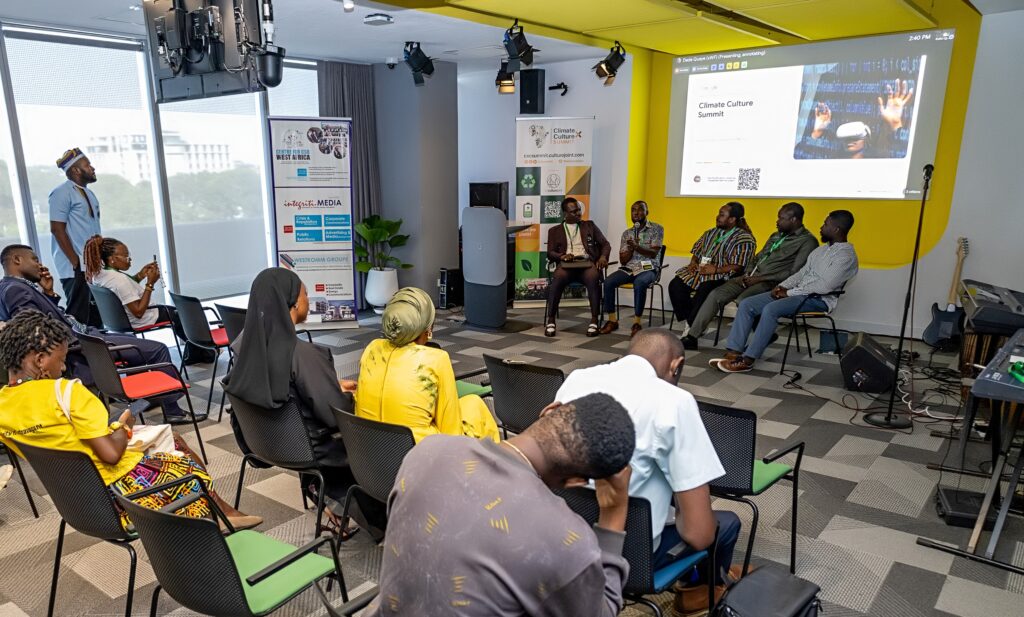

Stakeholders in Ghana's creative and events industry have been given a stark warning: stop hiding behind green rhetoric and start demonstrating genuine environmental responsibility. At the Climate x Culture Summit 2026, a panel discussion titled "Greening Ghana's Events and Creative Industry" brought together strategists, researchers and environmental advocates to examine how large-scale festivals and corporate events are contributing to Ghana's growing waste and pollution crisis — and what the industry can do differently.
Greenwashing in the spotlight
Peter Ansah, a strategist at Republic of Amusement who has worked on major events including Afro Nation and Global Citizen, did not mince his words. He acknowledged that the events industry has a habit of loudly proclaiming its environmental credentials without following through with concrete action — a practice widely known as greenwashing.
"Hi, we are green. Hi, we are green. Hi, we are green. Not all of it sometimes translates into action," he said, capturing the gap between marketing messaging and operational reality.
Mr Ansah conceded that some organisers are investing meaningfully in waste management, recycling, conservation and ecological restoration, but argued these efforts are rarely visible enough to audiences or embedded deeply enough into the overall event experience. He called for sustainability to become a core feature of event design, not an afterthought bolted on for good publicity.
Joseph Zotoo, Senior Business Development and Research Lead at the OR Foundation, offered a practical blueprint for how circular economy principles can be woven into festival operations without diminishing the audience experience. He pointed to the foundation's own Obroni Wawu Festival as a working model, where environmental cooperatives involved in beach clean-ups, Korle Lagoon restoration and waste management at the Kantamanto Market are directly integrated into festival logistics. Much of the infrastructure used at the event — chairs, canopies, tables and coverings — is made from upcycled materials. Mr Zotoo urged event organisers across the country to increase their patronage of locally produced circular economy goods, arguing it would stimulate investment in sustainable alternatives at scale.
What this means for Ghana
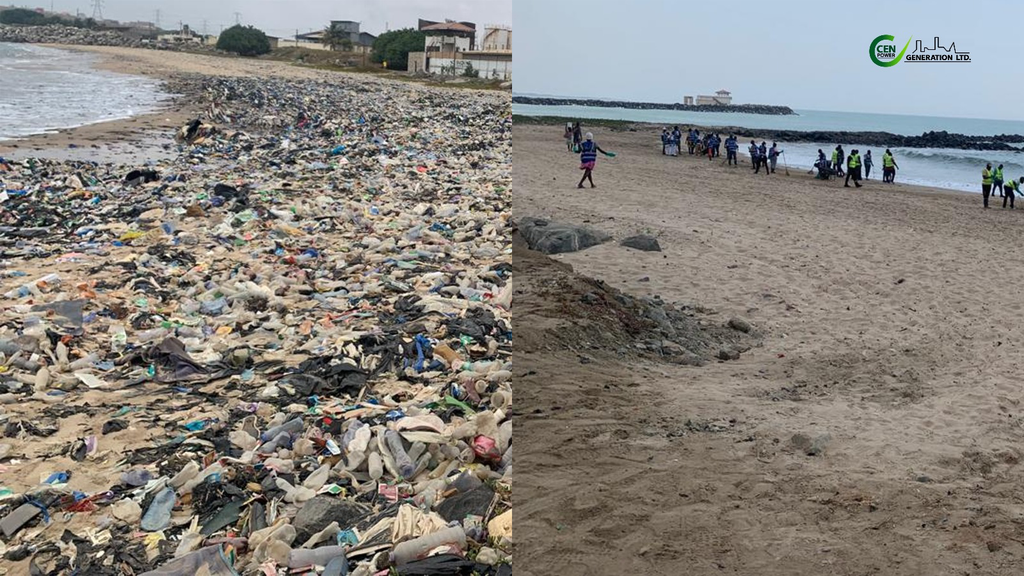
Ghana's events and entertainment sector has expanded rapidly in recent years, with the country hosting internationally recognised festivals that draw large domestic and diaspora audiences. That growth, however, comes with a significant environmental footprint — mountains of single-use plastic, food waste, and poorly managed post-event refuse that often ends up in already overstretched landfills or waterways.
Nii Noi Omaboe, Engagement Manager of the Ghana National Plastic Action Partnership, highlighted poor waste segregation at events as one of the biggest obstacles to making Ghana's recycling industry viable. When materials are mixed together indiscriminately, recycling companies cannot obtain the clean, separated inputs they need. He called on event organisers to actively discourage single-use plastic bottles by encouraging patrons to bring reusable containers, and urged the government to invest in waste segregation infrastructure across Ghanaian cities.
Energy researcher and economic policy analyst Benjamin Nsiah added an important dimension: sustainability is not simply a moral obligation — it is an economic opportunity. He encouraged creative organisations to collect baseline environmental data before events and compare it with post-event figures to measure real impact. Beyond logistics, he argued that musicians, filmmakers and digital content creators possess the reach and influence to shift public attitudes on climate, and could build new revenue streams by producing documentaries and short-form content around environmental themes.
"Creatives must see this climate action as a space to make money," he said.
The path forward
The consensus from the summit was clear: sustainability in Ghana's events industry must become institutional, not seasonal. That means embedding environmental policies into event contracts, holding corporate sponsors accountable for their environmental claims, and working with government to put the right infrastructure in place. With Ghana's creative economy continuing to grow in stature across Africa and the diaspora, the industry has both the responsibility and the platform to lead by example on climate action — provided it is willing to match its words with action.
- Panellists warned against greenwashing, urging events industry to demonstrate real environmental impact.
- The OR Foundation's Obroni Wawu Festival uses upcycled infrastructure and integrates waste cooperatives.
- Poor waste segregation at events is hampering Ghana's recycling industry, experts warned.
Source: MyJoyOnline

Comments (0)
Be the first to comment.