
Ghana's Styrofoam ban kicks off in 2027 – EPA urges return to plantain leaves and sustainable packaging
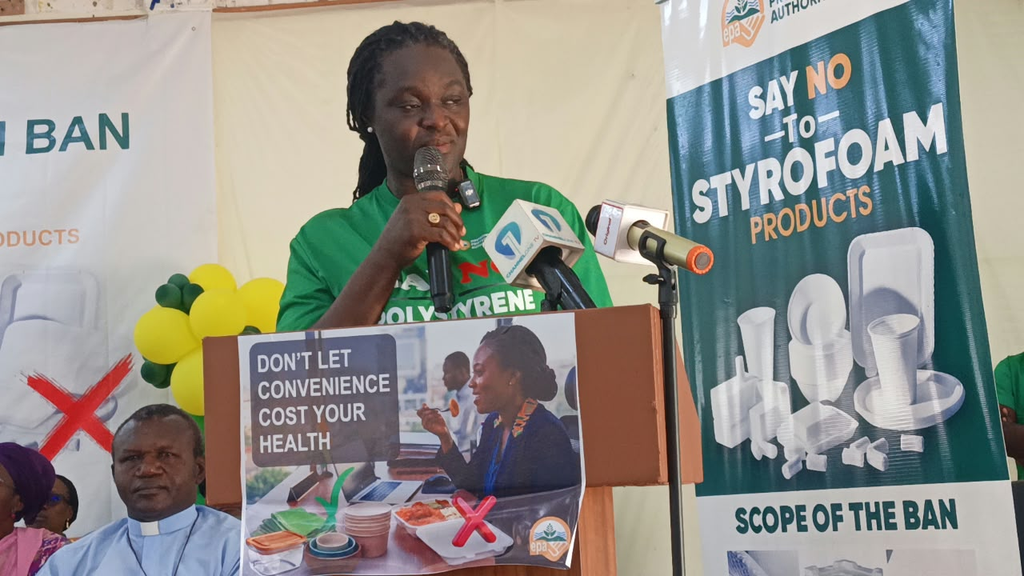

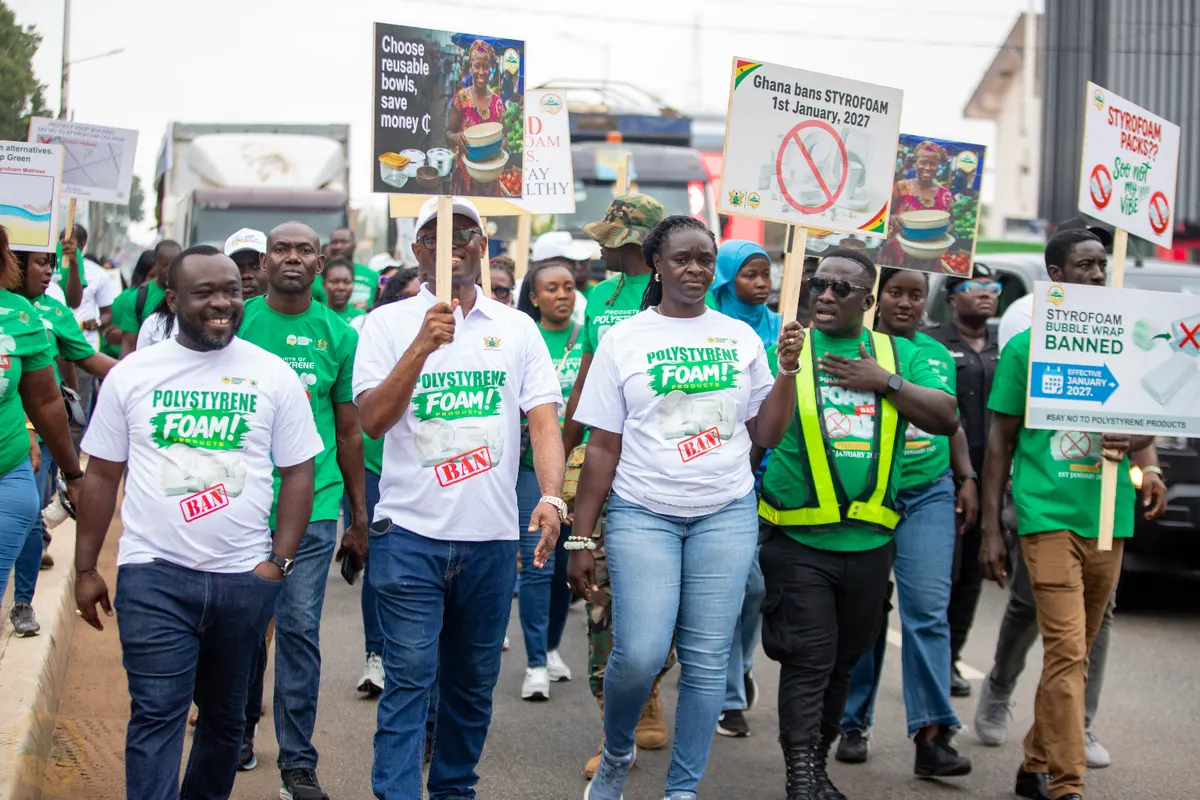
Ghana's Environmental Protection Authority is intensifying its campaign to phase out Styrofoam food packaging before a nationwide ban takes effect on January 1, 2027. During a stakeholder engagement in Damongo, Savannah Region on Monday, EPA Chief Executive Prof. Nana Ama Browne Klutse called on households, vendors, schools and businesses to begin transitioning immediately to environmentally friendly alternatives, stressing that early adoption would ease the shift when enforcement begins.
The CEO highlighted traditional and modern sustainable options available to Ghanaians, including plantain leaves for food wrapping, biodegradable containers, reusable bowls and paper packaging. She emphasised that the government has provided sufficient time for public education and consultations, and the country must now move towards practical implementation to reduce environmental and health risks linked to Styrofoam use.
Why it matters for Ghana
The Styrofoam ban represents a significant environmental and public health initiative for Ghana. Styrofoam takeaway containers are a major source of litter in Ghanaian communities – they clog gutters, obstruct drains and contribute to flooding, particularly in urban and regional centres. When burned improperly, Styrofoam produces harmful smoke that poses respiratory risks, and certain containers used for hot foods may leach chemicals into meals.
The Savannah Region, Ghana's largest by land area and a major agricultural producer, faces particular pressure from improper waste disposal. The region is also home to Mole National Park, a leading wildlife tourism destination where environmental cleanliness directly affects visitor experience and wildlife protection. The ban therefore carries economic implications for farming, tourism and food production across northern Ghana.
Beyond the Savannah Region, the ban will affect every trader, restaurant owner and household nationwide. Businesses that produce, import or sell prohibited Styrofoam products after the deadline face enforcement action from the EPA, Ghana Police Service, customs and local assemblies. This creates both a compliance challenge and an opportunity for entrepreneurs to develop local alternatives.
What enforcement will look like
The Savannah Regional Minister, Salisu Be-Awuribe, confirmed that the region's seven Metropolitan, Municipal and District Assemblies will enforce the ban from January 1, 2027. Production, importation, distribution, sale and use of prohibited Styrofoam products will no longer be tolerated in areas including Damongo, Bole, Sawla, Buipe, Salaga and Daboya. The Regional Coordinating Council, district assemblies, EPA officials and police will coordinate enforcement at all levels.
Prof. Browne Klutse stressed that the campaign is a national responsibility requiring involvement from leaders to individual community members. She urged stakeholders to carry the message into homes, markets, workplaces and communities to ensure residents understand both the ban and the importance of adopting sustainable practices.
The EPA's Regional Director, Abu Iddrisu, emphasised that environmental protection is critical to the Savannah Region's role as a food basket and tourism hub. As demand for alternatives grows, packaging suppliers are expected to develop local capacity, potentially creating business opportunities for young people in producing and distributing eco-friendly packaging solutions.
Source: MyJoyOnline




Comments (0)
Be the first to comment.