
Cenpower removes 600 tonnes of waste from Sega Beach in fourth annual cleanup drive
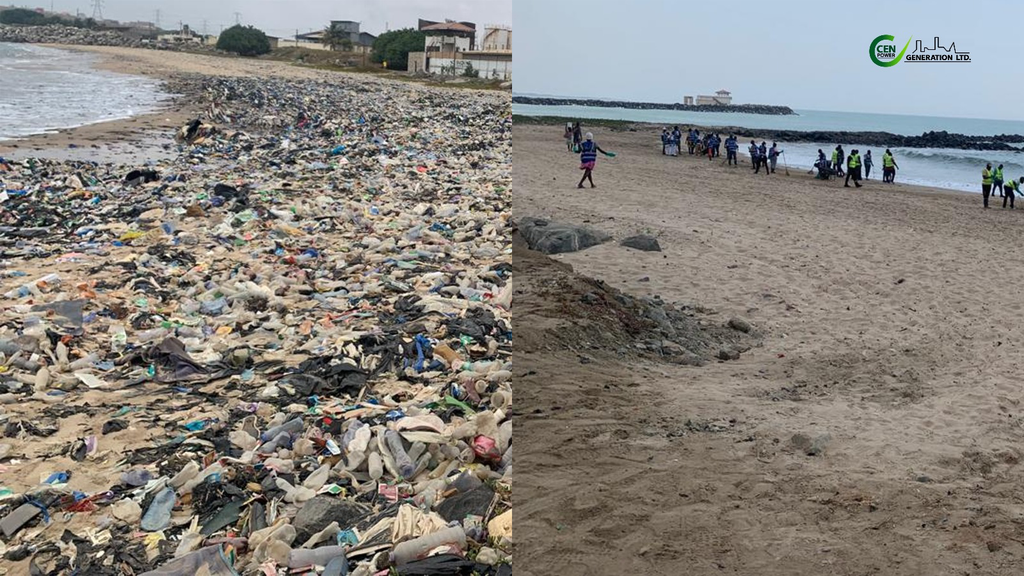

Cenpower Generation Ltd has removed 600 tonnes of waste from Sega Beach as part of its fourth annual KIPP Clean Project, underscoring the persistent challenge of shoreline pollution in Ghana's industrial coastal areas. The cleanup exercise, which brought together company employees, residents from Kpone, municipal authorities and waste management partners, demonstrates the scale of environmental degradation facing Tema's beaches.
The initiative, launched in September 2023 by the operator of the Kpone Independent Power Plant, has evolved into a structured effort to combat marine pollution and promote sustainable waste management practices in the community. This year's cleanup involved collaboration between Cenpower Operations (Cenops) and Excelior Solution Services to handle shoreline cleaning, waste collection, sorting and safe disposal operations.
Corporate responsibility meets community action
Cenpower's Chief Executive Theophilus Sackey emphasised that environmental protection cannot be achieved by businesses operating in isolation. He highlighted a critical concern: waste dumped into the ocean frequently washes back onto beaches, creating cyclical pollution problems for coastal communities. Rather than viewing cleanup exercises as isolated events, Sackey called for them to be paired with fundamental changes in waste disposal behaviour and sustained community engagement.
The Kpone Katamanso Municipal Assembly, represented by Freeman George, Director of Environmental Services, praised Cenpower's commitment but stressed that annual cleanups alone cannot solve the problem. Speaking on behalf of the Municipal Chief Executive, George urged businesses, institutions and residents to recognise that environmental cleanliness must become a daily responsibility rather than an activity confined to organised exercises.
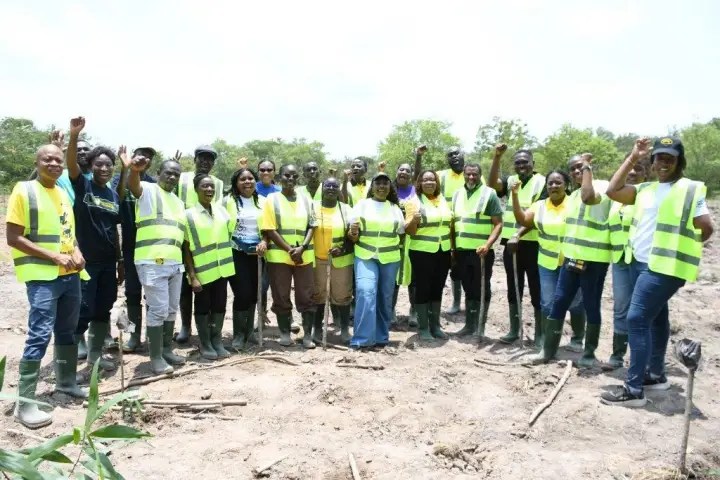
Cenpower employees, guided by Plant Manager Darlington Ahuble, viewed their participation as reinforcing personal environmental accountability. Ahuble noted that environmental compliance and cleanliness form integral parts of the company's operational mandate, and that sustained effort is needed beyond annual initiatives. Elizabeth Akin-Taylor, Director of Legal and Corporate Affairs, called for deeper community involvement, arguing that local ownership of environmental initiatives encourages residents to prevent littering and protect their own shorelines.
Why it matters for Ghana
Beach pollution along Ghana's industrial coastline poses significant threats to marine biodiversity, fisheries and tourism revenue. The Tema area, home to Ghana's largest port and industrial zone, faces acute pollution challenges from manufacturing waste, discarded plastics and inadequate disposal infrastructure. Initiatives like Cenpower's cleanup highlight corporate environmental responsibility but also expose the gap between episodic cleanup efforts and systemic waste management solutions.
For coastal communities, recurring waste accumulation threatens livelihoods dependent on fishing and beach-based tourism. The project aligns with the United Nations Sustainable Development Goal 14 on ocean conservation, yet its success ultimately depends on whether companies, local authorities and residents translate cleanup exercises into lasting behavioural change. Ghana's growing focus on environmental sustainability—particularly concerning marine protection—makes corporate-community partnerships on this scale increasingly relevant to national development goals.
Experts and community leaders agree that the real test of initiatives like KIPP Clean is whether they catalyse institutional reforms in waste management. Without improved disposal infrastructure, enforcement of environmental regulations and public education, annual cleanups risk becoming a public relations exercise rather than a solution to the underlying problem.
Source: MyJoyOnline



Comments (0)
Be the first to comment.