Ecobank launches nationwide greening drive with 300 trees planted at Tamale Islamic SHS

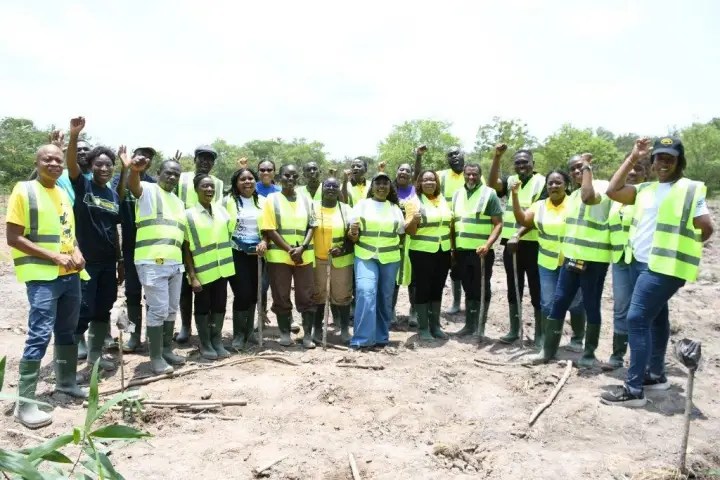
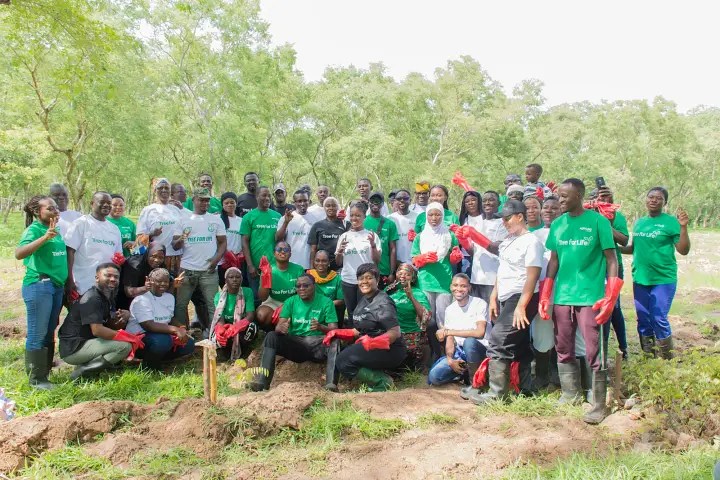
Ecobank Ghana has joined the global push to combat climate change by planting 300 tree seedlings at the Islamic Senior High School in Tamale, marking its contribution to this year's World Environment Day celebrations. The initiative signals the financial institution's deepening commitment to environmental stewardship across Ghana, with plans to extend the tree-planting campaign to schools, hospitals and churches nationwide.
The exercise at the Tamale school saw representatives from Ecobank's regional and branch leadership work alongside students and staff to establish the seedlings on the school grounds. Speaking during the exercise, officials emphasised that the bank's environmental agenda extends well beyond symbolic tree-planting activities.
A broader sustainability vision
According to Mr Issifu Adams, Northern Regional Manager for Ecobank Ghana, the bank is integrating environmental responsibility across multiple business areas. Beyond reforestation efforts, Ecobank's sustainability strategy encompasses ecosystem restoration projects, financing for renewable energy initiatives, and a shift towards environmentally friendly digital banking solutions that reduce paper consumption and carbon footprints.
This multifaceted approach reflects growing pressure on Ghana's financial sector to align corporate operations with climate action goals. As Ghana grapples with deforestation, water scarcity and rising temperatures, private sector participation in environmental conservation has become increasingly important to achieving the nation's climate commitments under the Paris Agreement.
For the school community, the initiative carried immediate practical benefits. Headmaster Alhaji Issifu Mohammed acknowledged the contribution to creating a greener campus, while the Agriculture Department head noted that the tree-planting exercise provided valuable hands-on lessons in climate action and sustainable environmental management—subjects that resonate with Ghana's education curriculum focus on climate literacy.
Why it matters for Ghana
Ghana faces significant environmental challenges, particularly in the Northern Region where Tamale is located. Deforestation driven by illegal logging, charcoal production and agricultural expansion has stripped vast areas of forest cover, exacerbating soil erosion and reducing water retention. Tree-planting campaigns by major institutions help address these pressures whilst raising awareness among young people about their role in environmental stewardship.
The Tamale Metropolitan Forestry Commission's involvement underscores the collaborative approach needed to make reforestation efforts sustainable. Ms Rahinatu Musah called on the school community to ensure the planted seedlings survive beyond the initial planting phase—a critical point, as many tree-planting initiatives in Ghana suffer from poor aftercare and low survival rates.
For Ecobank, the campaign also serves a strategic purpose: demonstrating corporate responsibility to stakeholders whilst building brand loyalty among young Ghanaians increasingly conscious of environmental issues. As climate concerns reshape consumer preferences and investment decisions, banks that visibly commit to sustainability may gain competitive advantage in attracting conscious customers and talent.
Next steps
The success of Ecobank's nationwide tree-planting campaign will depend on sustained commitment and community participation. Students at Tamale Islamic SHS have been called upon to view themselves as custodians of Ghana's environmental future—a framing that places responsibility squarely on the younger generation to protect forests and natural resources for decades to come. Whether this campaign translates into measurable forest cover increases across Ghana will require monitoring and long-term follow-up from both Ecobank and partner organisations like the Forestry Commission.
Source: The Ghanaian Times


Comments (0)
Be the first to comment.