
Ghana's economy accelerates to 6.2% growth in first half of 2026, but ICT boom masks agricultural struggles
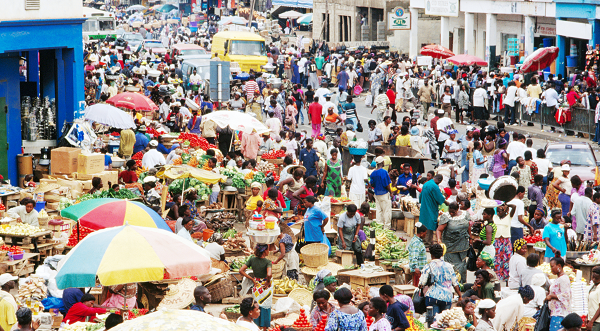

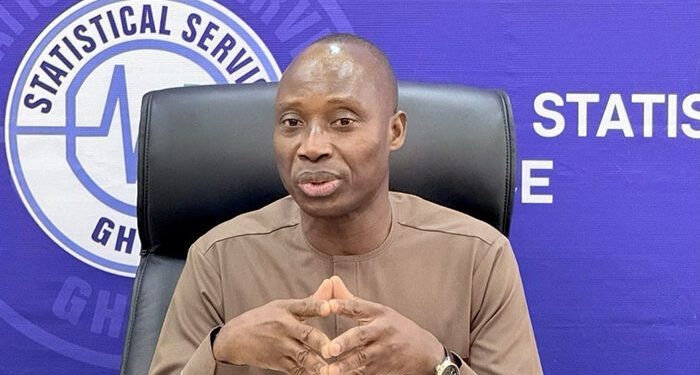
Ghana's economy maintained a solid 6.2% growth rate in the first half of 2026, according to the latest data from the Ghana Statistical Service (GSS), signalling continued economic momentum despite sectoral imbalances. The second quarter alone expanded by 6.0%, slightly below the 6.1% recorded in the same quarter of 2025, but the overall first-half performance underscores resilience in key growth drivers.
The headline figures mask a deeply uneven recovery. Digital innovation and the services sector have emerged as the economy's primary engines, accounting for the vast majority of growth gains, whilst traditional sectors like agriculture and fishing face pronounced headwinds. This divergence reflects broader structural shifts in Ghana's economy and poses critical questions about inclusive growth and rural livelihoods.
The ICT revolution is reshaping Ghana's economy
The standout performer remains the information and communications technology sector, which recorded explosive growth of 30.9% in Q2 2026. ICT alone contributed 41.5% of total GDP growth during the quarter, underscoring the sector's outsized importance to overall economic expansion. The broader services sector, which accounts for 57.6% of GDP growth, expanded by 8.0%, reflecting strong demand for financial services, telecommunications, and professional activities.
This trajectory reflects Ghana's gradual transition towards a digital and services-based economy. Increased internet penetration, rising smartphone adoption, and growing fintech activity have fuelled rapid ICT expansion. However, economists caution that overreliance on a single sector—however dynamic—carries risks if broader productive capacity does not keep pace.
Agriculture and fishing in crisis
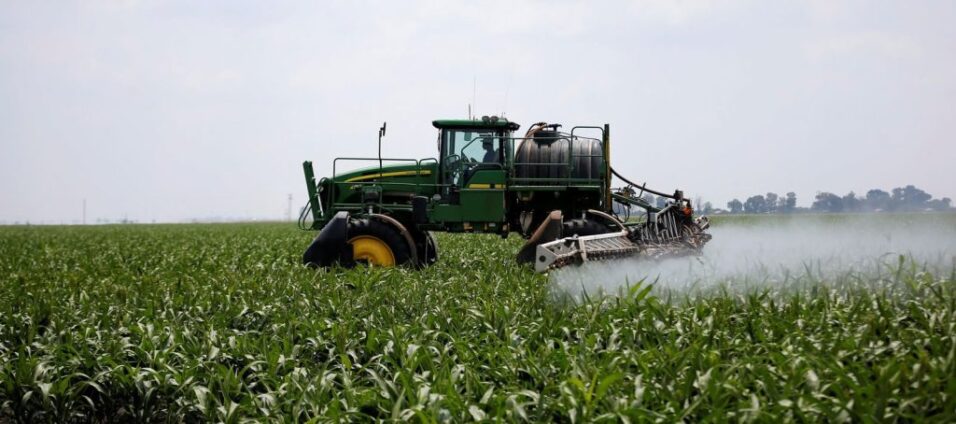
The weakness in agriculture reveals troubling vulnerabilities. The sector grew just 3.9% in Q2, the slowest among major economic segments. More alarming is the 24.7% contraction in fishing activity, signalling acute challenges for one of Ghana's most important traditional sectors. Climate variability, overfishing, inadequate investment in modernisation, and international competition have all contributed to fishing's steep decline.
For a nation where agriculture and fisheries remain critical to food security and rural employment, this trend demands urgent policy attention. Over two million Ghanaians depend directly on fishing and farming for their livelihoods, and accelerating decline threatens poverty and migration pressures.
Oil and investment bolster industrial sector
The industrial sector grew 4.3% in Q2, supported substantially by an impressive 21.4% surge in oil and gas production. This rebound reflects improved operational efficiency and possibly higher commodity prices. Investment surged 53.0% during the period, whilst domestic demand rose 11.2%, suggesting growing consumer and business confidence. On a seasonally adjusted quarter-on-quarter basis, real GDP expanded 1.4%.
Why it matters for Ghana
These figures reveal an economy in transition but not yet fully transformed. Non-oil growth of 5.9% in H1 2026 demonstrates that Ghana is not solely dependent on petroleum revenues, yet the concentration of gains in ICT and services raises questions about equitable development. The government faces a critical policy challenge: diversifying growth to benefit rural communities and smaller enterprises whilst maintaining momentum in high-value sectors.
A critical concern is employment. Rapid ICT growth typically creates fewer jobs per unit of output than labour-intensive sectors like agriculture. Without targeted investment in skills training and agricultural modernisation, accelerating sectoral divergence could widen inequality and regional disparities. The impressive aggregate figures risk masking stagnation for ordinary Ghanaians outside the urban services economy.
The data also underscores Ghana's vulnerability to commodity price swings. Whilst oil's strong performance is welcome, any future downturn would expose the fragility of growth concentrated in volatile sectors. Building a broader, more resilient productive base remains essential for sustainable development and shared prosperity.
Source: MyJoyOnline


-1-752x622.webp)
Comments (0)
Be the first to comment.