
Ghana's Economic Growth Hollow Without Broad-Based Development, Expert Warns


Ghana's headline economic growth figures are masking a troubling reality: the expansion is concentrated in a narrow segment of the economy dominated by illegal mining activities, according to recent analysis by economist Ahiagbah.
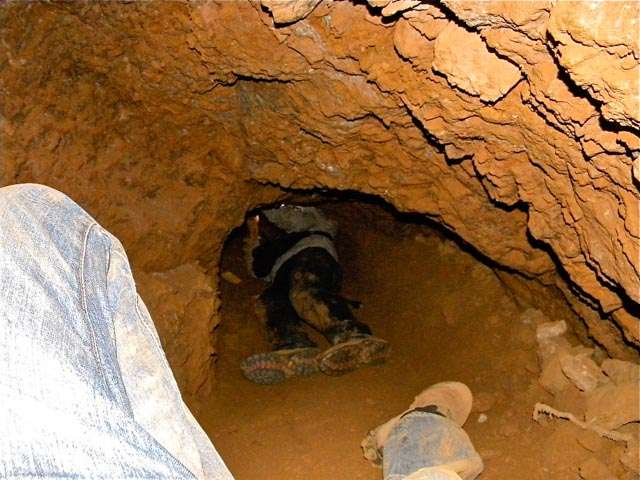
The warning highlights a critical weakness in how Ghana's economic performance is being measured and reported. While official statistics may show positive growth rates, the underlying structure reveals an economy heavily dependent on artisanal and small-scale mining—commonly known as galamsey—rather than diversified, sustainable sectors that could benefit the broader population.
The Galamsey Problem
Illegal mining operations have become a significant economic force in Ghana, particularly in regions like the Ashanti, Eastern, and Western regions. These activities generate income and contribute to GDP figures, but come at enormous environmental and social costs. Water bodies have been contaminated, agricultural land degraded, and communities disrupted—costs not reflected in traditional economic measurements.
The concentration of growth in this sector means most Ghanaians are excluded from participating in meaningful economic expansion. Formal employment opportunities remain limited, wages stagnate, and the benefits of growth fail to reach ordinary citizens and legitimate small businesses struggling to compete with unregulated operations.
What This Means for Ghana's Future
An economy that grows primarily through galamsey is fundamentally unstable. Such growth is vulnerable to international commodity price fluctuations, regulatory crackdowns, and environmental catastrophes. It also fails to build the institutional and human capital necessary for long-term development.
For sustained improvement in living standards, Ghana needs growth across multiple sectors—agriculture, manufacturing, services, tourism, and technology. This requires investment in education, infrastructure, and formal business support. A healthy economy creates jobs across different regions and skill levels, not just extraction-based income for a select few.
The Broader Context
Ahiagbah's assessment aligns with concerns raised by development economists and international observers. Ghana's dependency on mineral exports has historically created boom-bust cycles. The current galamsey-driven growth threatens to deepen this pattern while simultaneously destroying the natural resource base that could support genuine development.
Policymakers face pressure to tackle illegal mining seriously—not just through enforcement, but by creating viable economic alternatives in affected regions. Without diversification and broader economic participation, Ghana risks squandering growth opportunities and deepening inequality.
The challenge ahead is to transform headline growth into genuine, inclusive development that strengthens Ghana's economy and improves conditions for all citizens.
Source: 3News


Comments (0)
Be the first to comment.