Ghana's Digital Revolution: When Every Phone Becomes a Newsroom
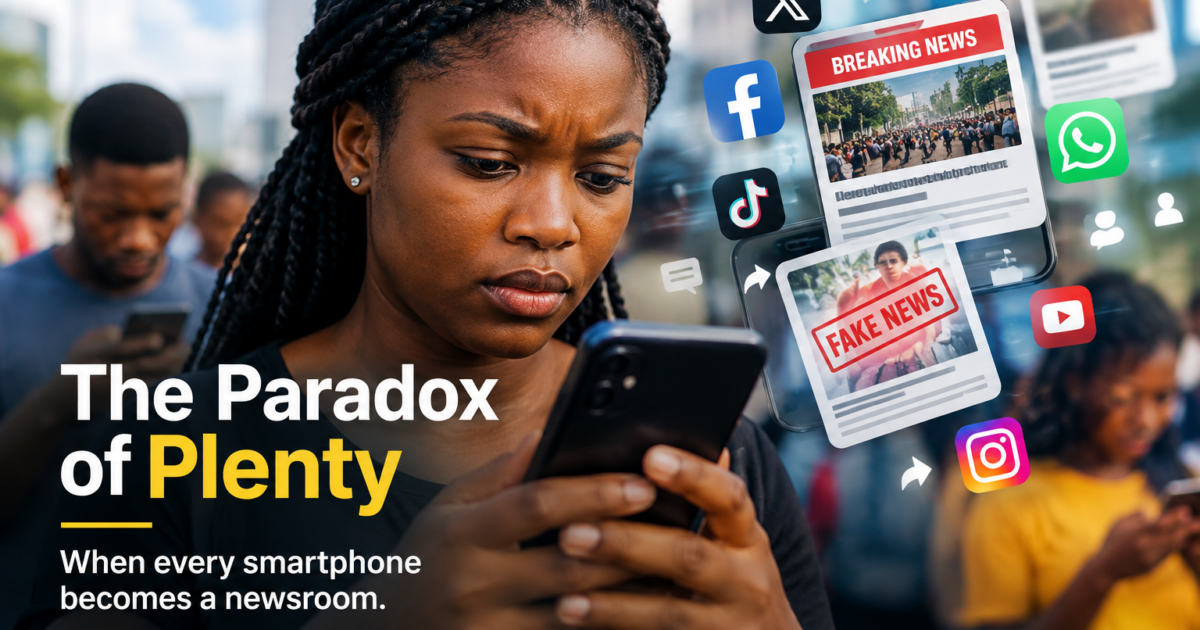
The smartphone newsroom is reshaping Ghana's information landscape
Ghana's media ecosystem has undergone a seismic shift. The traditional gatekeepers of news—television studios, radio stations, printing presses and newspaper editors—no longer hold a monopoly on public storytelling. Today, an ordinary Ghanaian with a smartphone, an internet connection and courage can bring national attention to injustice within minutes, sometimes reaching the President himself.
This democratisation of information has profound implications for a country with a constitutionally protected free press. Where journalists once controlled what stories reached the public, digital platforms now enable direct communication between citizens and their audience. A Facebook Live broadcast can expose a problem. A TikTok video can highlight an abandoned public project. A YouTube interview can amplify a struggling citizen's voice. Importantly, these new voices often arrive before mainstream media, covering stories in communities where traditional reporters rarely venture.
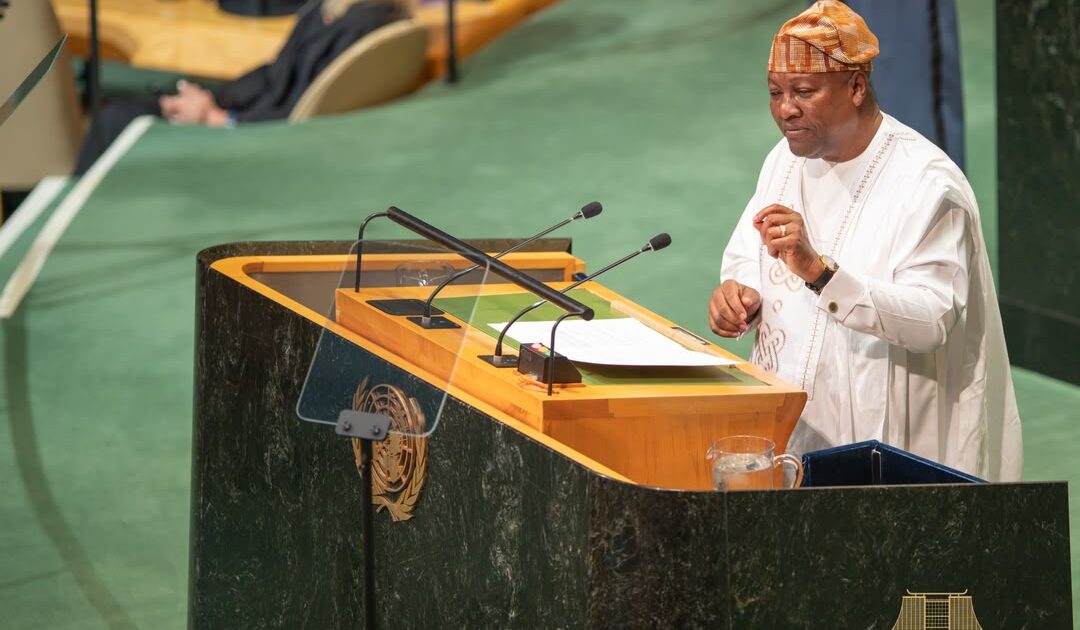
The speed and reach of digital storytelling have forced even the highest offices to respond. In April 2026, President John Dramani Mahama publicly addressed social-media claims about tricycles distributed under the Free Primary Healthcare Programme, demonstrating that digital platforms have become spaces where public officials must answer to citizens directly.
Opportunity and responsibility in the age of citizen journalism
This shift presents genuine opportunity. Content creators are giving voice to previously marginalised communities, documenting alleged injustices and bringing neglected public issues to national attention. They are helping citizens who felt nobody was listening find their platforms.
However, democratised communication carries obligations that traditional journalism has long recognised. The same freedom enabling exposure of wrongdoing must require accuracy, fairness and care with facts and reputations. Not every viral video constitutes journalism. Not every accusation is factual. Not every disagreement with a public official represents persecution.
Ghana's government, like any administration, can legitimately distinguish between legitimate criticism and personal abuse. Calling out alleged policy failures differs fundamentally from spreading deliberate falsehoods, making threats or directing degrading attacks at officials and their families. The challenge lies in protecting both free expression and individual dignity without creating an excuse for abuse or justifying government intimidation.
Why it matters for Ghana's democracy
Ghana has long been recognised by international observers, including Reporters Without Borders, as having a dynamic and diverse media environment underpinned by constitutional protections for press freedom. The rise of digital voices strengthens rather than threatens this democratic foundation—provided that foundation remains robust.
The path forward requires maturity from all parties. When content creators make serious public-interest allegations, evidence should be examined carefully. When governments believe laws have been broken, due process must apply equally. When citizens raise legitimate concerns, officials should respond substantively. And when accusations of wrongdoing are made, courts should determine matters fairly rather than political pressure settling disputes.
The paradox of plenty that digital platforms present is this: freedom of expression is simultaneously freedom of responsibility. Ghana's new generation of digital voices has genuine power to hold authorities accountable and amplify overlooked stories. That power demands not restriction, but rather the rigorous application of evidence, accountability and the rule of law. The strength of Ghanaian democracy will ultimately depend less on who holds the microphone and more on whether everyone, from citizen journalists to government officials, respects the distinction between criticism and abuse, and between free speech and irresponsible speech.
Source: MyJoyOnline


Comments (0)
Be the first to comment.