
Bagbin Tells Ghanaian Voters: Reject Propaganda, Demand Real Policy from Politicians
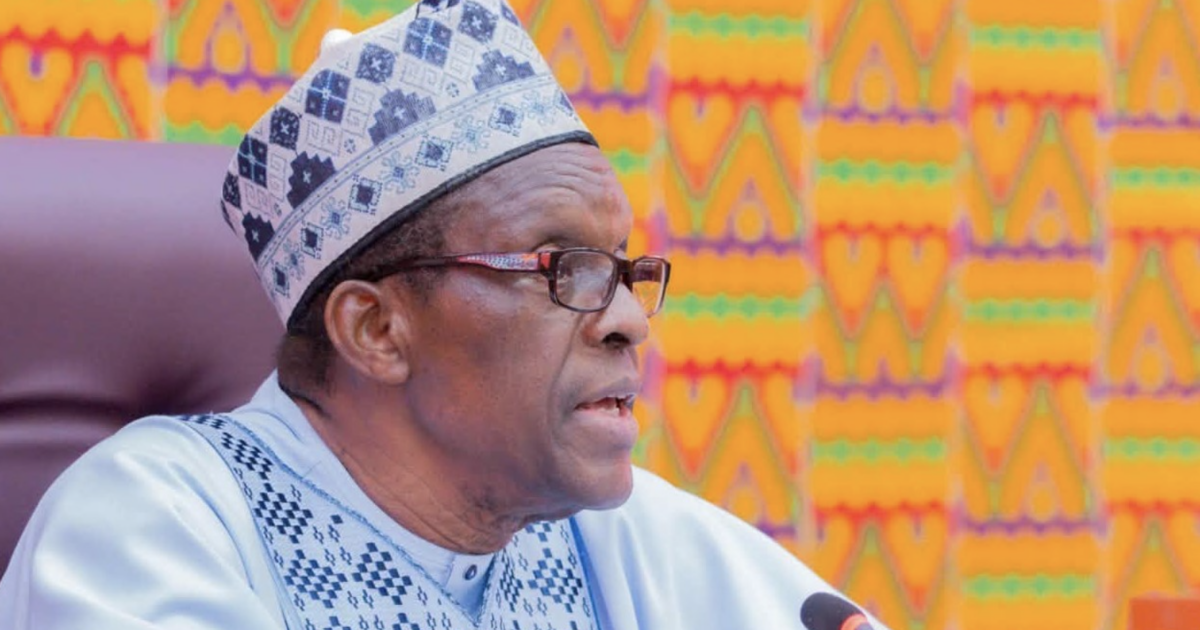

Speaker of Parliament Alban Sumana Kingsford Bagbin has issued a strong call to Ghanaian voters to sharpen their critical thinking when engaging with political campaigns, warning that propaganda, personality-driven messaging and emotionally charged slogans too often crowd out meaningful policy debate in the country's electoral landscape.
Bagbin made the remarks — delivered on his behalf — at the launch of Voices for the Ballot: Electoral Communication in Ghana, a new book by strategic communication scholar Dr Nana Sifa Twum that examines how political messaging shapes voter behaviour and Ghana's broader electoral processes.
Speaker's key message: Question everything
At the heart of Bagbin's address was a direct appeal to citizens, and particularly young Ghanaians, not to hand over their judgement to political actors without scrutiny. He stressed that voters must move beyond the surface level of campaign entertainment and interrogate whether promises are grounded in realistic, deliverable policy.
"Do not surrender your judgement to political propaganda… examine the issues, compare the alternatives, ask questions and exercise your constitutional rights peacefully and responsibly," he said.
The Speaker noted that Ghanaian political discourse is frequently dominated by slogans and personality cults rather than substantive debate on governance, public services or economic management. He argued that responsible political communication must help citizens draw a clear line between a campaign promise and an actual policy, and between an allegation and a verified fact.
Bagbin also raised the alarm over the growing influence of social media on elections, warning that the rapid spread of misinformation poses a real threat to democratic decision-making. He called on media practitioners to uphold professional standards, remain accurate in their reporting and resist becoming instruments of political manipulation.
"Our democracy needs a media that is independent enough to scrutinise power, professional enough to distinguish between facts and fiction, and responsible enough to recognise the consequences of its reporting," he said.
Why it matters for Ghana
Ghana is widely regarded as one of West Africa's most stable democracies, having conducted successive peaceful elections since the return to constitutional rule in 1992. Yet concerns about the quality of political communication — including the use of inflammatory rhetoric, vote-buying, tribal appeals and outright disinformation — have persisted across election cycles.
The 2024 general elections brought these concerns into fresh focus, with social media platforms serving as battlegrounds for competing narratives, not all of them accurate. In that context, Bagbin's remarks carry particular weight. As Speaker of Parliament and one of Ghana's most senior constitutional office holders, his call for a more discerning electorate reinforces growing civil society arguments that democratic maturity depends not just on holding elections, but on the quality of information voters act upon.
Informed voters, he stressed, are central to accountability — and accountability is what transforms an election from a ritual into genuine democratic governance. He also encouraged academics and researchers to probe weaknesses in Ghana's democratic systems and recommend practical reforms, while urging greater collaboration between journalists, electoral bodies and universities to improve media literacy across the country.
The book and its broader significance
Dr Twum's Voices for the Ballot offers a timely academic contribution to these debates. The publication analyses the communication strategies of political parties, candidates, the Electoral Commission, civil society organisations and the media across different phases of the electoral cycle — before, during and after elections.
At the launch, Dr Twum argued that electoral communication should serve a higher purpose than simply helping politicians win votes. He said it must deepen democracy by fostering a citizenry that understands its rights, responsibilities and role in national development.
- The book is expected to be a resource for researchers, journalists, political communicators and civil society actors working on democratic governance in Ghana.
- Bagbin called for tighter cooperation between academia, the media and electoral institutions to raise standards of political engagement.
- His address underscored that building a stronger Ghanaian democracy requires voters who understand not just who to vote for, but why — and how to hold winners accountable afterwards.
For a country that takes pride in its democratic credentials, the message from Parliament's top officer is a timely reminder that the strength of Ghana's democracy ultimately lies with its citizens.
Source: MyJoyOnline



Comments (0)
Be the first to comment.