
Consensus before drafting: CDD-Ghana warns CRIC not to rush Ghana's constitutional reform bills


Ghana's constitutional reform process is at a critical crossroads, and a senior policy expert is sounding a clear warning: the body tasked with translating review recommendations into law must first build genuine consensus, or risk producing amendments that lack the public legitimacy they need to endure.
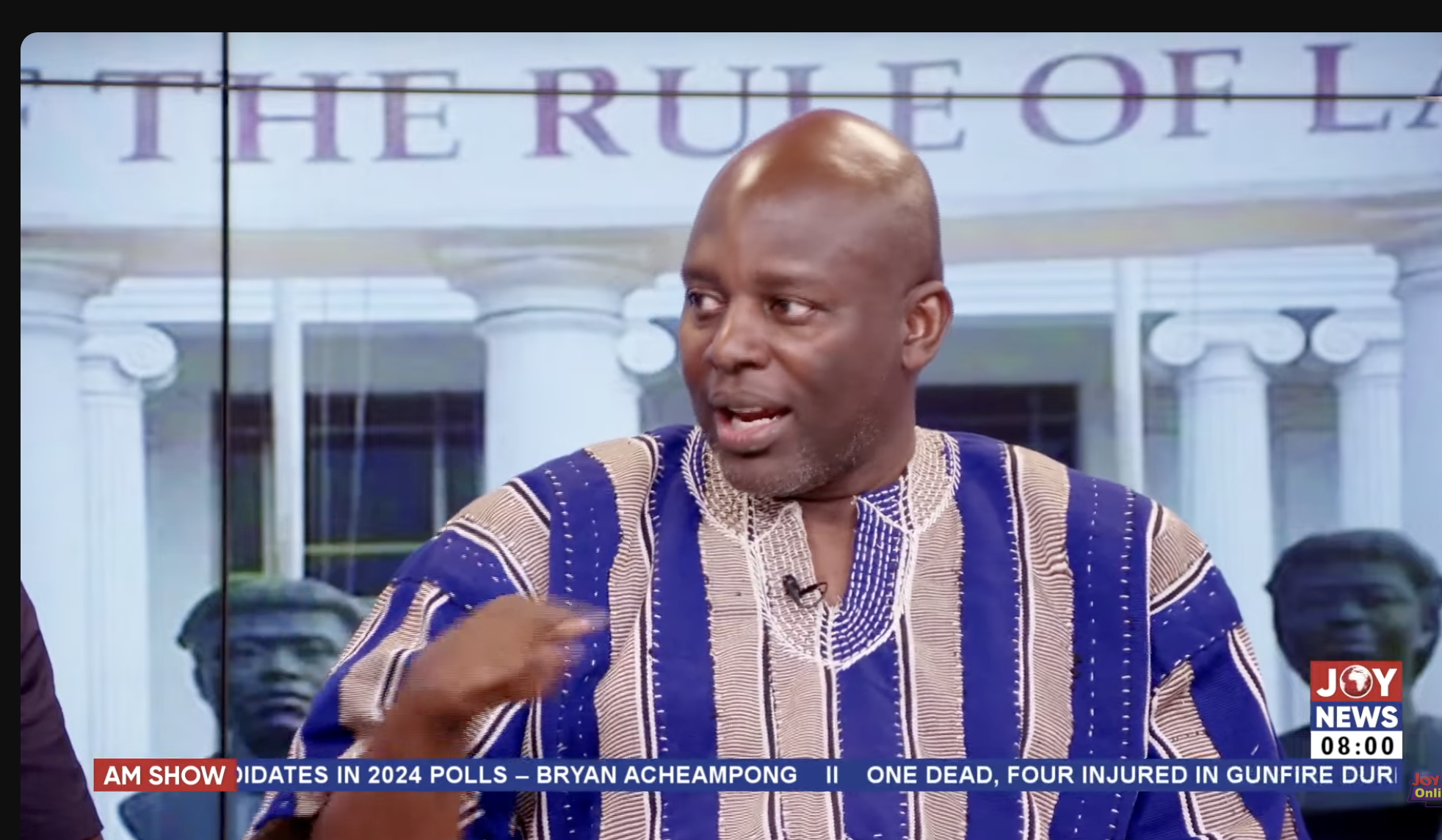
Dr Kojo Pumpuni Asante, Director of Policy Engagement and Partnerships at the Ghana Centre for Democratic Development (CDD-Ghana), made the call on JoyNews' The Law, urging the Constitution Review Implementation Committee (CRIC) to establish a structured mechanism for resolving disagreements among stakeholders before any amendment bills are drafted.
"Regardless of what the mandate is, what the CRIC must do is to ensure that where there are disagreements or counter-proposals, there is a mechanism to build consensus before these amendment bills are drafted, because this is where we build the legitimacy of the process," Dr Asante said.
What CRIC is supposed to do — and why there is confusion
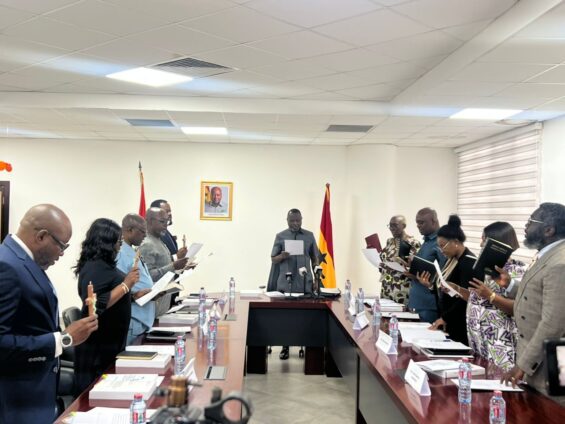
CRIC was established to convert agreed proposals from Ghana's constitutional review process into concrete legislative drafts — specifically two separate amendment bills: one covering non-entrenched provisions of the 1992 Constitution, and another covering entrenched provisions, which require a higher threshold of approval to change.
However, Dr Asante pointed to a significant lack of clarity surrounding the committee's actual mandate. According to him, CRIC's appointment letter appears to instruct the committee to work primarily from the government's existing position paper. Yet a separate communication from the Attorney-General indicates that CRIC should also consider the report produced by the Constitutional Review Committee chaired by Professor H. Kwasi Prempeh.
"If you look at the communication that came from the Attorney-General, it says that the mandate of the CRIC is to look at the government position paper alongside the Professor Prempeh Constitutional Review Committee's report. So, already there is a conflict there as to exactly what it is," he said.
This ambiguity, Dr Asante stressed, should not become an excuse for CRIC to sidestep broader stakeholder engagement. Whatever interpretation of its mandate the committee adopts, he argued, the obligation to listen and to resolve disagreements before drafting remains non-negotiable.
Why it matters for Ghana
Ghana's 1992 Constitution has served as the backbone of the country's democratic order for over three decades. While it has been widely praised for helping to stabilise multiparty democracy, calls for reform have grown steadily, covering areas ranging from the structure of government and the electoral system to human rights protections and the independence of key state institutions.
A constitutional amendment process that is seen as rushed, exclusionary or politically motivated risks producing reforms that are contested from the outset — potentially fuelling legal challenges, public scepticism and political polarisation. By contrast, a process anchored in genuine consultation is far more likely to produce durable changes that Ghanaians across partisan lines can accept.
CDD-Ghana and other civil society organisations have already petitioned President John Mahama directly, requesting that the Presidency issue clearer direction to CRIC if the committee feels its appointment letter is too restrictive to permit wider engagement.
"We have petitioned the President that if the CRIC feels constrained by their appointment letters, then the Presidency should direct them accordingly to make sure that they engage all the various stakeholders who have put forward counter-proposals," Dr Asante said.
The path forward
For the constitutional reform process to carry real weight, observers say several things must happen in the near term:
- The Presidency must clarify CRIC's precise mandate to eliminate conflicting instructions from different arms of government.
- CRIC must open formal channels for stakeholders — including civil society, political parties and professional bodies — to table counter-proposals and have them genuinely considered.
- Any disagreements between the government's position paper and the Prempeh committee's recommendations must be transparently worked through before bills are presented to Parliament.
Dr Asante's message was ultimately one of caution over speed. Getting Ghana's constitutional reform right, he implied, matters far more than getting it done quickly. A rushed process that bypasses consensus could undermine not just the amendments themselves, but public confidence in the broader democratic institutions they are meant to strengthen.
Source: MyJoyOnline


Comments (0)
Be the first to comment.