
NDC Faces Enforcement Gap as Party Struggles to Punish Electoral Misconduct
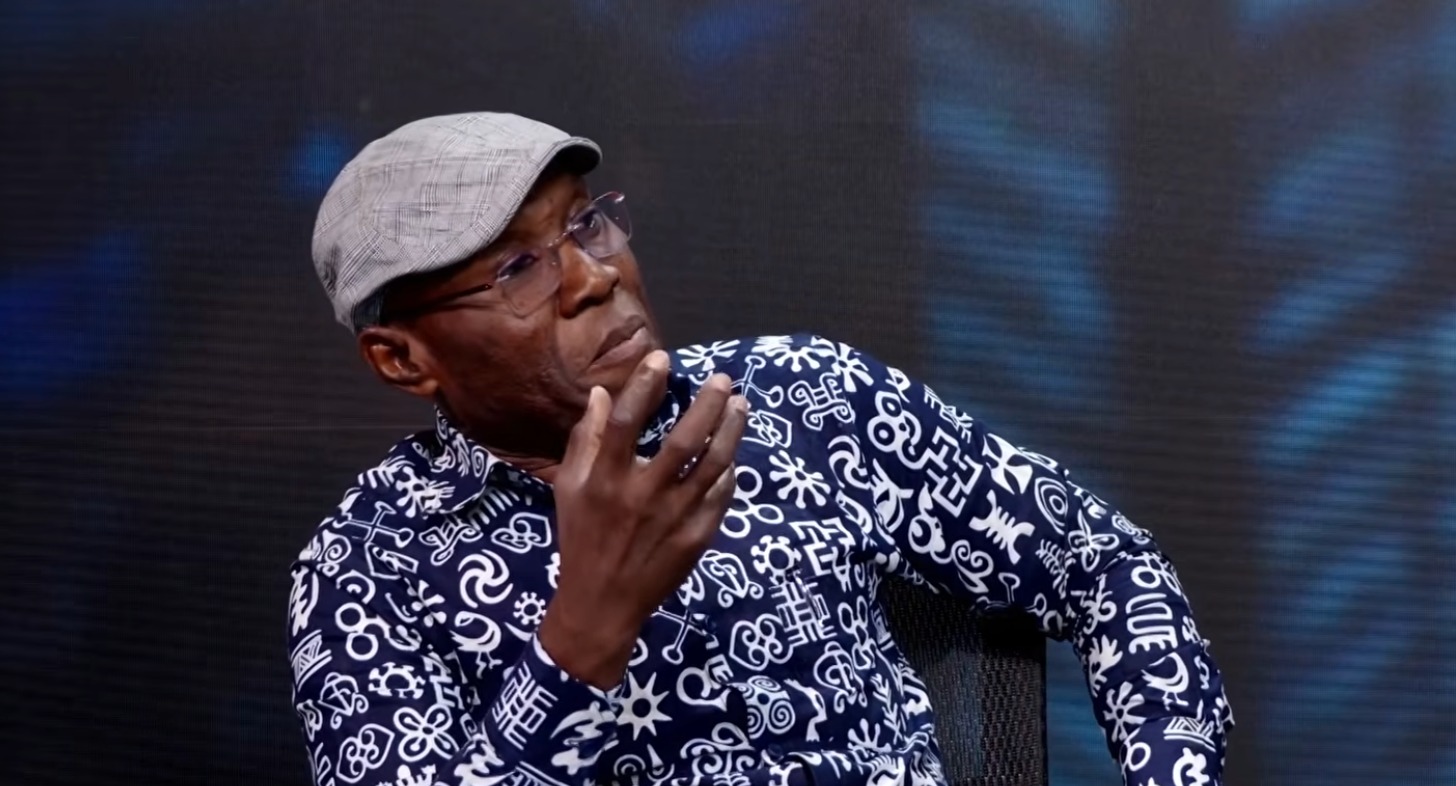

Ghana's National Democratic Congress (NDC) is confronting a significant organisational weakness: it has no clear constitutional mechanism to punish members caught engaging in vote-buying during internal elections. Former Tamale Central MP Inusah Fuseini disclosed this governance gap while explaining ongoing efforts to close it, raising questions about party discipline and the integrity of the NDC's internal democratic processes.
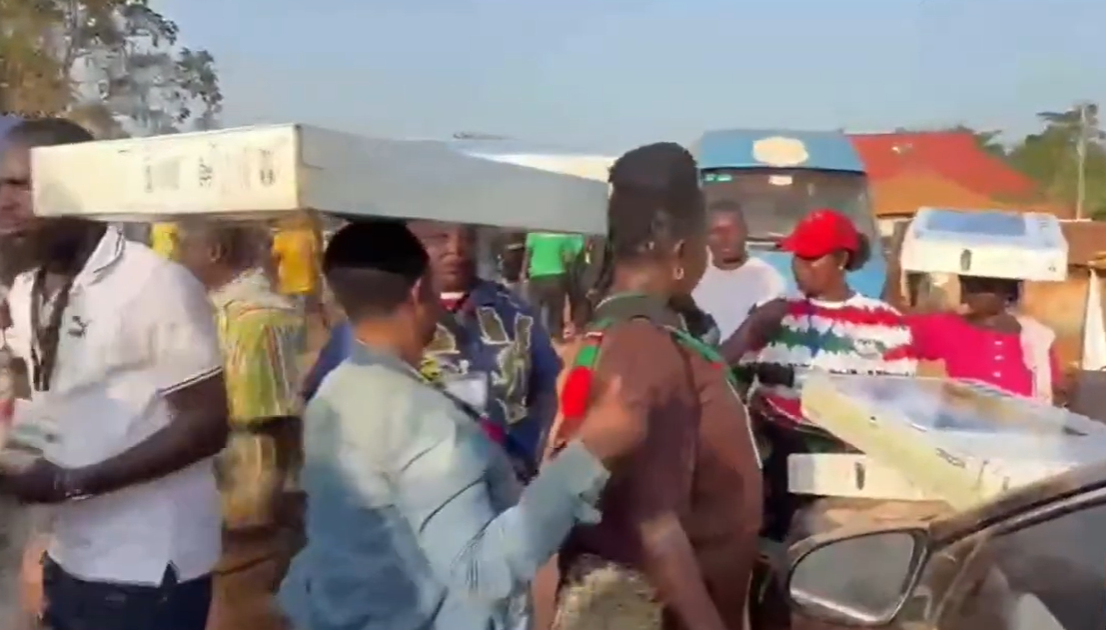
The revelation comes after allegations emerged that during recent NDC constituency executive elections, some delegates received cash and household appliances in exchange for their votes. Although the party has promised to investigate credible evidence, no formal findings have been established. However, the incidents highlight a troubling vulnerability: the NDC's rulebook simply does not give its senior decision-making bodies the explicit power to investigate and punish such misconduct.
The Constitutional Blind Spot
According to Fuseini, a committee tasked with reviewing the NDC's constitution identified the problem and is now drafting solutions. Currently, three key bodies lack clear authority: the Functional Executive Committee, the National Executive Committee, and the Council of Elders. None can definitively impose sanctions for electoral inducement because the party constitution does not explicitly empower them to do so. This technical flaw has serious consequences—any disciplinary action taken could be challenged in court by accused members claiming they lacked proper constitutional grounds for punishment.
The proposed amendments aim to fill this gap by formally defining electoral inducement as a party offence and establishing procedures for investigating complaints and punishing the guilty. Two main approaches are being weighed: assigning local constituency councils of elders to handle complaints at grassroots level, or routing cases to national headquarters for consideration by the Functional Executive Committee.
A secondary challenge the committee must address is distinguishing legitimate financial support—such as transport allowances for delegates to attend meetings—from improper payments designed to influence voting. Without clear definitions, the line between permissible assistance and vote-buying will remain blurred, complicating enforcement.
Why It Matters for Ghana
Internal party democracy is foundational to Ghana's broader democratic health. When major political parties fail to enforce their own rules, confidence in their integrity erodes, and members question whether leadership positions are earned on merit or purchased with cash. The NDC's struggle reflects a deeper problem across Ghanaian political parties: internal governance structures that lag behind contemporary standards and fail to deter corruption.
For ordinary Ghanaians, this matters because party internal elections shape who rises to positions of influence within government. If vote-buying flourishes at party level, it sets a cultural precedent and often foreshadows similar misconduct once candidates reach public office. Conversely, parties that maintain strict internal discipline and transparency send a signal that they take accountability seriously.
Fuseini also flagged another consequence: rising costs of contesting internal elections risk excluding women, young people, and those without personal wealth from party leadership. If only well-funded candidates can afford to win through inducements or campaign spending, the NDC—and by extension, any government it forms—will lose diverse voices and fresh perspectives.
Next Steps
The committee's proposals remain under review and will eventually go to a special congress for debate and potential constitutional amendment. The timeline for this process and the likelihood of substantive change remain unclear. Until then, the NDC operates with this constitutional handicap, making it difficult to credibly investigate and punish vote-buying allegations, even when evidence exists.
The party's approach to this moment will signal whether it is serious about internal reform or merely managing a public relations problem. Ghanaians watching internal party dynamics will be paying attention.
Source: The Ghana Report




Comments (0)
Be the first to comment.