
Ghana's institutions trapped in politics: why accountability investigations always look partisan
Ghana faces a persistent credibility crisis: whenever high-profile public figures face investigation, citizens automatically assume politics is at play. A senior governance expert has now put a name to this structural problem, and it points directly to how the country appoints its institutional leaders.
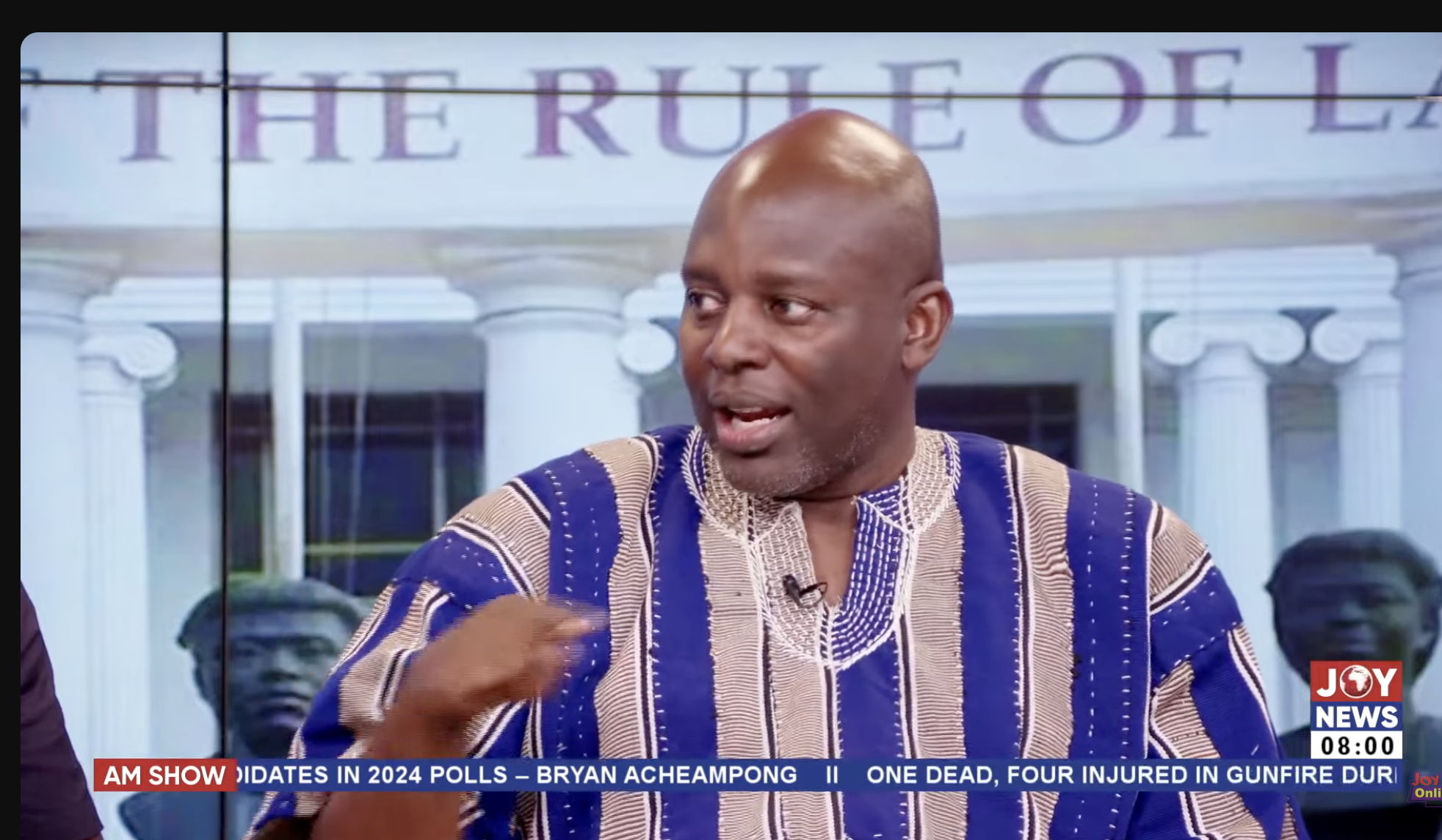
Dr John Osae-Kwapong, a Fellow at the Centre for Democratic Development (CDD-Ghana), told JoyNews this week that Ghana is caught in a self-reinforcing cycle where the political nature of state appointments makes it nearly impossible for the public—or even independent observers—to trust that investigations are purely administrative rather than vindictive.
The root of the problem: political appointments
The issue is straightforward but structural. Heads of Ghana's key state institutions, including prosecutorial and law-enforcement agencies, are political appointees. When a new government takes office, many of these positions turn over. When those same institutions then investigate prominent figures from the previous administration, it inevitably looks like payback.
"When there is a turnover election, you do see some turnover in who is appointed heads of these institutions, and then it is when the cases involve these high-profile or these politically-exposed persons, either a very prominent party official or they may have served in government," Dr Osae-Kwapong explained. This timing and pattern, he argues, naturally invites political interpretation.
The challenge isn't necessarily that investigations are politically motivated—it's that the system's architecture makes them impossible to defend convincingly. State officials acting with complete integrity will still appear compromised simply because their bosses were appointed by a rival faction.
Why this matters for Ghana
This structural weakness damages democracy in multiple ways. First, it erodes public confidence in institutions that are meant to be impartial. When citizens cannot believe investigations are fair, the rule of law itself becomes suspect. Second, it creates perverse incentives: incoming governments face pressure to use state institutions to settle political scores, knowing the public will expect it anyway. Third, it leaves actual wrongdoers—whether they have political connections or not—able to claim persecution rather than accept accountability.
The pattern also makes Ghana vulnerable internationally. Foreign investors, diplomatic partners, and international organisations increasingly scrutinise how countries handle politically sensitive investigations. A system that cannot convincingly demonstrate impartiality risks damaging Ghana's reputation and economic standing.
What needs to change
Dr Osae-Kwapong argues that if this pattern continues, Ghana must fundamentally rethink how it appoints institutional heads. Options could include multi-year fixed terms that survive changes in government, independent commissions rather than executive appointment, or constitutional safeguards that make it harder for incoming administrations to immediately replace key officials.
He also emphasised that accountability is not the responsibility of a single person. The appointing authority, direct supervisors, and oversight bodies all share an obligation to act if institutions repeatedly violate the Constitution. If an appointed head oversees unconstitutional behaviour, the appointing authority itself bears responsibility for either stopping it or reconsidering that appointment.
The Democratic National Congress (NDC) has already raised this concern publicly, with lawyer Abraham Amaliba arguing for a clearer separation between state institutional conduct and political direction. Dr Osae-Kwapong acknowledged the validity of that concern but noted it cannot be resolved purely through good intentions—the system itself must change.
For Ghana, the message is clear: tinkering with individual cases will not fix the underlying problem. Until the country redesigns how it appoints institutional leadership, investigations will continue to look political regardless of their actual merit. And that uncertainty corrodes the legitimacy of both justice and governance.
Source: MyJoyOnline


Comments (0)
Be the first to comment.