
Political appointees must answer for EOCO's actions, says governance expert
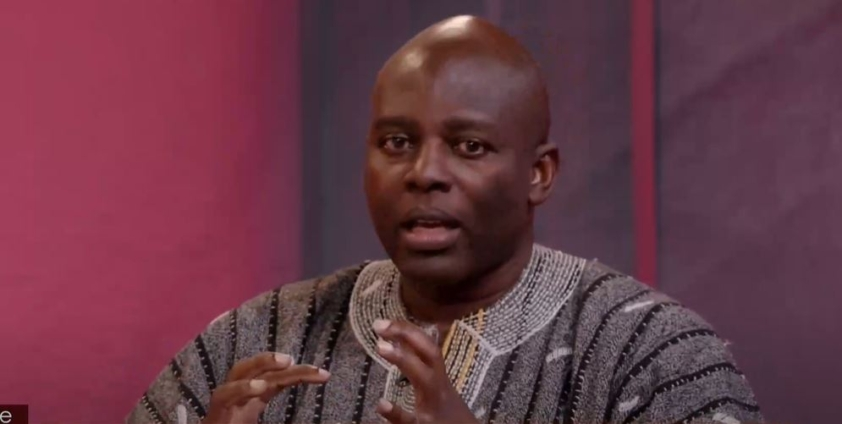
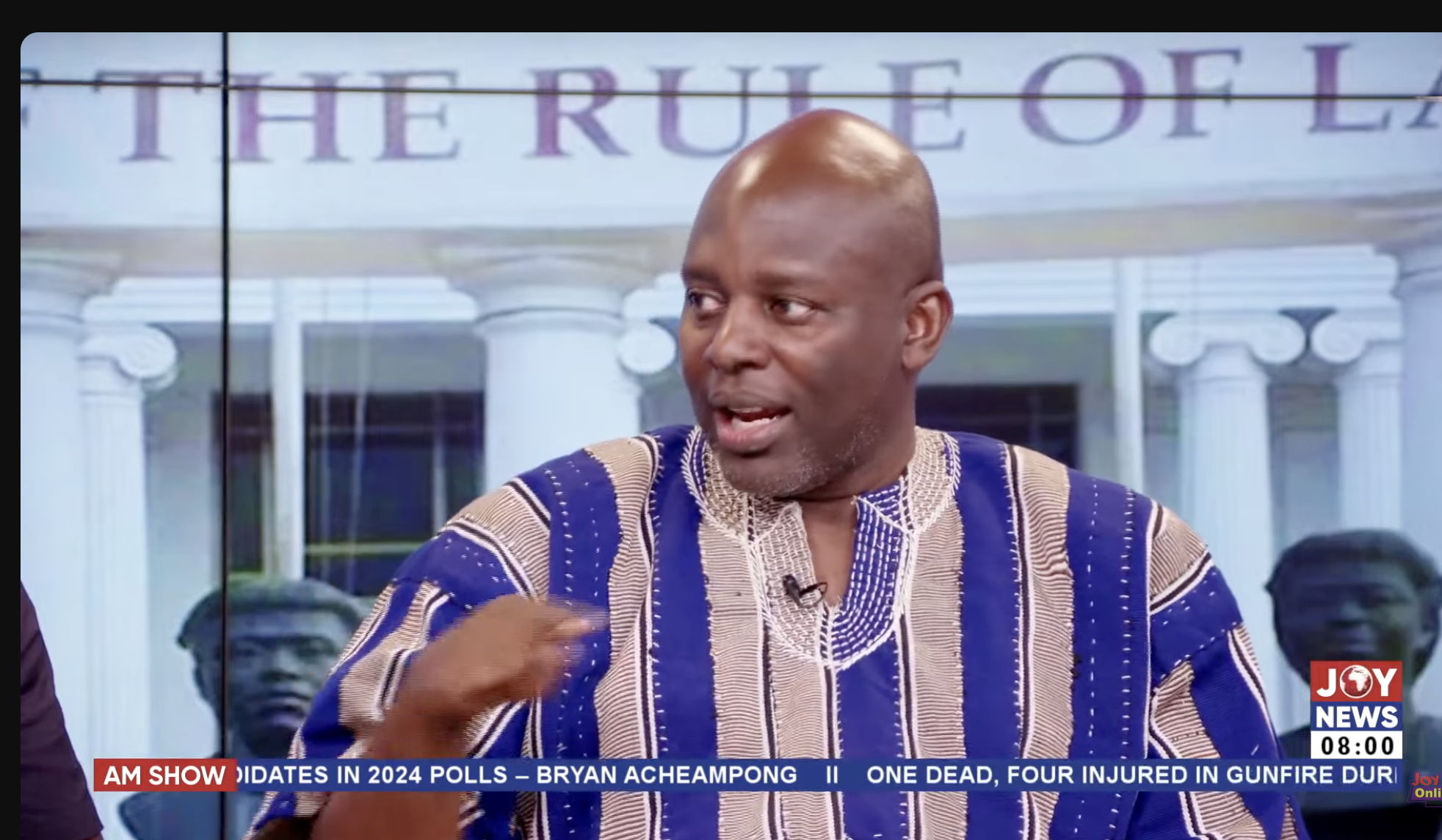
Governance expert Dr John Osae-Kwapong has warned that holding the Economic and Organised Crime Office (EOCO) accountable cannot stop at individual officers, insisting that the political authorities who supervise the institution must equally face scrutiny for its conduct.
Speaking on JoyNews's PM Express programme on Wednesday, the Fellow at CDD-Ghana highlighted a fundamental challenge in Ghana's institutional landscape: the difficulty in separating administrative decisions from political influence when agency heads are political appointees answerable to sitting governments.
The political appointment problem
Dr Osae-Kwapong explained that the heads of major state institutions in Ghana are appointed by political authorities, creating an inevitable political dimension to their actions. This becomes particularly evident when investigations involve high-profile political figures or former government officials. He noted that election cycles typically bring changes in institutional leadership, a pattern that makes the public naturally suspicious of investigations targeting politically exposed persons.
"The only challenge there is that the heads of these institutions are politically appointed," he said, pointing out that when there is a change of government, there is often a corresponding turnover in the leadership of key state agencies. This cycle, he argued, introduces a "political dynamic" that makes it difficult for citizens to view controversial actions as purely administrative decisions rather than politically motivated ones.
The expert acknowledged the legitimate point raised by the NDC's legal team about separating administrative behaviour from politics, but stressed that Ghana's current institutional framework makes this separation nearly impossible in practice. The visibility of politically exposed individuals in high-profile cases, combined with the pattern of leadership changes after elections, continues to blur this line further.
Multiple layers of accountability required
Dr Osae-Kwapong outlined a framework of accountability that extends beyond individual officers to include multiple levels of responsibility. According to him, appointing authorities bear responsibility if they repeatedly receive verified complaints about the conduct of institution heads yet take no action.
"If I have made someone the head, the administrative head of a state institution, but I'm seeing a repeated behaviour of things that offend the constitution, then as the appointing authority, one of the lines of accountability is to say maybe I need to rethink that decision," he explained.
He also stressed that officials who directly supervise such institutions have a duty to intervene when actions appear unconstitutional or improper. This supervisory accountability, he argued, represents another critical layer in the chain of responsibility.
Why this matters for Ghana
This debate strikes at the heart of Ghana's struggle to build institutions that operate independently yet remain politically accountable. The tension between administrative autonomy and political oversight has become more visible in recent years, particularly as citizens question the neutrality of investigative agencies during politically sensitive cases.
Dr Osae-Kwapong framed this as a continuing tension Ghana must resolve: how to prevent political leaders from becoming vulnerable to the actions of state actors they appoint, while also ensuring that such leaders cannot use the "administrative" excuse to avoid responsibility for institutional misconduct. The answer, he suggested, lies not in removing politics from the equation but in clearly defining where political accountability begins and administrative action ends.
This conversation is critical as Ghana continues to grapple with public confidence in state institutions. If citizens perceive that either EOCO officers act with impunity or that political appointees escape responsibility for their subordinates' actions, institutional credibility suffers. The framework Dr Osae-Kwapong articulated suggests that true accountability requires transparency at all levels, from the officers implementing investigations to the ministers and appointing authorities overseeing them.
Source: MyJoyOnline


Comments (0)
Be the first to comment.