NAFCO ex-chief's lawyers demand EOCO return seized cash and phones, citing privacy breach
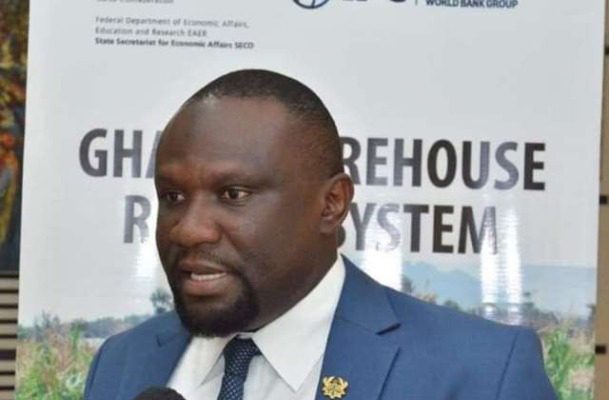
Lawyers for former National Food Buffer Stock Company (NAFCO) Chief Executive Officer Hanan Abdul-Wahab have escalated their demands for the return of personal belongings seized during his arrest, warning of potential legal action against the Economic and Organised Crime Office (EOCO).
In a formal letter to the Attorney-General dated July 9, 2026, legal firm Dame & Partners alleged that EOCO is unlawfully holding cash, two mobile phones, and a passport belonging to their client, despite his release from custody. The retained items reportedly include £5,000, £1,700 and approximately GH¢2,750 that Mr Abdul-Wahab had borrowed to fund a medical trip to the United Kingdom.
Timeline of arrest and detention
Mr Abdul-Wahab was arrested at Accra International Airport on July 4 whilst preparing to board a flight for urgent medical treatment. He was initially taken into custody by the Bureau of National Intelligence before being transferred to EOCO, where he remained until his release on the evening of July 8.
When EOCO asked him to return on July 9 to collect his belongings, only his empty purse, wristwatch and boarding pass were returned. The cash and both mobile phones remained with the agency. An investigating officer reportedly told Abdul-Wahab that he lacked authorisation to release the remaining items.
Constitutional and procedural violations alleged
The legal team has made serious allegations beyond simple property retention. Dame & Partners claims EOCO unlawfully accessed data stored on the mobile phones during detention without obtaining a court order—a breach of Article 18(2) of Ghana's 1992 Constitution, which guarantees the right to privacy.
The lawyers also highlighted another apparent violation: EOCO continues to retain Abdul-Wahab's passport despite a High Court order issued on June 29 directing its release to permit his overseas medical appointment, with the document to be returned to the court registrar afterwards.
The legal correspondence demands immediate release of all outstanding personal belongings and a complete accounting of any information extracted from the seized phones. Dame & Partners have indicated they will pursue formal legal proceedings if the matter remains unresolved.
Why it matters for Ghana
This case touches on fundamental issues of constitutional rights and state power in Ghana. The alleged unlawful retention of property and unauthorised access to private communications represent potential abuses of law enforcement authority that extend beyond this single individual.
The dispute also reflects ongoing tensions between security agencies and citizens' constitutional protections. Article 18(2) of the 1992 Constitution explicitly protects privacy rights, yet the alleged conduct by EOCO suggests those protections may not be consistently applied in practice. If substantiated, the claims would demonstrate gaps between Ghana's constitutional framework and actual enforcement.
Additionally, the fact that a High Court order for the passport's release appears to have been disregarded raises questions about respect for judicial authority within law enforcement structures. Such issues are central to the rule of law and public confidence in Ghana's institutions.
The outcome of this matter may influence how government agencies handle property seizures and data access during investigations, particularly for high-profile figures.
Source: The Ghana Report



Comments (0)
Be the first to comment.