Nollywood vs Ghanaian TV: Filmmaker Demands Action on Illegal Film Piracy

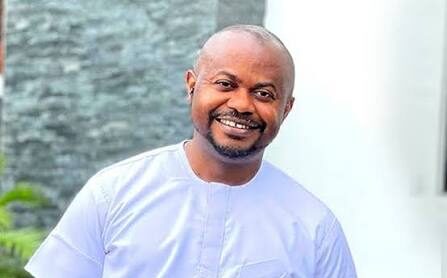
A significant intellectual property dispute has surfaced between Nigerian filmmakers and Ghanaian television stations, with prominent Nollywood producer Uchenna Mbunabo publicly challenging Ghana's regulatory bodies to enforce copyright protections. During a discussion with James Gardiner, Deputy CEO of Ghana's National Film Authority, Mbunabo highlighted what he described as rampant piracy of Nigerian films by Ghanaian broadcasters operating with apparent impunity.
The core issue centres on Ghanaian TV stations allegedly downloading recently released Nollywood films directly from YouTube and rebroadcasting them without permission, payment, or licensing agreements. Mbunabo questioned whether this practice had somehow become legal in Ghana, pointing out that producers lose substantial revenue through YouTube views and advertising income when their content is redistributed without authorisation.
The Scale of the Problem
According to Mbunabo, the unauthorised broadcasts have become increasingly systematic, with multiple television stations engaging in the practice simultaneously. He emphasised that Nigerian filmmakers invest significant capital in producing films and depend critically on legitimate streaming revenue to recoup those costs. When Ghanaian broadcasters circumvent this ecosystem, the financial damage cascades across the entire production chain.
Notably, Mbunabo drew a contrast with Nigerian broadcasting, stating that he has never witnessed Nigerian television stations adopting similar tactics with Ghanaian or international films. His comments suggest the problem is particularly acute in Ghana's broadcasting sector and questioned what protective measures the Ghanaian government has implemented to safeguard creative professionals' rights.
Ghana's Regulatory Response and Challenges
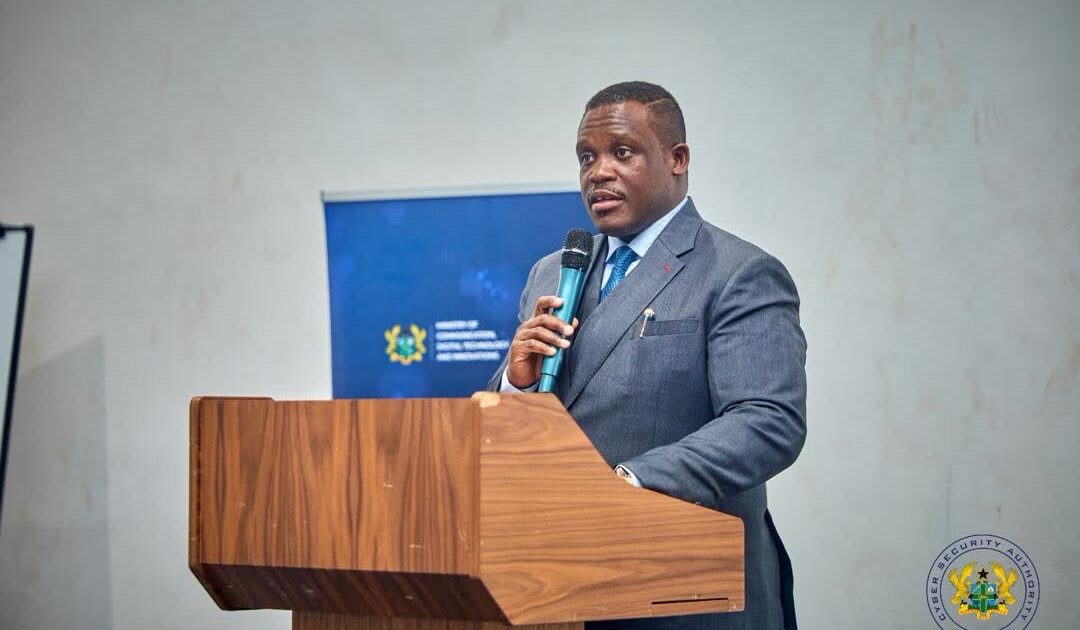
James Gardiner acknowledged the National Film Authority recognises the problem and confirmed that unauthorised broadcasts disappoint him personally. He revealed that the NFA has begun coordinating with key stakeholders including Ghana's Ministry of Communications, the National Communications Authority (NCA), and the National Media Commission (NMC) to develop solutions.
However, Gardiner highlighted a critical enforcement challenge: the digital transformation of broadcasting. Many Ghanaian television stations now operate as digital platforms without fixed physical offices, allowing them to broadcast from anywhere globally—potentially even from Europe—whilst maintaining a Ghanaian identity. This distributed model has made traditional regulatory oversight significantly more difficult.
To address this, authorities are considering revoking existing broadcasting licences and requiring television stations to undergo fresh licensing procedures with stricter copyright compliance requirements built in. Gardiner projected that meaningful reforms should begin taking effect by next year.
Why It Matters for Ghana
This dispute carries implications for Ghana's creative industries and regional relations. Ghana's film sector, known as Ghallywood, competes directly with Nollywood for audiences and investment across West Africa. Copyright enforcement directly affects Ghana's reputation as a jurisdiction that respects intellectual property—critical for attracting international film investment and partnerships.
Moreover, Ghana hosts the African Continental Free Trade Area (AfCTA) headquarters and positions itself as a continental business hub. Perceived weakness in intellectual property enforcement could undermine Ghana's credibility with foreign creative professionals and production companies considering regional operations.
The dispute also reflects broader challenges facing African creative industries: balancing accessibility and audience reach against the need for sustainable revenue models that fund quality production. Without effective enforcement, filmmakers across the continent struggle to justify continued investment in expensive productions.
On a positive note, Mbunabo emphasised his comments were not an attack on Ghana but a call for institutional strengthening. He highlighted his consistent collaboration with Ghanaian actors and support for Ghana-Nigeria film partnerships, suggesting constructive dialogue remains possible. The proposed enforcement mechanisms—including fines, licence suspension for repeat offenders, and licence revocation—represent Ghana's attempt to harmonise its copyright framework with regional creative industry standards.
Source: Ameyaw Debrah


Comments (0)
Be the first to comment.