Why Ghana's Flood Crisis Keeps Repeating: A System Broken by Poor Planning and Budget Cuts
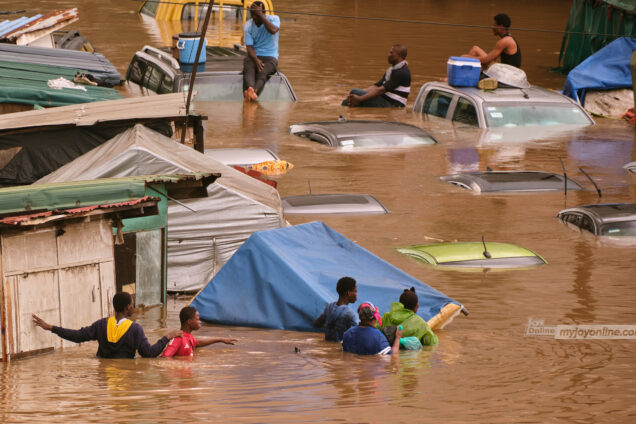
Ghana's rainy season brings a predictable tragedy: streets fill with water, garbage, and debris; people die; politicians launch clean-up exercises; and nothing structural changes. This cycle of preventable disaster reflects systemic failures in sanitation policy, infrastructure investment, and governance accountability that cost the nation dearly every year.
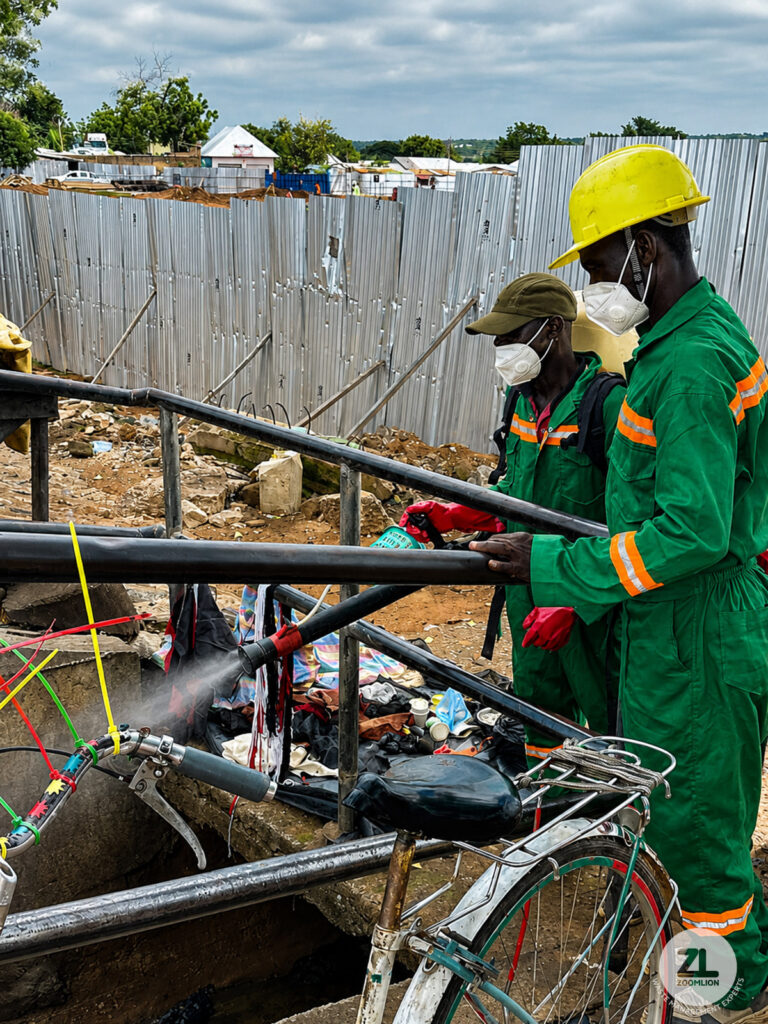
The recent rains that saw cars and people swept through streets have sparked familiar responses—a presidential national clean-up declaration and symbolic gestures like Zoomlion deploying 2,000 workers. Yet these surface-level interventions mask a deeper crisis. According to the World Bank, sanitation problems alone cost Ghana approximately 290 million USD annually, equivalent to 1.6% of GDP. That figure does not include the human toll: deaths from cholera, malaria, and flood-related disasters that could be prevented with proper infrastructure and planning.
The Scale of Ghana's Sanitation Crisis
The numbers reveal how far Ghana lags behind developed nations and even regional peers. One in five Ghanaians still practises open defecation, and only 25% have access to adequate sanitation facilities. These statistics exist during normal times, when there is no flooding. When the rains come, the vulnerability becomes deadly.
The Central Region, for example, has recorded higher flood mortality rates than Accra despite less media attention, suggesting the problem is nationwide and systemic rather than isolated to major cities. Yet there is no evidence of national rainstorm or drainage master plans, no new budget allocations, and critically, no accountability measures such as dismissals for dereliction of duty.
Why This Matters for Ghana
Ghana has faced this challenge before. In 2014, rains brought deaths and disease, triggering the same political noise without lasting solutions. The pattern repeats because accountability is absent and budgets remain inadequate. Recent revelations that the government cut the sanitation budget by nearly 60% between 2023 and 2024—despite pledging to make Accra Africa's cleanest city—demonstrate a disconnect between rhetoric and resource allocation.
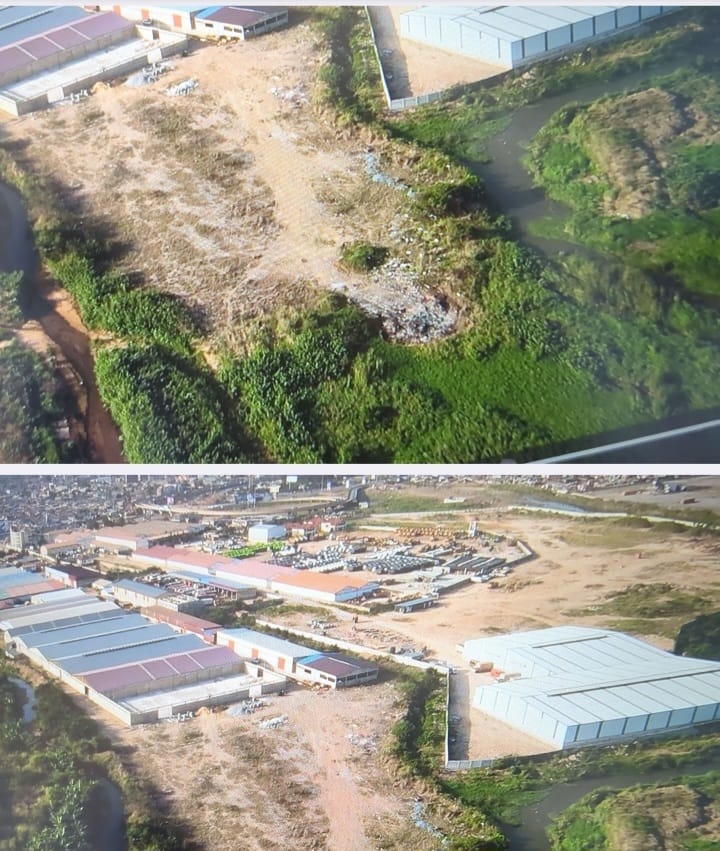
Building in drainage plains and valleys continues unchecked, with government connivance. Galamsey mining operations worsen water pollution and flood risk, yet are treated as separate from public health, not as a critical threat. Waste management remains ad hoc, with no policy for converting refuse into energy as advanced economies do routinely. These are not mysteries—they are policy choices.
The Missing Elements of Real Change
Meaningful reform requires several shifts:
- Accountability: Ministers and Metropolitan, Municipal and District Chief Executives must face consequences for incompetence. In developed nations, such disasters trigger hearings and policy changes.
- Infrastructure investment: Drainage systems must be designed and maintained properly. National sanitation budgets must be adequate and protected, not slashed.
- Regulation: Building codes must prevent construction in flood-prone areas. Mandatory property insurance could mitigate disaster impacts.
- Employment: Sanitation work should be recognised as a source of skilled, well-paying jobs, not just political theatre.
Ghana's leaders tolerate preventable devastation whilst resources flow to other priorities. A nation serious about progress does not permit this cycle to repeat decade after decade. The rainy season will come again. Without structural change, so will the deaths, the destroyed properties, and the broken promises. Ghanaians deserve better.
Source: The Ghana Report

Comments (0)
Be the first to comment.