
Democracy Is Not For Sale Campaign Lands in Dambai as Political Activism Takes Centre Stage
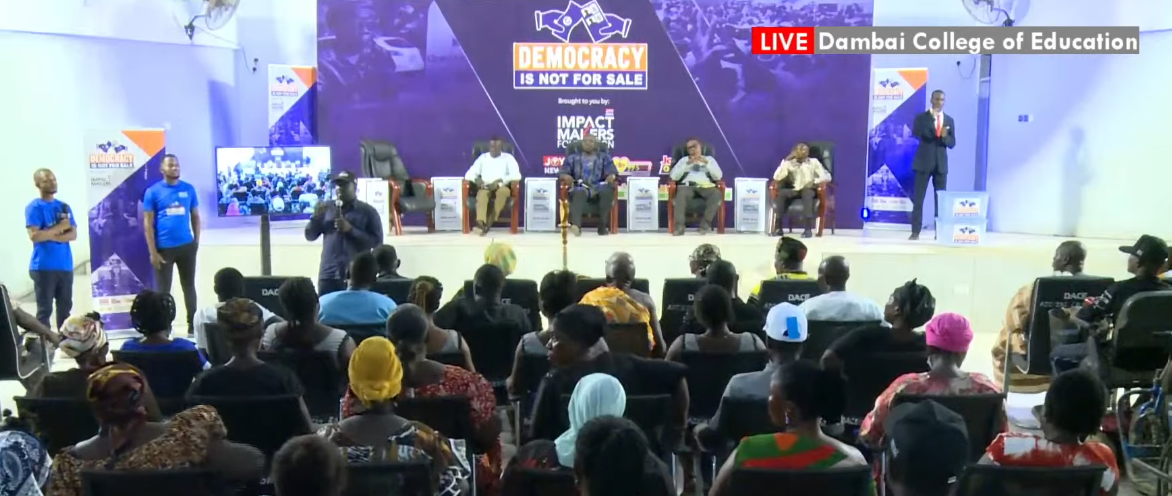

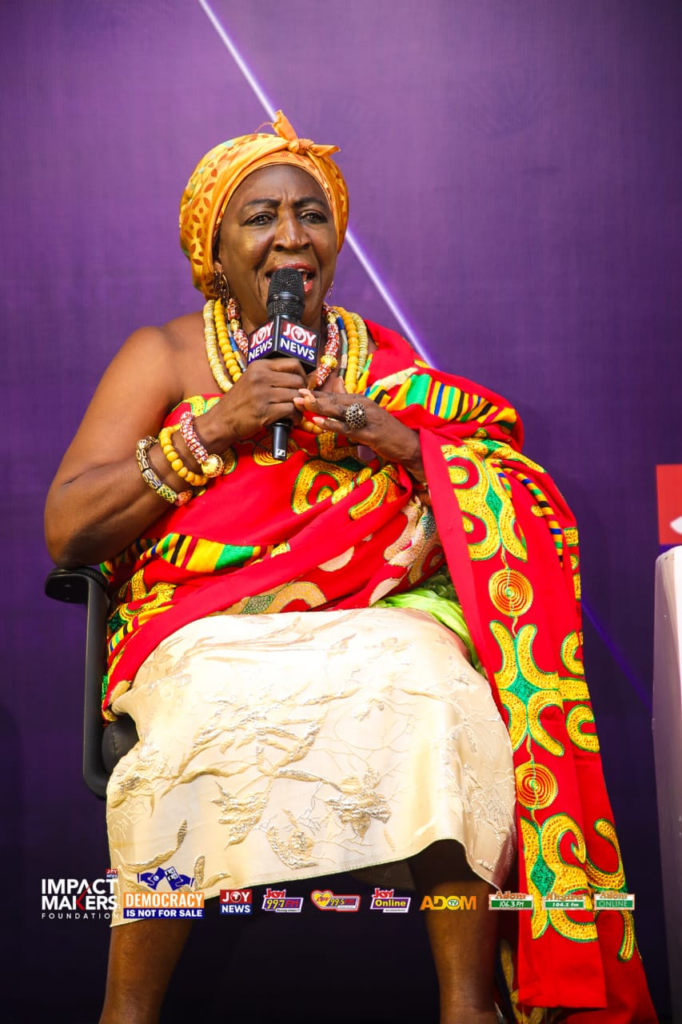
The Democracy Is Not For Sale campaign has arrived in Dambai, the capital of the Oti Region, marking another stop in what has become one of Ghana's more visible civic advocacy movements in recent times. The event, held in the Volta River basin town, drew attention as organisers and participants gathered to reinforce their message that Ghana's democratic institutions and electoral processes must remain free from undue influence and manipulation.
What is Democracy Is Not For Sale?
The Democracy Is Not For Sale movement is a civic campaign that has been making rounds across various parts of Ghana, rallying citizens around the principle that democracy must be safeguarded from corruption, vote-buying, and the commercialisation of political power. The campaign speaks directly to concerns that have been raised repeatedly by civil society groups, election observers, and ordinary Ghanaians — that the integrity of the ballot box is under threat when money becomes the primary currency of political competition.
Ghana has long been celebrated across Africa as a beacon of democratic stability, having successfully conducted multiple peaceful transfers of power since the return to multiparty democracy in 1992. However, concerns around vote-buying, monetisation of primaries, and the influence of money on voter behaviour have persisted as stubborn challenges that civic actors continue to push back against.
Why Dambai? The Significance of Taking the Message to the Oti Region
Dambai, as the administrative capital of the Oti Region — one of Ghana's newer regions created in 2019 — represents an important outreach point. The Oti Region, carved out of the former Volta Region, has a population that is keenly interested in issues of governance and representation, having itself been at the centre of a long-standing agitation for a separate regional identity. Bringing a democracy-focused campaign to this area signals an effort to ensure that civic education and political accountability messaging reaches communities beyond the major urban centres of Accra, Kumasi, and Tamale.
Grassroots campaigns of this nature are considered vital in bridging the gap between high-level political discourse and the everyday experiences of citizens in smaller towns and rural communities, where access to civic information can be more limited.
What This Means for Ghana's Democratic Culture
The continuation of campaigns like Democracy Is Not For Sale reflects a broader trend of civil society becoming increasingly vocal and mobile in Ghana. As the country looks ahead to future electoral cycles, advocacy groups are clearly keen to build a culture where voters are empowered to resist inducements and where politicians are held to account by an informed citizenry.
Ghana's democracy, while admired regionally, faces the same pressures seen across many emerging democracies — where economic hardship can make communities more vulnerable to vote-buying and where political patronage networks can distort genuine representation. Campaigns that travel directly to communities like Dambai serve as a reminder that protecting democracy is not solely the responsibility of institutions like the Electoral Commission or the judiciary, but of every citizen.
- Civil society movements play a growing role in keeping Ghana's democratic culture alive at the grassroots level.
- Reaching smaller regional capitals like Dambai ensures that civic messaging is not limited to urban centres.
- Vote-buying and the monetisation of politics remain key concerns for Ghanaian democracy watchers ahead of future elections.
As the campaign continues, its organisers are likely hoping that events such as the Dambai gathering will energise local communities to take ownership of their democratic rights and resist any attempts to reduce their votes to a transaction.
Source: MyJoyOnline

Comments (0)
Be the first to comment.