
Ghana's Democracy for Sale? How Vote-Buying Is Eroding the Nation's Future


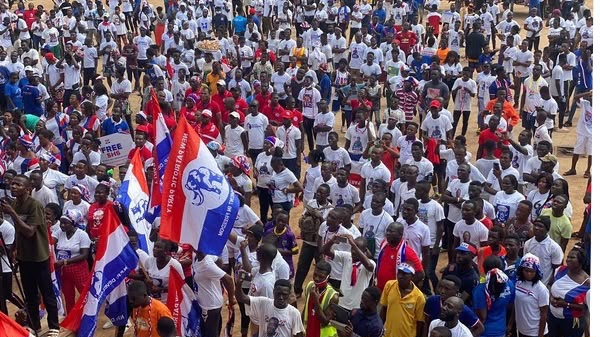
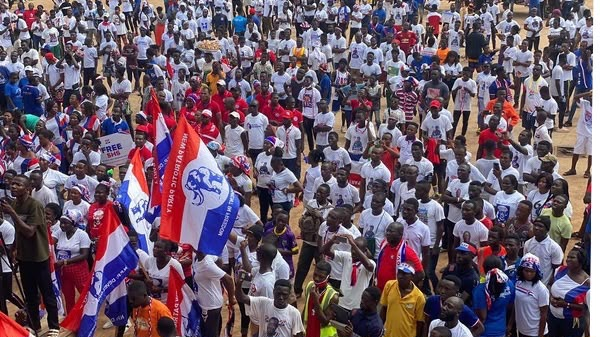
Across Ghana, a troubling pattern has taken hold in the country's political culture: money is steadily replacing merit as the primary currency of political success. From constituency primaries to general elections, the practice of distributing cash, gifts and other material inducements to delegates and voters has become so widespread that many Ghanaians now regard it as a routine feature of political competition — a normalisation that experts and observers warn could have devastating consequences for the country's long-term development.
When the Highest Bidder Wins
At the heart of the problem is a fundamental distortion of what democratic elections are meant to achieve. In a healthy democracy, candidates rise on the strength of their ideas, track records, integrity and vision. In Ghana's increasingly monetised political environment, however, capable individuals who lack deep pockets risk being sidelined — not because they have nothing to offer, but simply because they cannot match the financial firepower of wealthier rivals.
Perhaps more alarming is the flip side of this equation: some individuals actively seek political office despite being ill-equipped to perform the responsibilities that come with it, knowing that money alone can carry them across the finishing line. When a candidacy becomes a financial transaction rather than a public service commitment, the entire logic of representative government breaks down.
Several interlocking factors sustain this culture. Poverty and unemployment leave many voters vulnerable to short-term financial temptation. The monetisation of party politics has created an expectation among delegates that support must be purchased. Meanwhile, weak enforcement of electoral regulations means that those who flout the rules rarely face meaningful consequences, emboldening further abuse.
Why It Matters for Ghana
The implications stretch far beyond any single election. When financial influence consistently trumps competence in determining who leads, the downstream effects touch every aspect of national life. Poor leadership produces weak institutions. Weak institutions generate poor policy. Poor policy means inadequate healthcare, crumbling infrastructure, sluggish economic growth and persistent unemployment — the very hardships that made voters receptive to handouts in the first place. It is a cycle that feeds itself.
Ghana has made considerable democratic progress since the return to multiparty politics in 1992, regularly conducting elections that regional neighbours look to as a benchmark. That hard-won reputation is at risk if the integrity of the process continues to be hollowed out from within. A country cannot build the capable, accountable state it needs for development if political positions are essentially auctioned off to the highest bidder.
There is also an inequality dimension worth noting. Vote-buying effectively prices out a generation of talented, committed Ghanaians — professionals, community leaders, civil society figures — who have the skills to govern but not the wealth to compete in a money-driven system. The country therefore loses their contribution before they even get the chance to make it.
What Must Change
Addressing this challenge requires action on multiple fronts simultaneously. The Electoral Commission must strengthen its capacity to investigate and prosecute electoral offences, including vote-buying, and political parties must take responsibility for cleaning up their own internal selection processes. Parliament can play a role by reviewing and tightening existing electoral laws to close loopholes that allow financial inducements to go unpunished.
Equally important is sustained, grassroots political education. Ghanaians must be helped to connect the dots between the money accepted on election day and the years of poor governance that can follow. A one-time cash handout cannot compensate for a broken health system, a child denied quality education or a business starved of reliable electricity and roads.
- Civil society organisations and the media have a critical role in exposing vote-buying and holding both candidates and party officials accountable.
- Community and religious leaders carry significant moral authority and can reinforce the message that selling one's vote is ultimately selling one's future.
- Young Ghanaians, who will live longest with the consequences of today's political choices, must be energised to demand better standards from those who seek to lead them.
Ghana's democracy is one of Africa's genuine success stories. Protecting that legacy means ensuring that the nation's highest offices are filled by those most capable of doing the job — not simply those most willing to pay for the privilege.
Source: The Ghana Report


Comments (0)
Be the first to comment.