
Ghana on Track to Produce Its Own Vaccines by 2027, Says National Vaccine Institute
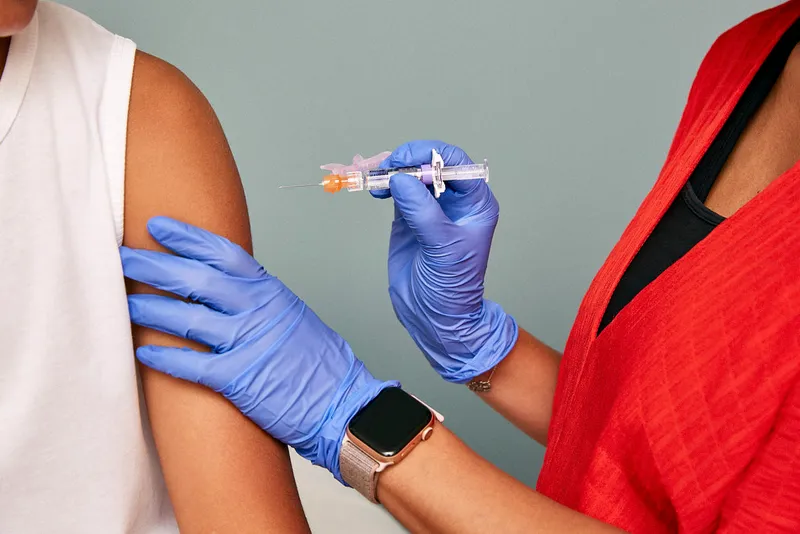

Ghana is set to become one of the few African countries capable of producing its own vaccines, with the National Vaccine Institute (NVI) confirming that locally manufactured shots could be ready as early as 2027. The announcement marks a significant milestone in the country's long-term push to reduce dependence on imported vaccines and strengthen its public health infrastructure.
What Ghana plans to produce
The NVI has identified two initial products as the starting point for local vaccine manufacturing. The first is a Tetanus-Diphtheria (Td) vaccine, a combination shot that protects against two serious bacterial infections — tetanus, which causes painful muscle stiffness, and diphtheria, a potentially fatal throat infection. The second is an anti-tetanus serum, used to treat individuals who have already been exposed to tetanus and need urgent immune protection.
Both products are considered essential medicines in Ghana, particularly for maternal and child health. Tetanus remains a concern in parts of the country where wound infections or unsafe delivery practices can expose individuals to the bacteria. Having a locally produced supply of these medicines would help ensure more stable and affordable access across all regions.
Why it matters for Ghana
The COVID-19 pandemic exposed a harsh reality for many African nations: when global vaccine supplies ran short, the continent was left at the back of the queue. Ghana, like its neighbours, struggled with delayed deliveries and uncertainty around supply. Local vaccine production is widely seen as the most durable solution to that vulnerability.
Beyond pandemic preparedness, local manufacturing has several practical advantages. It can reduce procurement costs over time, create skilled jobs in the pharmaceutical and biomedical sectors, and position Ghana as a regional hub for vaccine supply within the ECOWAS bloc. Countries such as Senegal and South Africa have already made strides in this area, and Ghana's move signals that West Africa is serious about building its own health manufacturing capacity.
The African Union's Agenda 2063 and the African Medicines Agency framework have both emphasised the importance of reducing Africa's dependence on external pharmaceutical supply chains. Ghana's NVI initiative aligns squarely with those continental goals.
The road ahead
Producing vaccines at a national level is a complex undertaking. It requires not only laboratory infrastructure and trained personnel but also regulatory approval, quality assurance systems, and cold chain logistics to ensure the finished products reach communities safely. The NVI will need to meet internationally recognised standards — including those set by the World Health Organisation — before its vaccines can be certified for public use.
Observers and public health advocates will be watching closely to see whether the 2027 target holds. Delays in infrastructure, funding gaps, or regulatory hurdles could push timelines back, as has happened with similar projects elsewhere on the continent. Nevertheless, the commitment itself signals a maturing ambition within Ghana's health system.
- Ghana's pharmaceutical sector has grown steadily in recent years, with several local firms already producing generic medicines and medical consumables.
- The NVI was established specifically to spearhead vaccine research, development and eventual local production.
- If successful, Ghana would join a small but growing group of African nations with an active vaccine manufacturing capability.
For ordinary Ghanaians, the promise of locally made vaccines represents more than a technical achievement — it is a step towards the kind of health sovereignty that could save lives during the next global health crisis.
Source: 3News



Comments (0)
Be the first to comment.