
Ghana Faces $435 Million Annual Bill If Antimicrobial Resistance Goes Unchecked, Pharmacists Warn
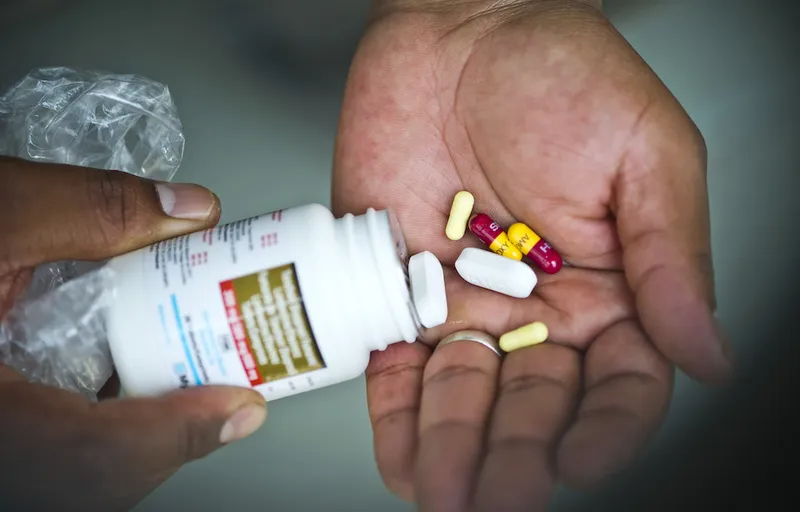

Ghana risks losing as much as $435 million every year to antimicrobial resistance (AMR) if the country fails to take decisive action against the growing threat of drug-resistant infections, pharmacists have warned. The alert was raised during AMR Awareness Week, an annual global campaign designed to highlight one of the most pressing public health challenges of our time.
What is antimicrobial resistance and why is it spreading?
Antimicrobial resistance occurs when bacteria, viruses, fungi and parasites evolve in ways that make standard medicines — including antibiotics — less effective or entirely useless. It develops largely because of the overuse and misuse of antimicrobial medicines in humans, animals and agriculture. In Ghana, as in much of West Africa, antibiotics can often be purchased over the counter without a prescription, a practice that health professionals say accelerates the development of resistant strains. Inadequate laboratory capacity to correctly diagnose infections also means patients are frequently given the wrong medicines, further fuelling resistance.
Pharmacists argue that the problem is not limited to hospitals and clinics. The widespread use of antibiotics and other antimicrobials in livestock farming and aquaculture means that resistant organisms can enter the food chain, posing risks to consumers and threatening agricultural productivity at the same time.
Why it matters for Ghana
The projected $435 million annual economic cost is a figure Ghana can ill afford. The country has in recent years faced significant fiscal pressures, including a debt restructuring programme supported by the International Monetary Fund. A surge in treatment costs driven by drug-resistant infections would place enormous strain on the National Health Insurance Scheme (NHIS) and on household budgets, particularly for poorer Ghanaians who already struggle to access quality healthcare.
Beyond the direct medical costs, pharmacists warn that AMR threatens food security. If resistant infections spread through Ghana's poultry, fish and livestock industries — sectors that employ millions and feed millions more — the consequences for rural livelihoods and national nutrition could be severe. Economic growth projections could also be dented, as a less healthy workforce is a less productive one.
Ghana does have a National Action Plan on AMR, developed in line with guidelines from the World Health Organisation, but health professionals stress that implementation has been uneven and that greater investment in surveillance, laboratory infrastructure and public education is urgently needed.
What pharmacists and health authorities are calling for
During AMR Awareness Week, pharmacists called on government, regulators and the public to take several concrete steps to curb the crisis before it deepens. Key demands include stricter enforcement of prescription-only rules for antibiotics, better training for healthcare workers on appropriate prescribing, and stronger regulation of antimicrobial use in agriculture.
- Enforce prescription requirements for antibiotics at all pharmacies and chemical shops across the country.
- Invest in diagnostic laboratories so that infections are correctly identified before treatment begins.
- Launch sustained public education campaigns to discourage patients from self-medicating with leftover antibiotics.
- Strengthen inter-sectoral collaboration between health, agriculture and environment ministries under the One Health framework.
The public also has a role to play. Pharmacists urged Ghanaians never to demand antibiotics for viral illnesses such as colds and flu, to always complete a prescribed course of medication, and to avoid sharing medicines with family members or neighbours. Small behavioural changes, they say, can collectively make a significant difference in slowing the spread of resistance.
With AMR already responsible for a significant number of deaths globally each year — and with low- and middle-income countries bearing a disproportionate share of that burden — the warning from Ghana's pharmacists is both timely and urgent. The cost of inaction, measured in lives as much as in dollars, could far exceed any price tag attached to prevention.
Source: 3News




Comments (0)
Be the first to comment.