
Ghana Among Nations at Risk as Drug-Resistant Infections Threaten 39 Million Deaths by 2050, WHO Warns

The World Health Organisation (WHO) has sounded a stark alarm over the growing threat of antimicrobial resistance (AMR), warning that drug-resistant infections could claim as many as 39 million lives globally by the year 2050 if urgent action is not taken. Critically, the WHO has revealed that only 22 per cent of countries worldwide have fully funded and implemented national action plans to combat the crisis — leaving the vast majority of nations, including many across Africa, dangerously exposed.
What is antimicrobial resistance and why is it so dangerous?
Antimicrobial resistance occurs when bacteria, viruses, fungi and parasites evolve to defeat the drugs designed to kill them. The result is that common infections — from urinary tract infections to tuberculosis and malaria — become increasingly difficult or impossible to treat with standard medicines. The WHO describes AMR as one of the greatest threats to global public health, food security and development.
The crisis has been accelerated by the overuse and misuse of antibiotics in both human medicine and animal farming, as well as poor sanitation infrastructure and inadequate regulation of pharmaceutical products. When patients take antibiotics unnecessarily, or fail to complete a full course of treatment, they create conditions in which resistant strains of bacteria can thrive and spread.
Why it matters for Ghana
Ghana faces a particularly complex challenge when it comes to antimicrobial resistance. The country carries a significant burden of infectious diseases — including malaria, typhoid, tuberculosis and respiratory infections — that are routinely treated with antibiotics and other antimicrobial drugs. If resistance to these medicines continues to grow unchecked, the consequences for Ghana's health system could be devastating.
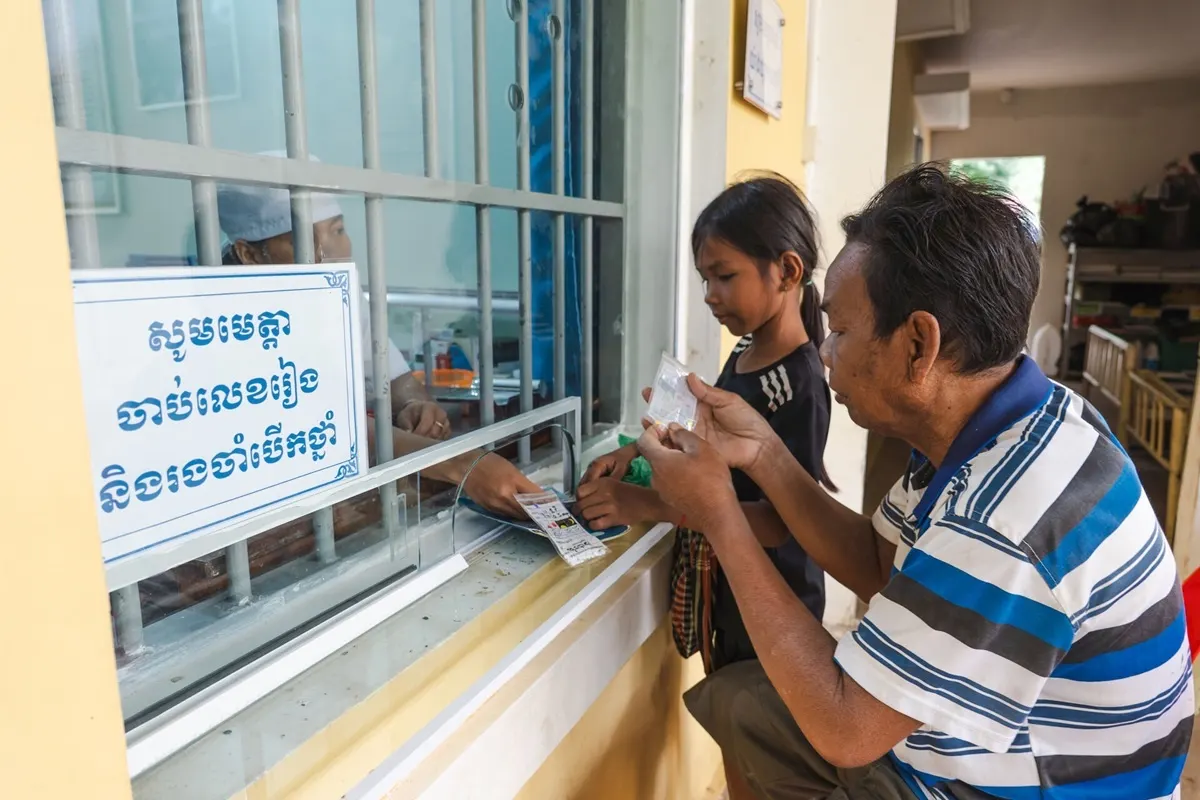
A major concern in Ghana, as in many parts of sub-Saharan Africa, is the widespread availability of antibiotics without prescription. Many Ghanaians purchase antibiotics over the counter at pharmacies and chemical shops without a doctor's guidance, contributing directly to the emergence of resistant strains. Healthcare professionals and public health advocates have repeatedly raised this issue, but enforcement of prescription regulations remains inconsistent.
Ghana's health infrastructure, already under pressure from funding constraints and workforce shortages, would struggle to manage a surge in infections that no longer respond to first-line treatments. The cost of second- and third-line antimicrobial drugs — the alternatives when standard medicines fail — is significantly higher, placing them beyond the reach of many patients and health facilities.
With only about one in five countries having a fully funded national AMR action plan in place, Ghana and its neighbours must urgently assess where they stand. West African countries have been encouraged through bodies like ECOWAS and the Africa Centres for Disease Control and Prevention (Africa CDC) to develop coordinated regional responses to AMR, though progress has been uneven.
What needs to happen next
Global health experts are calling for a multi-pronged response that includes stronger regulation of antibiotic sales, investment in diagnostic infrastructure so that patients receive the right treatment for the right infection, and public education campaigns to shift behaviour around medicine use.
Improved sanitation and clean water access — areas where Ghana has made progress but still faces gaps, particularly in rural communities — are also essential in reducing the spread of infections in the first place, lowering the need for antimicrobial treatment overall.
The WHO's warning serves as a renewed call to governments across Africa to treat AMR not as a distant future problem but as an immediate public health emergency. For Ghana, addressing the issue will require commitment at both the policy level and on the ground — in hospitals, pharmacies, farms and households across the country.
- Only 22% of countries have fully funded and implemented AMR action plans, WHO says.
- Drug-resistant infections could kill 39 million people globally by 2050.
- Overuse of antibiotics without prescription remains a key driver of resistance in Ghana.
Source: 3News




Comments (0)
Be the first to comment.