Ghana's Constitutional Overhaul Debate: Not All Problems Need Charter Changes, Say Legal Experts

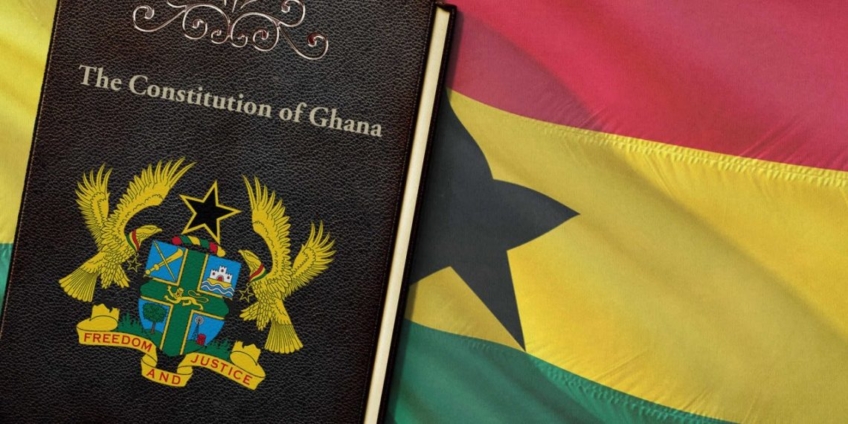
Ghana's ongoing constitutional reform debate has taken a cautious turn, with legal experts and analysts warning that not every governance problem requires a change to the nation's 1992 Constitution. The intervention comes amid renewed focus on the Prempeh Committee Report and government's handling of its recommendations for constitutional reform.
At a seminar organised by the Institute of Economic Affairs (IEA), speakers highlighted the dangers of treating constitutional amendments as a catch-all solution to institutional challenges. Their arguments underline a fundamental tension in Ghana's democratic governance: the balance between reforming constitutional structures and resolving problems through existing legal frameworks, legislative action, or changes in implementation practices.
The Risk of Constitutional Overreach
Constitutional amendments carry significant institutional weight and political consequences. Each change to the supreme law risks altering the delicate balance of power between Ghana's three arms of government — executive, legislature, and judiciary. Frequent or hasty constitutional changes can create uncertainty for investors, undermine institutional credibility, and divert legislative attention from pressing operational governance issues that do not require constitutional intervention.
The seminar participants argued that Ghana should distinguish between problems rooted in constitutional design flaws and those stemming from weak enforcement of existing provisions, inadequate funding, poor leadership, or gaps in implementing legislation. Many governance challenges can be addressed through regular laws, administrative reforms, or changes to institutional procedures without reopening the Constitution.
The Prempeh Committee Report and Government Response
The Prempeh Committee, tasked with reviewing Ghana's constitutional framework, produced recommendations that have sparked debate about the scope and necessity of reform. The government's position on these recommendations has drawn scrutiny from civil society, academics, and governance commentators, with questions about which proposals warrant constitutional changes and which can be pursued through other means.
The IEA seminar appears designed to inject expertise and caution into this conversation, urging policymakers and the public to apply a rigorous test before pursuing constitutional amendments. This reflects broader international best practice, where constitutions are reserved for fundamental governance principles rather than operational or policy-level adjustments.
Why It Matters for Ghana
Ghana's 1992 Constitution has already undergone several amendments since its adoption. Each amendment reflects attempts to address governance gaps or respond to political pressures. However, the cumulative effect of multiple amendments can fragment the Constitution's coherence and create interpretive challenges for courts and institutions.
For Ghana specifically, this debate matters because:
- Institutional stability: Frequent constitutional changes risk signalling instability to international investors and development partners, potentially affecting credit ratings and foreign direct investment confidence.
- Democratic legitimacy: Constitutional amendments typically require higher parliamentary majorities (at least two-thirds) and sometimes public referenda. Using constitutional processes sparingly preserves their legitimacy and prevents constitutional fatigue among citizens.
- Effective governance: Many governance problems — corruption, bureaucratic inefficiency, service delivery failures — stem from implementation gaps, not constitutional defects. Resources devoted to constitutional reform might be better spent strengthening institutions, capacity, and accountability mechanisms.
- Long-term institutional development: Stable constitutions over time allow institutions to develop deeper roots, case law to evolve, and public understanding of the constitutional order to mature.
The IEA intervention reflects Ghana's maturing democratic discourse, where technical expertise and principled caution increasingly shape policy conversations. Whether the government heeds these warnings about selective constitutional amendment will likely define the next phase of Ghana's institutional development.
Source: 3News

Comments (0)
Be the first to comment.