
TUC calls for constitutional overhaul of Council of State to curb presidential power
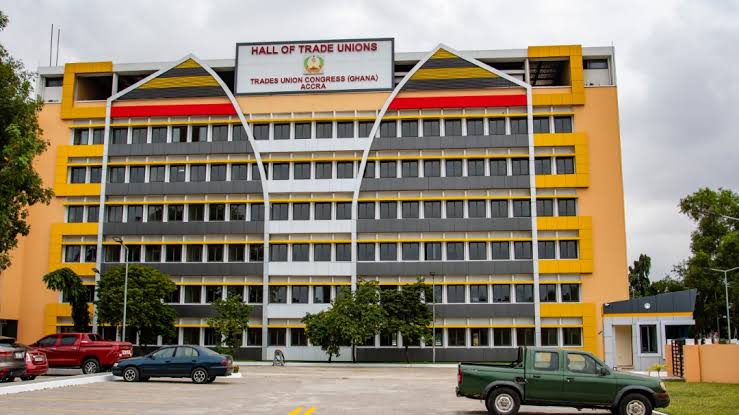

The Trades Union Congress (TUC) has thrown its weight behind proposed constitutional reforms aimed at reshaping Ghana's Council of State, arguing that the current structure gives the President too much control over the body and undermines its ability to serve the public interest.
In a significant intervention into the ongoing constitutional reform debate, the TUC is advocating for a sharp reduction in the number of members the President can appoint to the Council, capping presidential appointments at just five. This proposal represents a direct challenge to the existing balance of power within an institution that is supposed to provide independent counsel to the executive.
The core proposal and its rationale
The TUC's push centres on amending Article 89(2) of the 1992 Constitution, which currently defines how the Council of State is composed. Under the union's proposal, presidential appointees would be limited to five members, fundamentally altering the body's structure from what the TUC describes as one dominated by executive influence.
The union has characterised the current arrangement as creating an "overwhelming dominance" of presidential appointees, arguing this arrangement weakens rather than strengthens the institution. By reducing presidential power to appoint members, the TUC believes the Council would become more balanced, independent, and better positioned to offer genuine counsel that reflects broader national interests rather than executive preferences.
"The Council of State remains a useful organ of state that must be reformed to be effective at meeting the expectations of citizens," the TUC stated in its submission on the reforms.
Why it matters for Ghana
The TUC's intervention highlights growing concerns among key stakeholder groups in Ghana about institutional checks and balances. The Council of State, though often overlooked compared to Parliament, plays a constitutionally mandated advisory role to the President on key matters of national importance, including appointments and policy decisions.
When one institution—in this case, the executive—holds disproportionate influence over the composition of a body meant to advise it, the fundamental principle of institutional independence is compromised. This can result in the Council becoming a rubber-stamp body rather than a genuine check on executive power.
For Ghanaians, this matters because a weak or compromised Council of State means fewer independent voices questioning presidential decisions. The TUC's position reflects a broader civil society argument that Ghana's democratic institutions need stronger independence and clearer separation of powers to function effectively and protect citizens' interests.
The union's proposal also signals that labour organisations view constitutional reform as an opportunity to strengthen institutional accountability across the board. As one of Ghana's most organised and vocal civil society groups, the TUC's backing could lend momentum to reform efforts, particularly if other unions and civil society organisations align with the position.
Broader constitutional reform context
This proposal does not exist in isolation. Ghana has been discussing various constitutional reforms in recent years, with numerous groups—from religious bodies to academic institutions—weighing in on needed changes. The TUC's specific focus on the Council of State reflects a strategic choice to address what the union sees as a critical governance gap.
Whether this particular proposal gains traction will likely depend on the appetite for broader constitutional change within Parliament and whether other stakeholder groups endorse or build upon the TUC's recommendations. Constitutional amendments in Ghana require significant parliamentary support, making broad consensus among civil society actors important for success.
Source: The Ghana Report



Comments (0)
Be the first to comment.