Ghana's building collapse crisis: why regulations fail and lives are lost
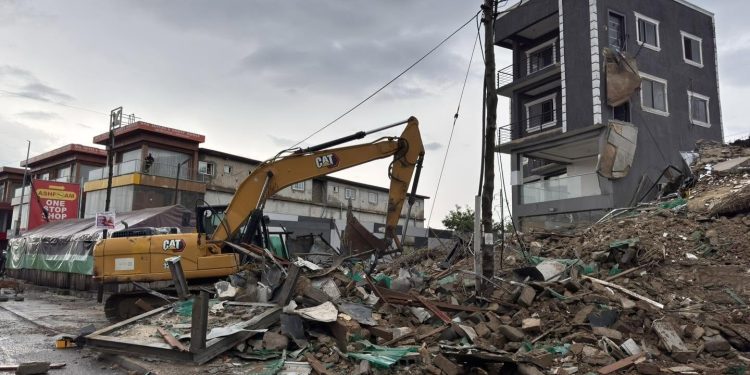
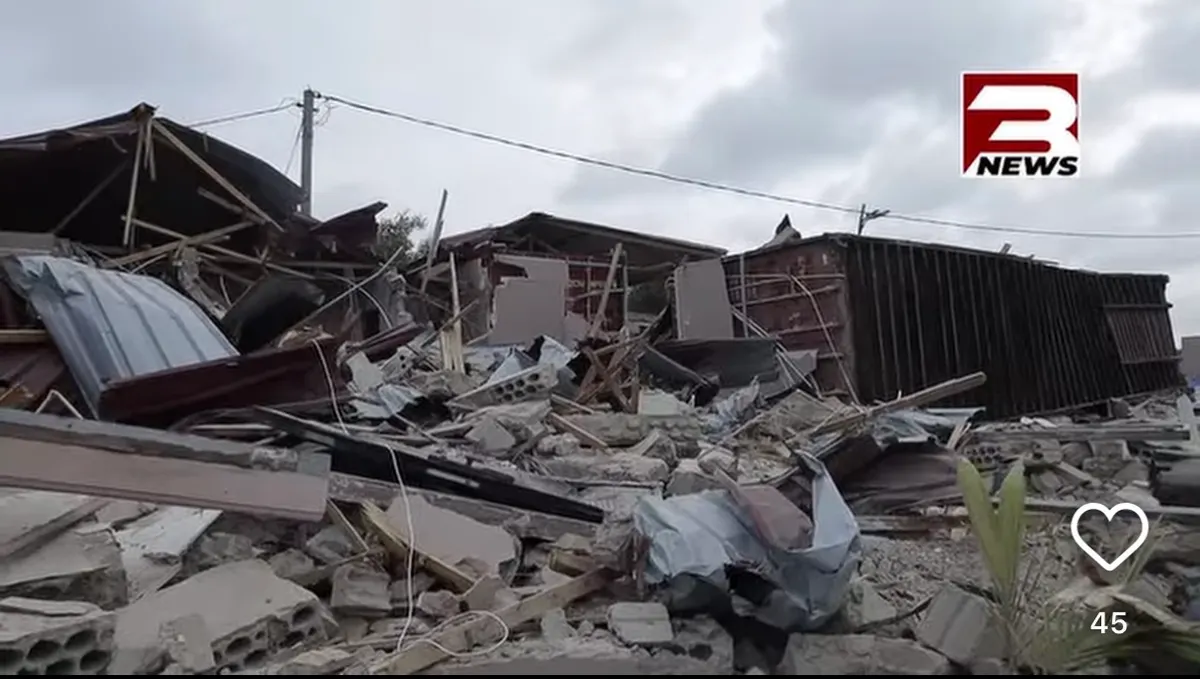
Ghana's construction industry faces a mounting crisis as buildings continue to collapse across major cities, claiming lives and destroying property whilst regulators and industry players remain largely unpunished. The problem is not new—yet solutions remain elusive, revealing deep systemic failures in oversight, professional capacity and accountability.
Between 2012 and 2014 alone, Accra recorded at least four major building collapses, including the Melcom building near Achimota in 2012 and the Grand View Hotel at Nii-Boi Town in 2014, which together claimed 19 lives. Investigations consistently identified the same culprits: faulty construction, structural weaknesses, poor foundations and absent or fraudulent building permits. Yet remarkably, no contractors, engineers or officials have faced meaningful public consequences.
The regulatory vacuum: too few architects, too many unlicensed supervisors
The Ghana Institute of Architects has exposed a staggering gap in enforcement capacity. Ghana has 261 metropolitan, municipal and district assemblies—bodies mandated to supervise and enforce building codes—but only about 10 qualified architects across all of them. This shortage forces unqualified personnel to oversee construction, creating a system where buildings are inspected and approved by people with no architectural training.
This regulatory failure is compounded by inadequate engineering oversight. Without architects or engineers present at assemblies, no one with proper expertise supervises construction sites or validates building permits. The result is a predictable chain: improper design approval, unsupervised construction, and structural failure.
Substandard materials and profit-driven corners
Beyond staffing shortages, the quality of building materials circulating in Ghana's construction market poses an acute danger. Reinforcement bars advertised as meeting standard specifications are frequently found to be undersized when measured, directly compromising structural integrity. This suggests either deliberate fraud by suppliers or complete absence of material testing and certification before use.
The profit motive driving Ghana's construction boom has created perverse incentives: cutting costs on materials, skipping proper supervision, and rushing projects to completion matter more to many developers than safety. This mentality has become normalised, with weak enforcement allowing negligent practices to continue unchecked.
What this means for Ghana's urban future
Building collapses are not inevitable accidents—they are failures of system and will. Other nations have learned hard lessons: the Babylonian era imposed execution on craftsmen whose structures failed, and Rome suffered catastrophic loss at the Fidenae Amphitheatre in 27 C.E., when an estimated 20,000 people died in a single collapse. Ghana has not yet chosen to learn.
Addressing the crisis requires multiple interventions: recruiting and deploying architects to all district assemblies, establishing material testing laboratories to verify construction supplies, enforcing meaningful penalties for negligence, and raising professional standards across the industry. One private company, MC Bauchemie, has pledged to train 7,000 engineers and technicians over five years—a meaningful step, but insufficient without broader systemic reform.
Until Ghana's government, regulators and construction industry prioritise structural safety over profit margins, and until negligence results in real consequences, buildings will continue to fall and Ghanaians will continue to die.
Source: The Ghana Report

Comments (0)
Be the first to comment.