
Expert warns government to slow down on Korle Lagoon housing plans, calls for proper study
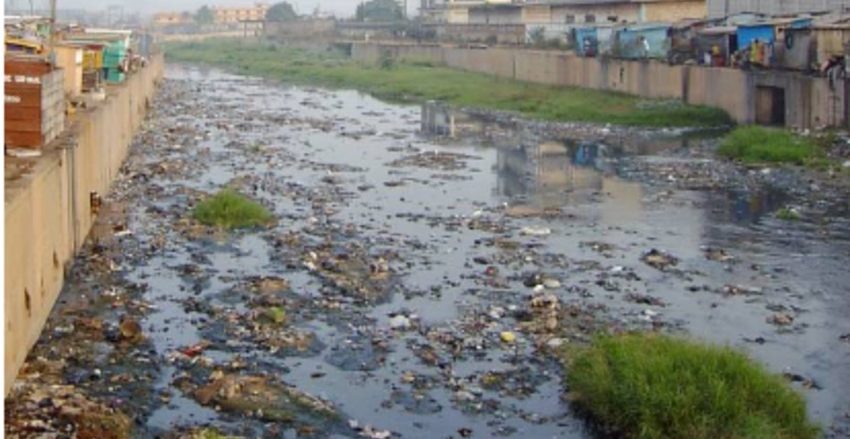

A senior urban planning expert has sounded a warning over the government's pace in pursuing its ambitious redevelopment of the Korle Lagoon area in Accra, arguing that proper planning and engineering studies must come before any construction begins.
Associate Professor Isaac Arthur, Director of the Centre for Urban Management Studies at the University of Ghana, supports the need to revitalise the notoriously problematic lagoon enclave but fears that rushing the proposed high-rise container housing scheme could create unforeseen difficulties down the line. His caution comes after Local Government Minister Mahama Ayariga announced plans to transform the settlement into an organised community featuring container housing, dumpsite clearance, and lagoon dredging to tackle long-standing flooding, sanitation and environmental challenges.
The risks of speed over substance
Prof. Arthur raised several concerns about the current approach. He questioned whether container housing is genuinely the best solution for the area, and more critically, whether the project can be sustained long-term—particularly if low-income residents cannot afford the cost of essential services like waste collection.
A significant part of today's sanitation crisis, he noted, stems from residents' inability to pay for formal waste-management services, which has led to indiscriminate dumping into the lagoon itself. Without addressing this underlying economic reality, the new development risks repeating the same problems that plague the current settlement.
Prof. Arthur also urged deeper investigation into the area's geography and topography before construction starts, emphasising that alternative locations should be explored to prevent future environmental or safety disasters.
What the original plan looked like
His concerns gain weight when set against historical precedent. A planning scheme developed for the Accra-Korle Lagoon area in the 1970s had envisioned a far different future: roughly 80 to 90 per cent of the space reserved as green and recreational areas—football pitches, cricket grounds, and open spaces—as a deliberate strategy to manage flooding and protect the environment.
That vision was fundamentally different from the current proposal to densify the area with housing. While Prof. Arthur acknowledged that waterfront development could enhance Accra's appearance, he questioned whether that aesthetic gain was worth sacrificing flood management and environmental sustainability.
Why it matters for Ghana
The Korle Lagoon redevelopment is not simply a local Accra issue. The project reflects broader questions about how Ghana balances urgent housing needs—particularly for low-income populations—against environmental protection and long-term urban planning.
Accra faces genuine housing shortages, especially in informal settlements, making the government's intent understandable. However, the Korle Lagoon area's history of environmental degradation, flooding, and sanitation failure suggests that solutions must be grounded in proper planning rather than ambition alone. A poorly executed project risks wasting public resources while failing to genuinely improve residents' lives—or worse, creating new crises.
The broader lesson: Ghana's development projects, especially those affecting vulnerable populations in sensitive environmental zones, require the rigour of planning and engineering that Prof. Arthur advocates. Speed and visibility matter far less than sustainability and safety.
Source: The Ghana Report



Comments (0)
Be the first to comment.