
Ghana's banking sector meets capital standards: what it means for your business and jobs

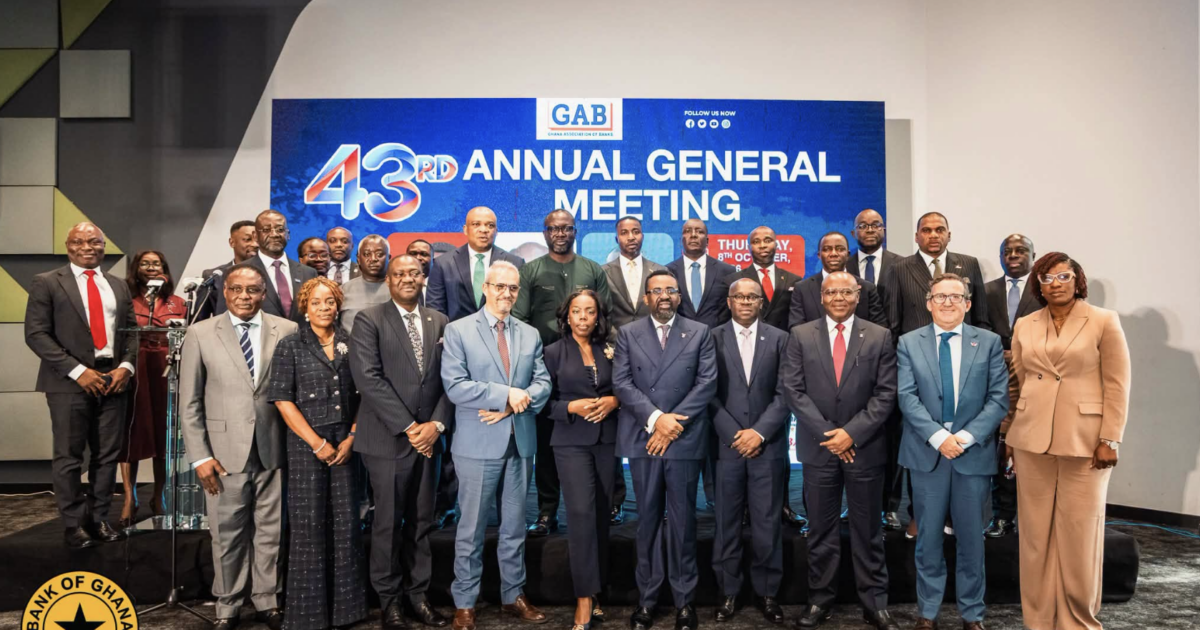
Ghana's entire banking sector has cleared a crucial financial health check, with all 23 licensed banks meeting regulatory capital requirements set by the Bank of Ghana. The milestone signals improved stability in the system and opens the door for expanded lending to businesses and households across the country.
Edward Ato Sarpong, Managing Director of Agricultural Development Bank (ADB) PLC, has hailed the achievement as a turning point for Ghana's economy. He argues that when banks maintain stronger capital positions—the financial cushion they hold against losses—they are better equipped to lend to small traders, farmers, manufacturers and other enterprises that drive job creation.
Why it matters for Ghana
A well-capitalised banking sector directly affects ordinary Ghanaians. When banks are financially strong, they tend to offer credit more freely and at better rates. This matters for entrepreneurs seeking loans to expand shops or farms, for manufacturers needing working capital, and for households looking to finance homes or education.
For Ghana specifically, this development addresses a longstanding challenge: access to affordable credit. Many Ghanaian businesses, particularly small and medium enterprises, have historically struggled to obtain loans from banks. A resilient banking system with adequate capital buffers is more confident in lending to riskier ventures, which is where most job creation happens.
The achievement also matters for Ghana's international credibility. Foreign investors consider banking system stability when deciding whether to commit money to a country. A banking sector that meets global standards makes Ghana a more attractive investment destination and can help lower borrowing costs for the government itself.
Building discipline, not just meeting requirements
Sarpong emphasised that capital strength is about more than ticking regulatory boxes. He stressed that banks must combine financial discipline with good governance and responsible risk management. This distinction is important: a bank can meet minimum capital requirements but still fail if it makes reckless lending decisions or suffers from poor management.
The central bank's supervisory role has been crucial in achieving this milestone. Effective regulation ensures banks do not take excessive risks that could threaten the entire system—a lesson Ghana learned painfully during previous banking sector crises that saw several institutions collapse.
The road ahead
While this achievement is significant, Sarpong cautioned that sustaining progress requires continued vigilance. Economic conditions change, and new risks—from inflation and exchange rate volatility to cyber threats—constantly emerge. Banks must adapt whilst maintaining the trust of depositors and the confidence of the public.
Success will also depend on government and the central bank maintaining consistent, sound policies. A supportive macroeconomic environment—stable exchange rates, controlled inflation, predictable tax policies—helps banks operate sustainably and encourages them to extend credit.
The stakeholder collaboration Sarpong called for extends beyond banks to businesses, investors, and civil society. Ghana's banking sector does not operate in isolation; it reflects and supports the broader economy. For the gains made to translate into real benefits—more jobs, more businesses, stronger growth—all parts of the system must work together.
Source: The Ghana Report


Comments (0)
Be the first to comment.