
Ghana's AI Revolution: How Data Could Transform Healthcare, Agriculture and Beyond

Ghana stands at a critical juncture in the global artificial intelligence revolution, with leading academics and policymakers now calling for the country to transform its vast, largely unexploited data reserves into practical solutions for healthcare, agriculture, and climate resilience. The clarion call comes as investment in African AI has surged dramatically—from approximately $1.2 billion five years ago to an estimated $4.1 billion today—signalling both opportunity and urgency for nations that move decisively.
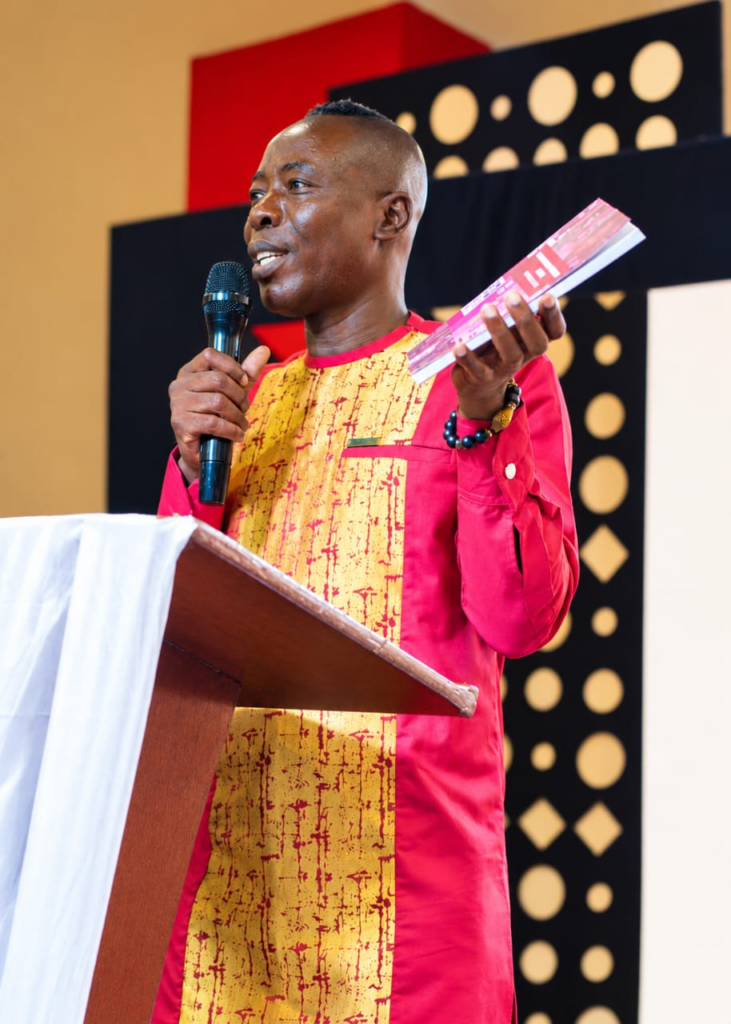
Professor Samuel Kojo Kwofie, Director of the Institute of Applied Science and Technology (IAST) at the University of Ghana, has emerged as a vocal champion for this transformation. Speaking at the 2026 Day of Scientific Renaissance of Africa, he articulated a vision of equitable development powered by AI: access to healthcare regardless of location, quality education for all, food security, and economic opportunities for marginalised communities including women, youth, and persons with disabilities.
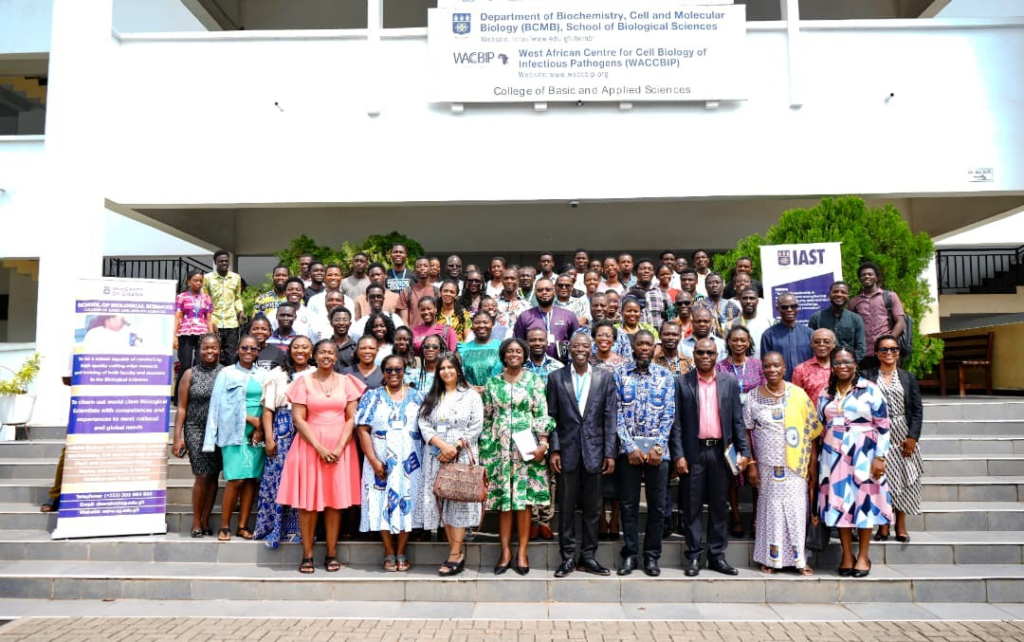
"Ghana and Africa at large have a wealth of data that remain unused to create solutions for health, agriculture, climate change and beyond," Prof. Kwofie told the gathering at the University of Ghana's School of Biological Sciences.
Ghana's Emerging AI Strategy
Ghana has already taken decisive action. Earlier this year, President John Dramani Mahama launched the National Artificial Intelligence Strategy 2025–2035, a comprehensive roadmap envisioning "GHANA 2035: THE AI-POWERED SOCIETY." The strategy positions AI as a catalyst for inclusive social and economic transformation across government, businesses, and public systems. Underpinning this ambition is the Data Protection Act 2012 (Act 843), which establishes privacy safeguards essential for responsible AI development and deployment.
Yet Prof. Kwofie emphasises that policy frameworks alone are insufficient. He has challenged Ghana's universities—particularly the University of Ghana—to reimagine themselves as AI-powered institutions within the next decade. "We cannot afford to be spectators in this revolution," he stressed. "Our universities must lead in developing AI-driven solutions that address our unique African challenges."
Real-World Applications Already Taking Root
The case for urgency becomes evident when examining practical innovations already deployed across Ghana and the continent. AI-powered agricultural systems are delivering weather forecasts, market information, and crop disease diagnostics to smallholder farmers via WhatsApp in local languages including Twi—eliminating costly infrastructure barriers. Other platforms connect farmers directly to markets, bypassing exploitative middlemen who have historically captured farmer earnings.
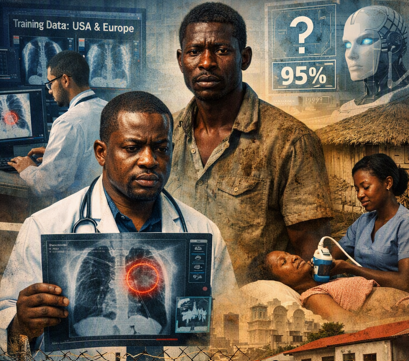
Healthcare innovations are equally compelling. Mobile ultrasound systems powered by AI now enable traditional birth attendants in rural communities to detect pregnancy complications without requiring expert operators or state-of-the-art facilities. The University of Ghana's own projects—including open-source ventilator designs and AI-driven conversational agents for prenatal risk monitoring—embody this commitment to accessible, affordable healthcare solutions.
Why This Matters for Ghana
The stakes for Ghana extend beyond technology adoption. A nation that successfully harnesses AI for agricultural productivity could strengthen food security and rural incomes—crucial for a country where agriculture remains central to millions of livelihoods. Enhanced AI-driven healthcare solutions could save lives in underserved communities and reduce the burden on overstretched public health facilities. Climate resilience through data-driven agriculture and disaster prediction could mitigate increasingly volatile weather patterns affecting harvests.
Prof. Kwofie emphasises what he terms "frugal innovation"—achieving more with fewer resources. This approach resonates powerfully in Ghana's context, where high-tech solutions with expensive infrastructure requirements often fail to reach rural populations. By designing AI systems for low-bandwidth environments, local languages, and smartphones rather than specialised equipment, Ghana can ensure innovations benefit the majority rather than urban elites.
The IAST itself exemplifies this approach, operating seven cross-cutting units including AI, Data Science and Engineering platforms that train youth while translating research into community-applicable products. The Institute positions itself as a bridge connecting academia, industry, and society—a model other Ghanaian institutions must emulate.
For Ghana, the message is clear: the competitive advantage belongs not to nations with the most advanced technology, but to those that democratise AI and ensure it serves collective development priorities. With strategy in place and practical innovations already demonstrating impact, Ghana has an opportunity to lead Africa's AI-driven equitable development—if universities, government, and industry align their efforts urgently.
Source: MyJoyOnline

Comments (0)
Be the first to comment.