
Ghana must urgently build climate resilience into economic planning, experts warn
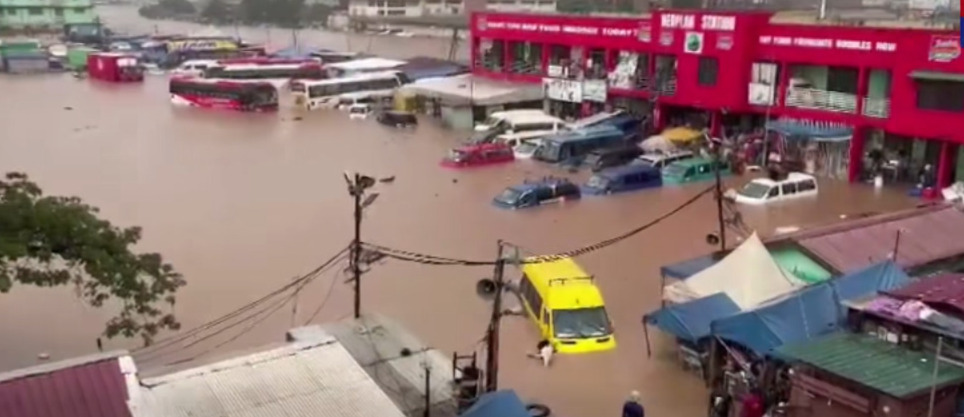
Climate change is no longer a distant threat for Ghana—it is an immediate economic crisis reshaping how the nation must plan for growth, food security, and infrastructure stability. Rising temperatures, unpredictable rainfall, devastating floods, and prolonged droughts are forcing policymakers and business leaders across the continent to treat climate adaptation as a core economic priority, not a secondary environmental concern.
Ghana's economy, heavily dependent on agriculture, water resources, and coastal infrastructure, faces particular vulnerability. Farming communities across the country already contend with erratic weather patterns that undermine crop yields and livestock productivity. The Volta Lake, critical to Ghana's hydroelectric power generation and food production, fluctuates dramatically with changing rainfall, creating uncertainty for energy supply and rural livelihoods. Coastal cities like Accra face escalating flood risks and saltwater intrusion that threaten both infrastructure and commercial activity.
Why climate adaptation matters for Ghana's economy
The economic stakes are substantial. When extreme weather disrupts transport networks, damages ports, interrupts power generation, or destroys agricultural output, recovery costs mount rapidly whilst businesses and investors lose confidence. Ghana's public finances are already stretched; climate-related disasters create additional pressure on government budgets that could otherwise fund education, healthcare, and development priorities.
Unlike Europe, where climate adaptation discussions focus on strengthening already-robust infrastructure, Ghana must build resilience into systems still under development. This requires strategic investment in flood defences for vulnerable communities, drought-resistant crop varieties suited to local conditions, improved water management systems, and diversified energy sources less dependent on rainfall variability.
The agricultural sector demands urgent attention. Smallholder farmers—who form the backbone of Ghana's rural economy—lack access to climate-smart farming techniques, modern irrigation, and early warning systems. Without investment in adaptation now, crop failures will intensify rural poverty, trigger food insecurity, and drive migration to already-crowded urban centres.
Building a climate-resilient future
Global experience shows that adaptation requires coordinated action across government, business, and communities. Governments must integrate climate risk into long-term planning for infrastructure, agriculture, and energy. Businesses must strengthen supply chain resilience and invest in technologies that reduce climate vulnerability. Financial institutions must prioritise climate risk assessment when approving loans and investments.
Ghana has made commitments under international climate agreements, but translating these into concrete economic policy remains incomplete. The National Adaptation Programme and sectoral policies exist on paper, but implementation at community level often lags. Coordinating between ministries, securing sustainable funding, and ensuring local communities have voice in adaptation planning remain persistent challenges.
The cost of inaction far exceeds the cost of planning now. Every year of delayed investment in climate resilience increases future adaptation costs whilst reducing economic competitiveness. Countries that integrate climate risk into economic governance today will be better positioned to attract investment, maintain productivity, and protect vulnerable populations tomorrow.
For Ghana, climate adaptation is not an optional sustainability initiative—it is an economic necessity. As climate impacts intensify across West Africa, the nation's ability to sustain growth, food security, and poverty reduction depends on building resilience into every aspect of economic planning. The time for delayed action has passed.
Source: MyJoyOnline
.jpg)


Comments (0)
Be the first to comment.