
The Silent Struggle: Why Ghanaian Men Don't Report Domestic Abuse
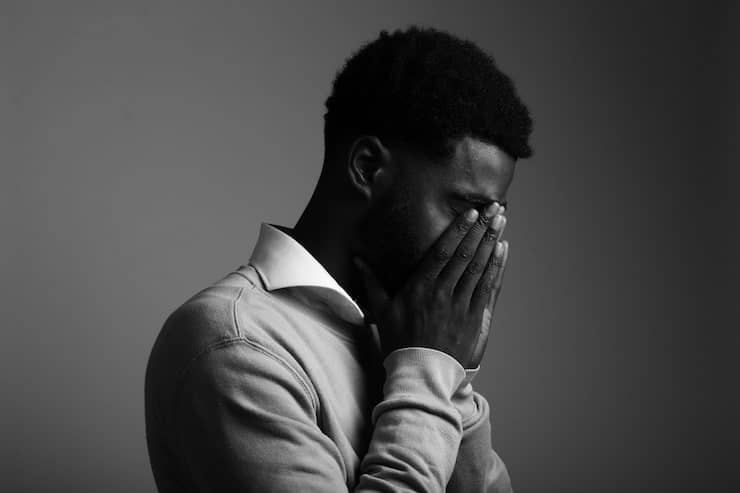
Domestic abuse in Ghana remains predominantly discussed through the lens of female victimhood, obscuring a painful reality: many men experience abuse but stay silent, trapped by cultural expectations of strength and masculine invulnerability. A growing body of research, including studies from Ghanaian universities, reveals that stigma, fear of disbelief, and toxic masculinity are erecting barriers that keep male victims trapped in abusive relationships.
The psychological toll is significant. According to counsellors working with abuse survivors, men experiencing domestic violence often exhibit withdrawal from social circles, chronic anxiety, depression, eroded self-esteem, and a paralysing fear of angering their partners. Yet these warning signs frequently go unrecognised because society assumes men are inherently the stronger party in relationships, unable to be harmed.
The Masculinity Trap
From boyhood, Ghanaian culture—like many societies—conditions males to "be strong," suppress emotion, and project invulnerability. While resilience has value, this conditioning creates a psychological prison for abuse victims. Admitting to abuse means confronting not just the immediate harm but also deep-seated fears: being labelled weak, losing respect as a family provider, facing ridicule from peers, or being dismissed entirely.
Research by Efua Esaaba Mantey, published in the African Journal of Social Work and housed at the University of Ghana Repository, examined male victims of domestic violence in Accra. The study documented how stigma, societal masculinity norms, and the reasonable fear of disbelief combine to silence men. Seven years after publication, these barriers persist largely unchanged.
The reluctance to engage is tangible. Recently, male students at the University of Media, Arts and Communication – Institute of Journalism declined to participate in discussions about abuse reporting, illustrating how sensitive and fraught the topic remains even among educated young men who theoretically have platforms to speak.
Media Narratives and Social Consequences
Ghana's media landscape has inadvertently reinforced this silence. Domestic abuse coverage typically centres women as victims and men as perpetrators—a reflection of real patterns but one that renders male victims invisible. This invisibility matters: without visible examples of men being believed and supported, other men have no template for disclosure.
Worse, when Ghanaian men have shared their experiences online, responses have often been dismissive or mocking rather than empathetic. Such ridicule functions as a warning to other potential speakers: your pain will be joked about, not taken seriously. The outcome is predictable: silence spreads.
Why This Matters for Ghana
Male silence on abuse has cascading consequences for Ghanaian families and communities. Untreated trauma in men can manifest as mental health crises, substance abuse, or—in severe cases—domestic violence perpetration, creating intergenerational cycles of harm. Additionally, the invisibility of male victims distorts public understanding of domestic abuse itself, making prevention and intervention efforts less comprehensive.
Counsellors and researchers call for urgent systemic change: balanced media coverage that acknowledges abuse affects all genders; confidential support services explicitly welcoming male survivors; and—most fundamentally—cultural conversations that redefine strength to include vulnerability, help-seeking, and emotional honesty.
Ghana has made strides in domestic violence awareness, but progress remains incomplete without addressing male victimhood. Until men can report abuse without fear of disbelief or ridicule, countless survivors will endure in silence—not from weakness, but from rational self-protection in a society that has yet to fully accept that abuse knows no gender.
Source: MyJoyOnline
Comments (0)
Be the first to comment.