
Quick-thinking firefighters save toddler's life in Eastern Region water rescue
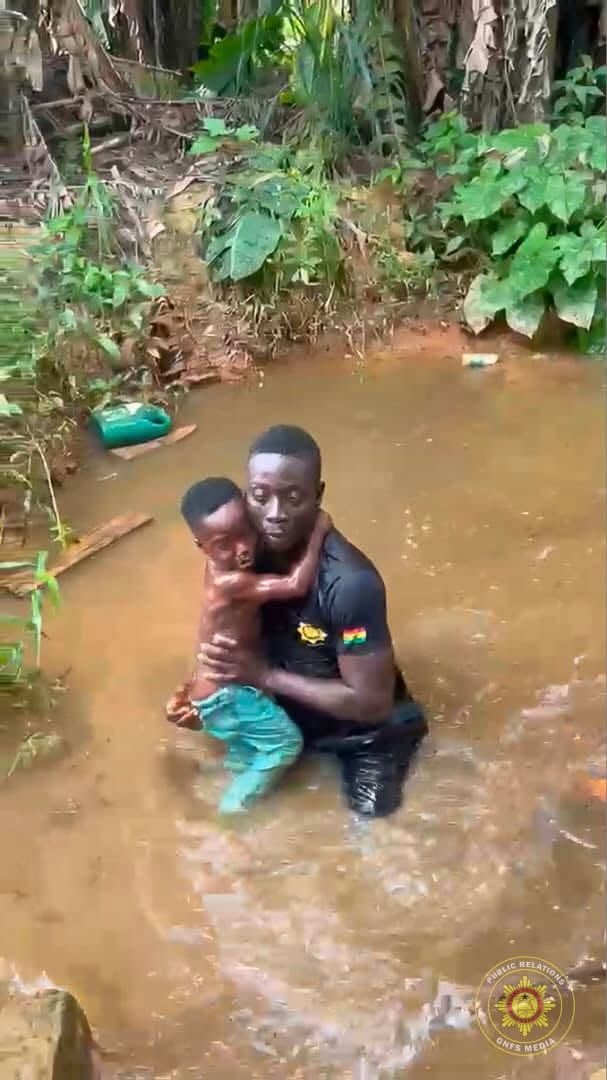
Personnel from the Nkawkaw Fire Station have been lauded for their swift intervention that saved the life of a three-year-old boy who nearly drowned in Kwamang, a community in the Eastern Region. The dramatic rescue unfolded as the Ghana National Fire Service (GNFS) team was conducting a community engagement exercise in the area, putting their training and readiness to immediate practical use.
The incident highlights both the unpredictability of water-related accidents involving young children and the critical importance of having trained emergency responders positioned across communities. The toddler's recovery underscores how seconds matter in drowning situations, where rapid response can mean the difference between life and death.
The broader picture of child safety in Ghana
Drowning remains a leading cause of unintentional injury and death among young children in Ghana, particularly in communities near water bodies. Many incidents go unreported, and access to prompt emergency services varies significantly between urban and rural areas. The Nkawkaw firefighters' presence during a community engagement exercise proved fortuitous—had they arrived minutes later, the outcome could have been tragic.
This rescue reinforces why the GNFS's community outreach initiatives are vital. Beyond responding to fires, the service increasingly focuses on water safety education and rescue operations, recognising that prevention and quick response are equally important in saving lives.
Why it matters for Ghana
Ghana's water safety record remains a concern, with rivers, lagoons, and coastal areas claiming lives each year, particularly among children who may lack swimming skills or proper supervision. Events like this rescue serve as a reminder to parents and guardians about the dangers posed by water, the need for constant vigilance, and the importance of teaching children basic water safety awareness from an early age.
The incident also underscores resource challenges facing the GNFS. While the Nkawkaw team's swift action prevented tragedy, many fire stations across Ghana remain under-resourced and understaffed. Adequate funding, training, and equipment are essential if the service is to respond effectively to emergencies—whether fire, flood, or water rescue—across all regions.
Additionally, this rescue demonstrates the value of community policing and engagement models where emergency services maintain visible presence and build relationships with residents. Such initiatives not only improve response times but also foster trust between communities and first responders.
Moving forward
Incidents like these should prompt broader conversations about water safety infrastructure in Ghana. Investing in swimming lessons for schoolchildren, providing life jacket distribution programmes in high-risk communities, and ensuring adequate GNFS staffing and equipment could prevent many preventable deaths.
The Nkawkaw Fire Station team's heroic intervention deserves recognition, but their success should inspire systemic improvements that extend life-saving capacity across the entire country.
Source: 3News

Comments (0)
Be the first to comment.