
Ghana's Poultry Crisis: Can Domestic Production Bridge the 87% Import Gap?
Ghana faces a stark food security challenge: the nation consumes approximately 452,100 tonnes of chicken annually but produces only about 60,000 tonnes domestically. This staggering gap means roughly 87% of the chicken on Ghanaian tables is imported—a dependency that raises serious questions about long-term economic resilience and household food costs.
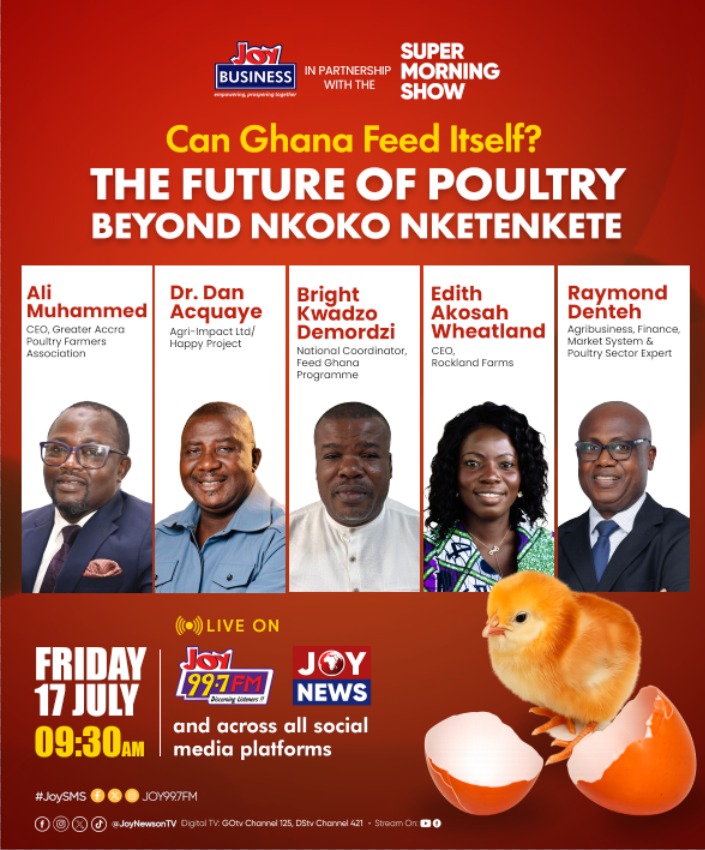
To address this crisis, Joy Business and the Super Morning Show are convening a high-level roundtable discussion tomorrow under the theme "Can Ghana Feed Itself? The Future of Poultry Beyond Nkoko Nketenkete." The event brings together government officials, farmers, financiers, researchers and industry operators to dissect why decades of policy interventions have failed to close the production gap and what structural reforms are needed.
The Scale of the Challenge
The numbers illustrate the enormity of the task ahead. Ghana currently raises approximately 30 million birds annually but would need to produce roughly 226 million birds per year to meet domestic demand—a 7.5-fold increase from current levels. Put differently, fewer than one chicken per Ghanaian is raised locally today.
This import dependency carries real costs for consumers and the national economy. Rising global feed and transportation prices directly inflate the cost of chicken at the market, while millions of cedis in potential local economic activity flow to foreign producers instead of supporting Ghanaian farmers and processors.
Why It Matters for Ghana
Food security underpins economic stability and household welfare across Ghana. High poultry imports drain foreign exchange reserves whilst constraining the growth of a sector that could create significant employment opportunities in production, processing, distribution and marketing. With rural poverty rates particularly high in agricultural regions, a thriving domestic poultry industry could improve rural incomes and reduce urban migration pressures.
The roundtable comes as the government launches a fresh phase of its Akoko Nketenkete ("one million one" in Twi) programme, signalling renewed political commitment to poultry sector transformation. However, previous initiatives—stretching back to 1992—have yielded limited results, raising legitimate questions about implementation capacity, coordination and whether current strategies address root causes.
Key Voices Shaping the Conversation
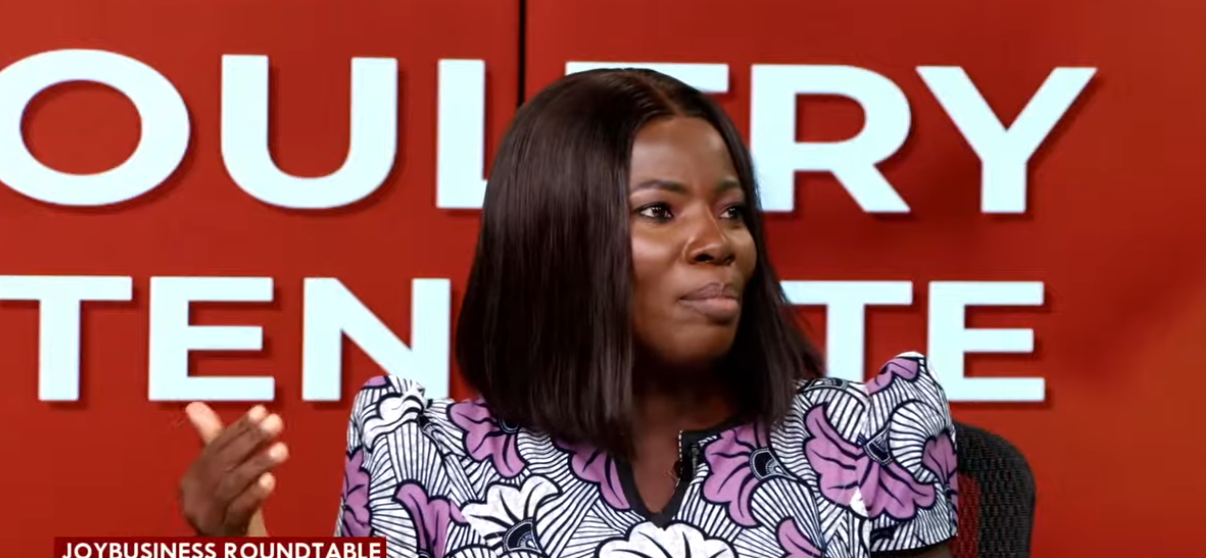
The discussion will feature perspectives across the entire value chain. Raymond Denteh, lead consultant for the National Poultry Sector Master Plan, will diagnose structural weaknesses that have resisted past reforms. Ali Muhammed, representing frontline farmers through the Greater Accra Regional Poultry Farmers Association, will voice production realities including feed cost volatility, financing barriers and competition from cheaper imports. Edith Akosah Wheatland, operating as a farmer, processor and feed producer, will pinpoint where Ghana loses economic competitiveness—from feed production through to marketing.
Dr Dan Acquaye and Bright Demordzi will outline strategic pathways and government objectives, whilst a special Joy Research presentation will map three decades of policy interventions, their achievements and failures.
The roundtable will examine financing solutions, draw lessons from successful poultry industries across Africa, and identify practical reforms needed to shift Ghana from fragmented, subsidy-dependent schemes toward a commercially viable, self-sustaining industry. Whether tomorrow's discussion yields actionable consensus will be crucial—Ghana's food security, rural prosperity and import bill may depend on it.
Source: MyJoyOnline

Comments (0)
Be the first to comment.