Ghana leads African push for slavery reparations as Britain threatens visa restrictions
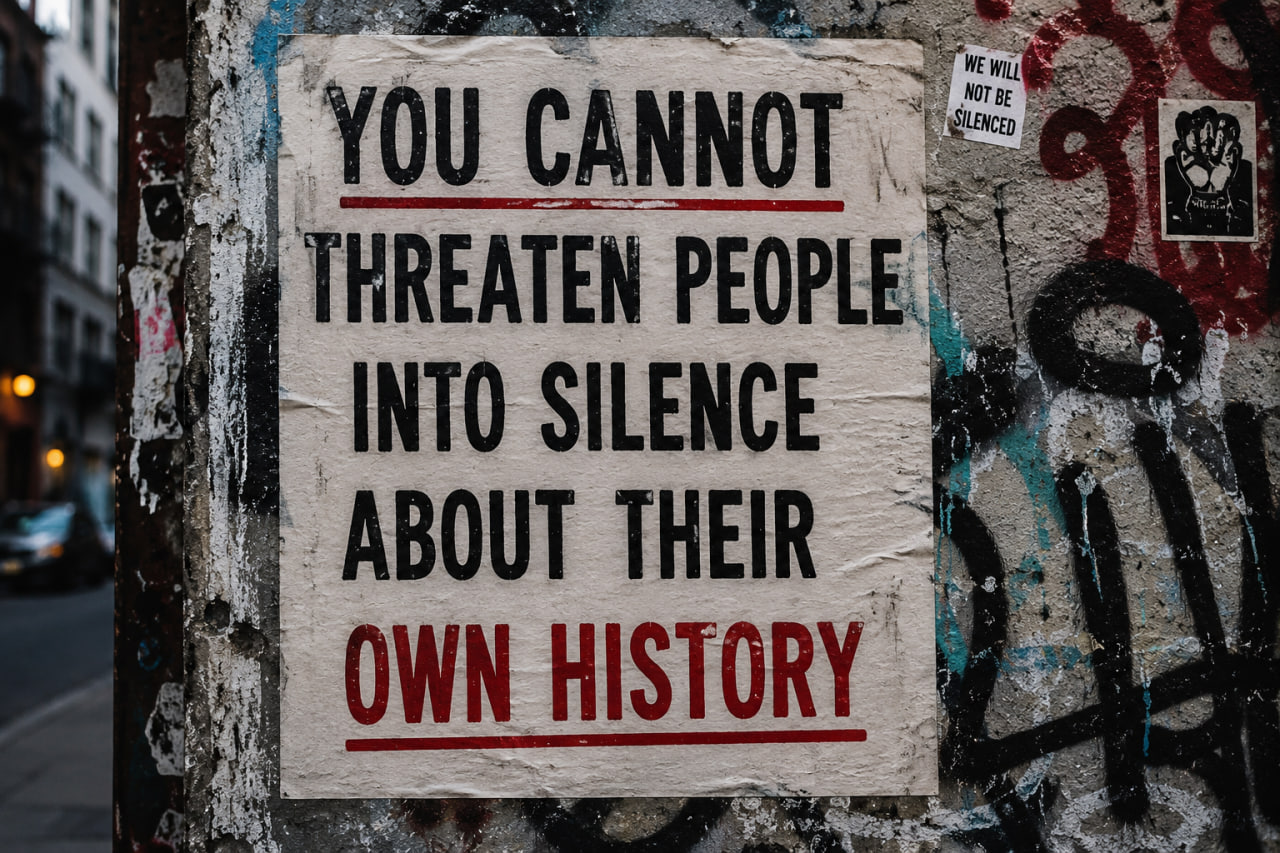
Ghana's leadership in global reparations movement
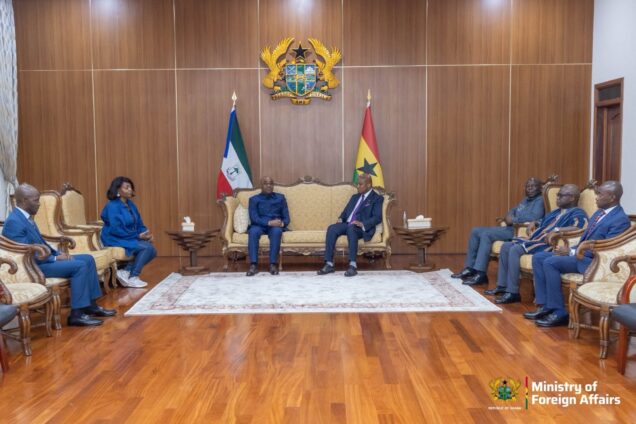
Ghana has emerged as a central force in the international campaign for reparations related to the transatlantic slave trade. President John Dramani Mahama, serving as the African Union's Champion for Reparatory Justice, spearheaded efforts that resulted in UN Resolution A/RES/80/250, adopted by 123 member states in March 2026. The resolution formally declared the transatlantic enslavement of Africans as the gravest crime against humanity, marking a significant diplomatic victory for African nations seeking accountability.
President Mahama has consistently framed reparatory justice not as rewriting history or assigning personal guilt to living individuals, but as a necessary acknowledgement that whilst history cannot be changed, its consequences can be addressed. The lingering inequality, poverty, and stunted development affecting formerly colonised nations are not random occurrences, but rather the accumulated compound interest of centuries of extraction and exploitation.
Britain's controversial response
The movement has faced sharp resistance from Britain's Reform UK party, which has proposed introducing visa restrictions against nationals of countries seeking reparations. This proposal has drawn fierce condemnation from reparations scholars and activists. Sir Hilary Beckles, Chairman of the CARICOM Reparations Commission, described the initiative as a legacy of toxic racism and a continuation of colonial attitudes, characterising visa restrictions as "punishing the victims all over again".
Economic leverage proposed as solution
Prominent Pan-African advocate Dhoruba Bin Wahad has called for a more assertive approach to securing reparations. Rather than relying on petitions or UN resolutions, Bin Wahad argues that Africa should leverage its vast mineral wealth—including cobalt, coltan, and lithium essential to global digital and green economies—to demand reparations. He has proposed that Britain and other former colonial powers should face a 25 percent reparations surcharge or tariff on access to African mineral resources, or receive none at all.
The proposal underscores a fundamental shift in how African nations and the diaspora are framing the reparations debate: not as a request for charity, but as a legal and moral claim for repair of documented, quantifiable harm from which Britain profited extensively.
Source: MyJoyOnline

Comments (0)
Be the first to comment.