
Ghana Hotels Association pushes NIA for clarity on new card verification rules


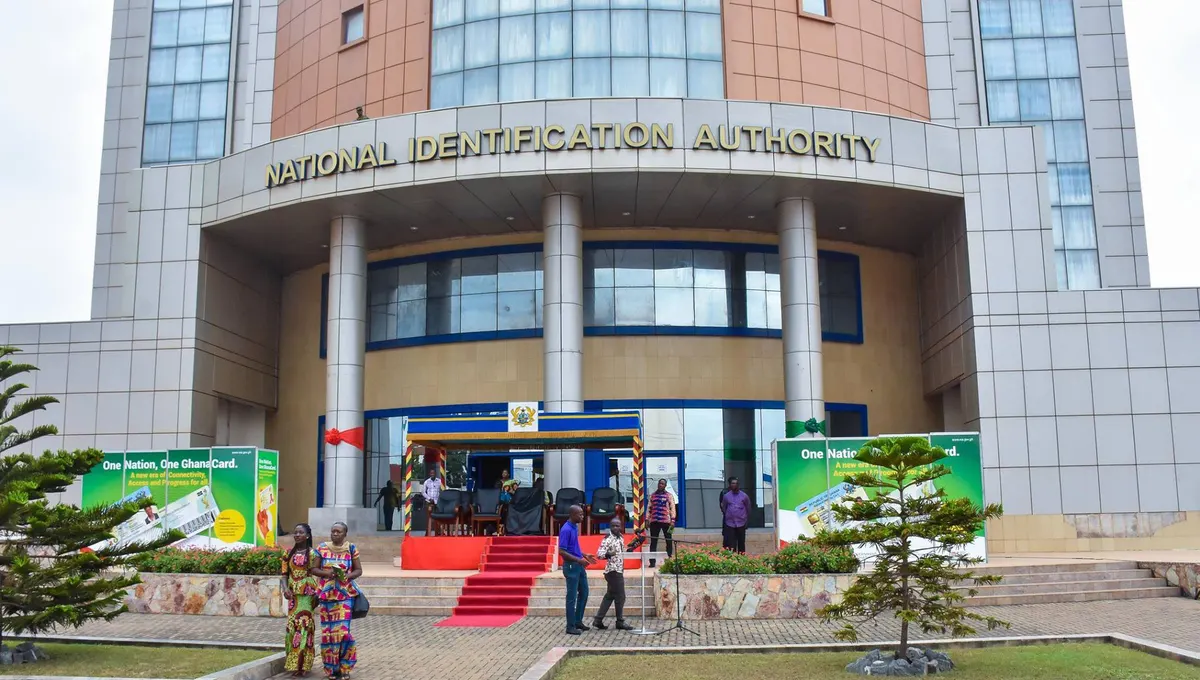
Ghana's hospitality sector faces an operational bottleneck following a sweeping policy change by the National Identification Authority (NIA) that has left hotels, guest houses, and resorts without clear guidance on how to verify guest identities legally.
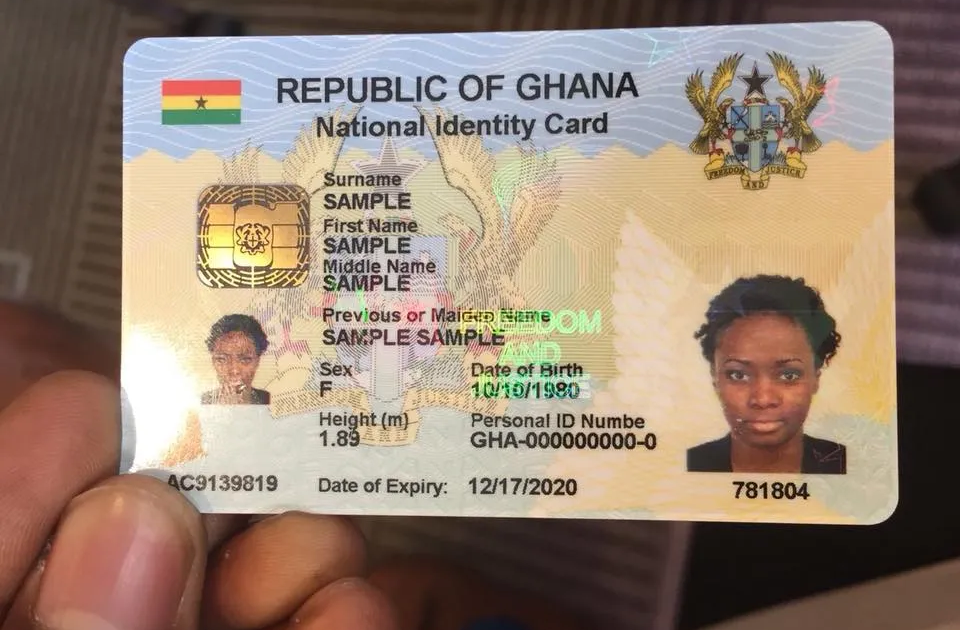
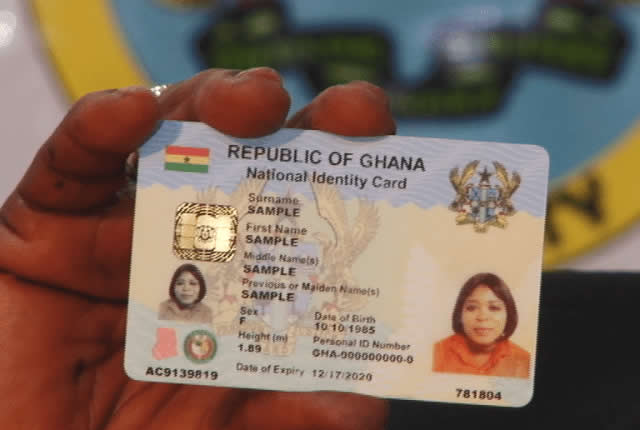
The amended National Identity Register Regulations have prohibited the longstanding practice of photocopying or visually inspecting the Ghana Card, replacing it with a strict biometric verification requirement. The sudden shift has alarmed business operators who depend on identity checks for essential security and compliance functions.
The Ghana Hotels Association (GHA), represented by President Victor Opoku Minta, has issued an urgent statement calling on the NIA to provide concrete answers about which electronic and biometric verification methods are legally permissible for private businesses. Without this clarity, hoteliers say they risk operating in a compliance vacuum that could expose them to regulatory action.
What hoteliers actually need
Hotels and guest houses use identity verification at multiple operational touchpoints: confirming guest identities during check-in, vetting employees, preventing fraud, and maintaining records that satisfy requirements from law enforcement and the Ghana Immigration Service. These functions are not novel—they form part of international security standards that protect guests, staff, and property from criminal activities.
The GHA has stressed that capturing guest data is not an invasion of privacy but a necessary security measure aligned with global hospitality practices. The problem is not the regulation itself, but the absence of a workable technical pathway to implement it. Hoteliers need answers on:
- Which electronic or biometric systems the NIA considers compliant
- How businesses should integrate these systems into existing check-in workflows
- What timeline they have to transition from current practices
- Whether the NIA will provide technical guidance or approve specific platforms
Why this matters for Ghana
This dispute sits at the intersection of three critical national interests: digital identity infrastructure, tourism competitiveness, and security.
Ghana's tourism sector is a significant revenue source and employer. Any operational friction that makes it harder for hotels to function—or that forces them into legal grey areas—risks undermining business confidence and guest experience. International tourists expect smooth check-in processes; complicated or unclear verification procedures could damage Ghana's hospitality reputation.
At the same time, the NIA's push toward biometric verification reflects legitimate security modernisation. Biometric data is harder to forge than a photocopy, and it creates stronger audit trails for law enforcement. The underlying policy direction is sound.
The gap is between policy intention and operational reality. The NIA has issued a directive but appears not to have coordinated with the hospitality sector or provided a transition plan. This is a coordination problem, not a fundamental conflict of interests.
Next steps
The GHA's appeal signals that the industry is ready to comply but needs the NIA to move quickly. This requires:
- A formal NIA communication clarifying which verification methods are legally approved for hotels
- Technical specifications for approved biometric systems
- A reasonable timeline for compliance
- Engagement between the NIA, GHA, and technology providers to pilot solutions
Ghana has invested significantly in the Ghana Card as a foundational identity platform. Making it work across both public and private sectors—without creating operational chaos—is a test of implementation maturity. The NIA and hospitality sector should treat this as a shared objective, not an adversarial standoff.
Source: Today GH


Comments (0)
Be the first to comment.