
Ghana and West Africa Poised for Economic Uplift as Reforms Begin to Bear Fruit, Says Standard Bank


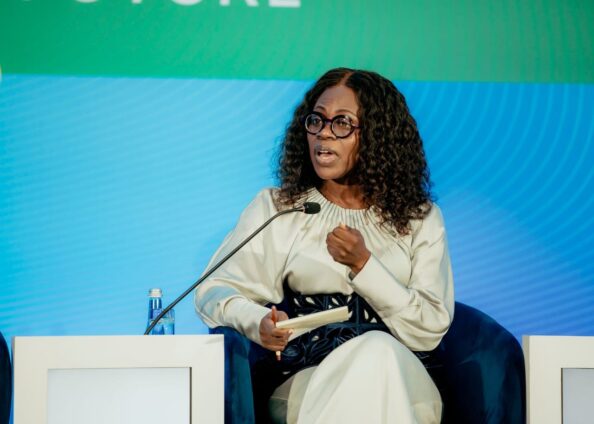
Ghana and the broader West African region are on the cusp of a meaningful economic turnaround, according to Ghulam Balim, chief economist at Standard Bank Group, one of Africa's largest financial institutions. Balim says the region is transitioning from years of modest low single-digit growth rates into more robust mid-single-digit performance — a shift he attributes to ongoing structural reforms and improving investor confidence.
A Region Turning a Corner
For much of the past decade, West African economies — including Ghana — have grappled with fiscal pressures, currency volatility, rising debt burdens and the lingering effects of global shocks such as the COVID-19 pandemic and the surge in commodity prices triggered by the Russia-Ukraine conflict. These headwinds suppressed growth across the region and pushed several governments into difficult negotiations with international creditors.
Ghana itself endured one of its most severe economic crises in a generation, requiring a bailout programme from the International Monetary Fund (IMF) and a painful domestic debt restructuring exercise that rattled investors and ordinary savers alike. Against that backdrop, the assessment from a senior economist at an institution with deep roots across the continent carries considerable weight.
Balim's view is that the reform efforts being undertaken — covering fiscal consolidation, monetary policy adjustments and efforts to attract foreign direct investment — are beginning to translate into tangible improvements in growth prospects. The shift from low to mid-single-digit growth may sound incremental, but for economies of this size, it represents a significant improvement in living standards, job creation potential and government revenue generation.
Why It Matters for Ghana
For Ghana specifically, the timing of this assessment is significant. The country has been working steadily through its IMF-supported recovery programme, with the government focused on restoring macroeconomic stability, rebuilding foreign exchange reserves and regaining the confidence of both domestic and international investors.
A sustained move into mid-single-digit growth would help Ghana accelerate its path out of the debt crisis, ease pressure on the cedi, and create the fiscal space needed to invest in public services, infrastructure and social programmes that were squeezed during the austerity period. It would also signal to global capital markets that Ghana is once again a credible and attractive destination for investment.
Beyond Ghana, a stronger West Africa growth story has implications for regional trade, the ambitions of the ECOWAS single market, and the broader narrative around African economic resilience. Investors who had grown cautious about the region may begin to revisit opportunities in sectors ranging from energy and agriculture to financial services and technology.
Cautious Optimism Required
While the Standard Bank assessment is encouraging, analysts consistently caution that reform momentum must be maintained for growth projections to materialise. Structural challenges remain — including infrastructure deficits, youth unemployment, climate vulnerability and governance concerns in parts of the region. Political transitions in several West African states have also introduced uncertainty that investors watch closely.
Nevertheless, the endorsement of the region's trajectory from a major continental financial institution adds to a growing body of opinion suggesting that West Africa, and Ghana in particular, may be emerging from its most difficult economic chapter in years. For businesses, policymakers and ordinary Ghanaians who have weathered a punishing cost-of-living crisis, that prospect will be a welcome one — even as the work of consolidating those gains remains very much in progress.
Source: 3News

Comments (0)
Be the first to comment.