Ghana advances nuclear power plans as government confirms readiness for Phase Two development
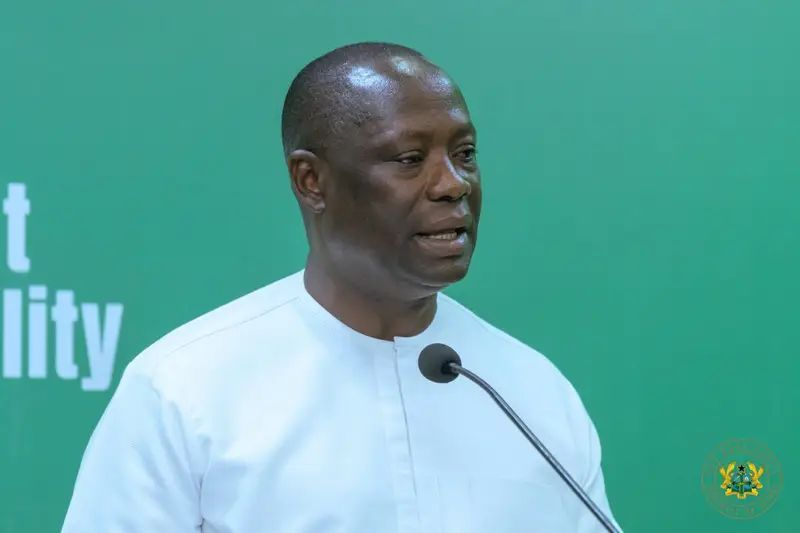
Ghana's government has publicly reaffirmed its commitment to incorporating nuclear power into the national energy mix, marking a significant step beyond preliminary planning towards concrete implementation. Speaking at the third US-Africa Nuclear Energy Summit in Accra this week, Energy Minister John Jinapor and Acting Environment Minister Emmanuel Armah-Kofi Buah outlined the country's advanced progress and strategic necessity for nuclear energy as Ghana seeks to meet rapidly growing electricity demands.
Ghana's Energy Challenge and Nuclear Solution
The rationale behind Ghana's nuclear ambition is clear: electricity demand has surged dramatically from approximately 300 megawatts when the Akosombo Dam was commissioned to around 4,500 megawatts today. Currently, most of Ghana's generation capacity relies on thermal sources, a dependency that poses both economic and environmental challenges. Minister Jinapor emphasised that nuclear energy would be cardinal to the country's strategy to diversify generation sources and provide reliable, low-carbon electricity needed to support industrial expansion and economic development.
The government is pursuing a three-pronged approach combining natural gas, renewable energy and nuclear power to create a balanced and resilient energy system. This diversification strategy addresses Ghana's vulnerability to fuel price fluctuations and supply disruptions whilst reducing carbon emissions—critical factors as the country pursues sustainable industrialisation.
Infrastructure and International Progress
Ghana has advanced to Phase Two of the International Atomic Energy Agency's milestone approach for nuclear power development. According to the government, site studies, institutional strengthening, stakeholder engagement and vendor discussions are now at advanced stages. Notably, Ghana and the United States have initiated a 123 Agreement on peaceful nuclear cooperation, which has been initialled and awaits necessary approvals—a prerequisite for accessing US nuclear technology and expertise.
The United States has demonstrated concrete support through Nuclear Power Ghana, establishing a Regional Energy Training Centre in Accra. This facility provides training and technical exchanges covering reactor technologies, cybersecurity, quality assurance and spent fuel management. Dr Michael Goff, Principal Deputy Assistant Secretary for the US Department of Energy's Office of Nuclear Energy, stressed that the objective is building lasting institutional partnerships and technical capacity rather than providing one-off training programmes.
Why it matters for Ghana
Ghana's nuclear programme represents a long-term strategic investment in energy security and industrial competitiveness. The country faces an energy paradox: whilst blessed with hydroelectric potential through Akosombo and other dams, Ghana cannot rely solely on hydro power given climate variability and competing water demands. Nuclear energy offers baseload capacity—continuous, reliable generation regardless of weather conditions—essential for industrial operations and consistent electricity supply.
Minister Armah-Kofi Buah emphasised a critical but often overlooked requirement: developing human capacity to operate and maintain nuclear infrastructure. Ghana cannot build physical infrastructure today and recruit skilled personnel tomorrow; both must develop simultaneously. This insight reflects lessons from African countries that invested in energy infrastructure without adequate training systems.
Industry leaders and labour unions have signalled support. Dr Humphrey Ayim-Darke, recent past President of the Association of Ghana Industries, called for treating the nuclear programme as a strategic national project capable of driving long-term industrial transformation. The Trades Union Congress similarly endorsed the programme, noting its potential to create skilled jobs, improve energy security and contribute to sustained economic growth.
Success, however, requires sustained investment, strong institutional commitment and collaboration among government, private sector, development partners and technical institutions—a coordination challenge that Ghana must navigate successfully as it progresses through coming development phases.
Source: MyJoyOnline

Comments (0)
Be the first to comment.