
Ghana's Nuclear Energy Push Faces Institutional Test as 2028 Deadline Looms

Ghana's ambitions to harness nuclear energy as part of its long-term power generation strategy have moved into a crucial phase, with stakeholders emphasising that success hinges on stronger coordination between government institutions and robust regulatory frameworks ahead of a 2028 target date.
The Institute of Economic Affairs (IEA) has underscored the need for enhanced institutional alignment, regulatory preparedness and strategic investment planning to transform Ghana's nuclear aspirations into reality. At a recent inception meeting for the Ghana Nuclear Phase II programme, representatives from across government and the energy sector gathered to map out the technical, institutional and financial groundwork required to make nuclear power deployment feasible within the next few years.
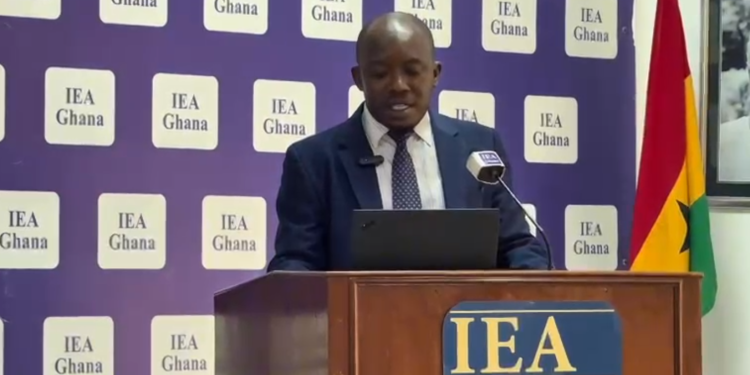
Raymond Agalga, Nuclear Policy Analyst and Project Lead at the IEA, outlined the scope of the 12-month Nuclear Phase II Completion and Institutional Readiness Support Programme. According to Agalga, the initiative goes beyond advocating for nuclear adoption—it serves as a neutral platform for government bodies to coordinate their efforts and communicate Ghana's nuclear objectives to the public.
"What we seek to do is not to take the mandate of any government body but to provide a space for these institutions to speak for Ghanaians to know what the programme objective is about," Agalga explained at the meeting.
A Comprehensive Roadmap for Nuclear Readiness
The Nuclear Phase II programme addresses multiple dimensions of preparation that experts argue are essential before Ghana can successfully deploy nuclear energy. The research agenda encompasses programme design, governance structures, financing mechanisms, regulatory frameworks, workforce development, nuclear security protocols and public accountability measures.
This multi-faceted approach reflects the complexity of nuclear energy projects, which require far more than technical capability alone. Successful deployment demands aligned policies across multiple agencies, a trained workforce, transparent regulatory systems and public confidence in safety standards.
The 2028 target represents an ambitious timeframe for Ghana to establish this foundational architecture. Currently, the country faces energy challenges that nuclear power could potentially address, but the path forward requires systematic institutional development rather than rushing into implementation.
Why It Matters for Ghana
Ghana's energy sector faces mounting pressures from growing demand and the need to diversify away from fossil fuel dependency. Nuclear energy offers a potential solution for large-scale, low-carbon baseload power generation—crucial for supporting the country's industrialisation goals and achieving climate commitments.
However, nuclear projects are capital-intensive and technically demanding. Without proper institutional coordination, Ghana risks miscalculating costs, encountering regulatory delays, or failing to build public trust. The IEA's emphasis on coordination suggests that past experiences with energy projects—where siloed government departments worked at cross-purposes—have informed this approach.
Additionally, nuclear energy could position Ghana as a regional hub for advanced energy technology, potentially attracting investment and expertise. However, this requires demonstrating institutional capacity and governance readiness that inspires confidence among international partners and local stakeholders.
The programme also connects nuclear development to Ghana's broader development objectives, suggesting that energy planners view nuclear not in isolation but as part of an integrated energy strategy. This holistic framing is essential given competing demands on government resources and the need to balance nuclear investment with renewable energy expansion and grid modernisation.
Stakeholder Engagement and Public Communication
A key element of Ghana's nuclear phase is public sensitisation and transparent communication. The IEA's work emphasises that government agencies must effectively articulate programme objectives to citizens, addressing concerns about safety, cost and environmental impact.
The success of any nuclear programme ultimately depends on public acceptance. Ghana's experience with major infrastructure projects shows that inadequate communication can derail initiatives or breed suspicion. The Nuclear Phase II programme appears to treat public accountability as a central pillar rather than an afterthought, which may enhance prospects for successful implementation.
Source: The Ghana Report



Comments (0)
Be the first to comment.