Government's Youth Job Programmes Are Fragmented and Wasteful, Minister Admits
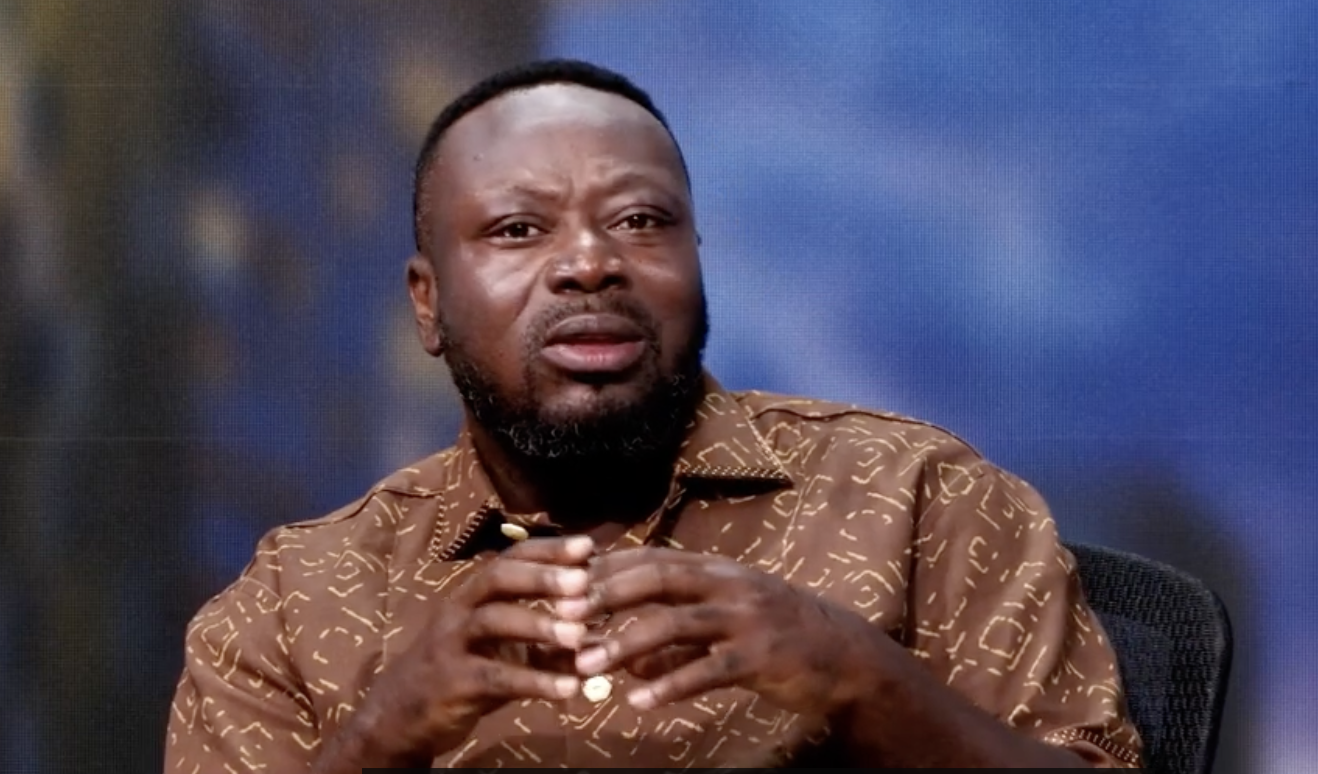
Ghana's Youth Development and Empowerment Minister George Opare Addo has identified a critical weakness in the government's approach to tackling youth unemployment: despite having numerous programmes in place, they remain poorly coordinated and heavily fragmented across multiple ministries, leading to duplication and wasted resources.
Speaking on 8 July, Mr Opare Addo acknowledged that the government spent its first 18 months conducting detailed research to understand the root causes of joblessness among young people before attempting large-scale interventions. "Within the last one year and six months, it's been very tough," he said, emphasising the complexity of addressing youth unemployment through long-term investment rather than quick fixes.
The Real Problem: Coordination, Not Programme Shortage
Rather than a lack of government initiatives, the minister revealed that fragmentation and poor implementation are the main obstacles. The government commissioned several surveys to map out the issues facing young people, and the findings painted a stark picture of institutional dysfunction.
According to Mr Opare Addo, different government ministries have been running parallel or identical youth employment programmes without communicating or cooperating. "One ministry says I'm doing A. We find another ministry says it's doing B. It ends up being the same program, same beneficial result, but no resources," he explained. This duplication means Ghana's limited budget for youth development is being spent inefficiently, with overlapping initiatives achieving little more than a single, well-coordinated effort would.
The minister pointed out that no single ministry had been designated to oversee and harmonise youth-related activities across government. This structural gap meant that education, skills training, entrepreneurship support, and employment programmes operated in silos, often targeting the same young people with redundant services.
Why This Matters for Ghana
Youth unemployment remains one of Ghana's most pressing challenges. With a large proportion of the population under 30 and competing for limited formal sector jobs, the government's inability to deliver coordinated, efficient youth programmes has direct consequences for economic stability and social cohesion.
The minister's admission is significant because it suggests that throwing more money or creating additional programmes will not solve the problem without first fixing how government institutions work together. For young Ghanaians seeking skills training or job placement support, the current system likely means inconsistent access to services and programmes that do not build on one another in any strategic way.
Mr Opare Addo stressed that investments in young people take time to yield results, meaning short-term political pressure to show quick wins can undermine long-term planning. However, the research conducted over the past 18 months is now intended to provide an evidence-based roadmap for better coordination and more targeted interventions.
Next Steps: Evidence-Based Coordination
The ministry says it will use the survey findings to improve how youth programmes are delivered and coordinated across government institutions. Rather than creating new initiatives, the focus will be on making existing ones work better together and ensuring young people have streamlined access to services.
Whether this renewed commitment to coordination will translate into tangible improvements for Ghana's jobless youth remains to be seen. The acknowledgment of structural dysfunction is a positive first step, but implementation and sustained inter-ministerial cooperation will be critical to success.
Source: MyJoyOnline


Comments (0)
Be the first to comment.