
Ghana to Decommission Emergency Power Plants by 2030 as Solar and Thermal Projects Take Centre Stage


Ghana has set a firm target to switch off its expensive emergency power plants — commonly known as dumsor-era lifelines — by the year 2030, according to details contained in the country's latest national Budget. The government intends to replace this costly emergency generation capacity with a combination of a state-owned thermal plant, utility-scale solar power and battery energy storage systems, signalling a significant shift in how the country manages its electricity supply.
What the plan involves
At the heart of the transition is a 1,450-megawatt state-owned thermal power plant, which is expected to serve as the backbone of reliable baseload generation once the emergency units are retired. Alongside this, a 600-megawatt solar farm will be developed to harness Ghana's abundant sunshine, feeding cleaner electricity into the national grid. Large-scale battery storage systems will complement both facilities, helping to balance supply and demand, particularly during peak hours or when solar generation dips at night.
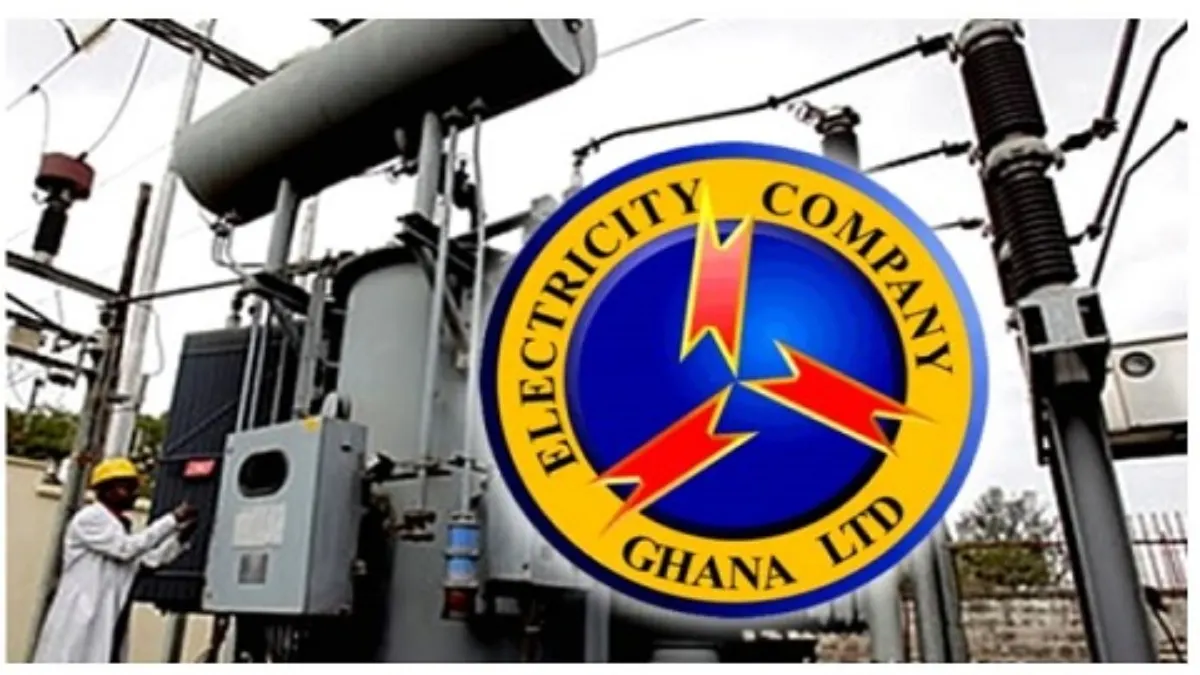
Emergency power plants — typically expensive oil or gas-fired units brought online at short notice to plug generation gaps — have long been a financial burden on Ghana's energy sector. These plants tend to operate at a significantly higher cost per unit of electricity than conventional generation, and their expenses have contributed to the mounting debts that have plagued the Electricity Company of Ghana and the wider power sector for years.
Why it matters for Ghana
The implications of this plan stretch well beyond electricity generation figures. High energy costs have been a persistent drag on Ghanaian businesses, manufacturers and households alike. Industrial consumers, in particular, have complained for years that electricity tariffs — inflated partly by the cost of emergency power — make it difficult to compete regionally. Successfully retiring these plants could, over time, ease pressure on tariffs and reduce the government's exposure to costly take-or-pay power contracts.
Ghana's power sector debt has also been a recurring concern for investors and development partners. The financial losses generated by expensive emergency generation have fed into a broader crisis in the energy sector, with the Ghana Grid Company and generation companies at various points struggling to settle obligations. A credible pathway to removing these high-cost units would therefore send a positive signal to lenders and ratings agencies watching the sector's finances.
From an environmental standpoint, the expansion of solar capacity aligns with Ghana's commitments under international climate agreements. Increasing the share of renewable energy in the generation mix reduces the country's carbon footprint and lessens dependence on imported liquid fuels, whose prices are subject to volatile global markets.
Challenges ahead
Ambitions on paper do not always translate smoothly into reality in Ghana's energy sector. Previous infrastructure targets have faced delays caused by financing difficulties, land acquisition disputes, grid integration challenges and shifting government priorities. Securing funding for a 1,450MW thermal plant and a 600MW solar facility — both substantial capital investments — will require serious engagement with international financiers, development banks and private investors.
Experts have also noted that retiring emergency capacity too quickly, without confirmed replacement generation being fully online and tested, risks a return to the load-shedding that crippled the economy during the worst dumsor years of the mid-2010s. The sequencing of decommissioning alongside new plant commissioning will therefore be critical.
For now, the 2030 deadline gives Ghana roughly five years to execute what would be one of the most consequential restructurings of its electricity sector in a generation. Whether the political will and financial resources can be sustained across budget cycles and potential changes in administration remains the central question.
Source: 3News


Comments (0)
Be the first to comment.