
Five Ghanaian Artists Turn Diplomatic Gala Into Powerful Cry for Water Justice
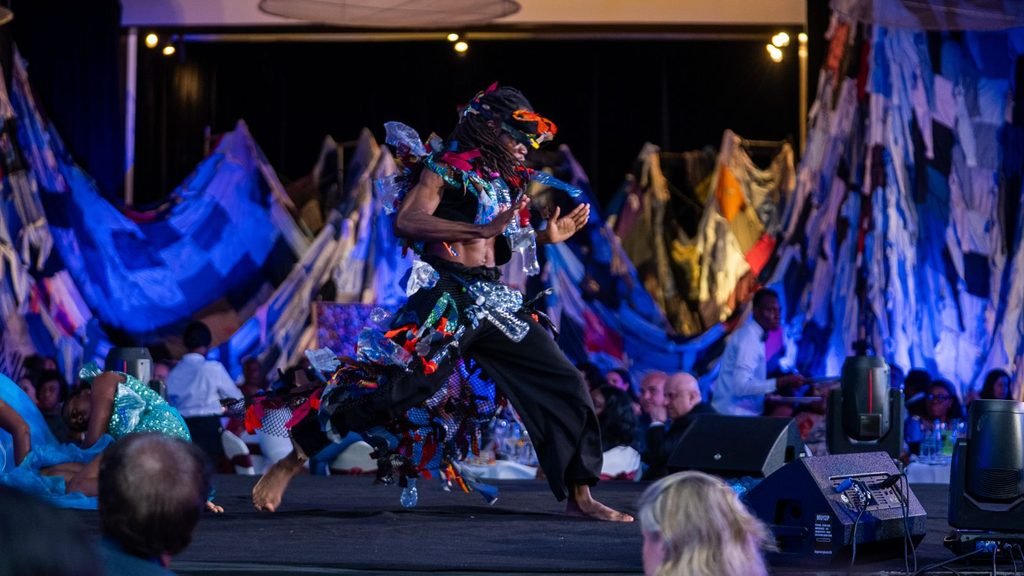

A striking collision of art, diplomacy and environmental advocacy unfolded at a black-tie charity gala hosted by the Association of Spouses of Heads of Diplomatic Missions and International Organizations (ASOHOM), where five Ghanaian artists transformed a formal event space into an immersive call to protect Africa's water heritage. The centrepiece of the evening was 'Woven Currents', a specially commissioned exhibition that placed Ghana's most urgent aquatic challenges — from coastal pollution to ancestral loss — squarely in front of diplomatic delegates, collectors and cultural leaders.
Art as activism: what the artists brought to the room
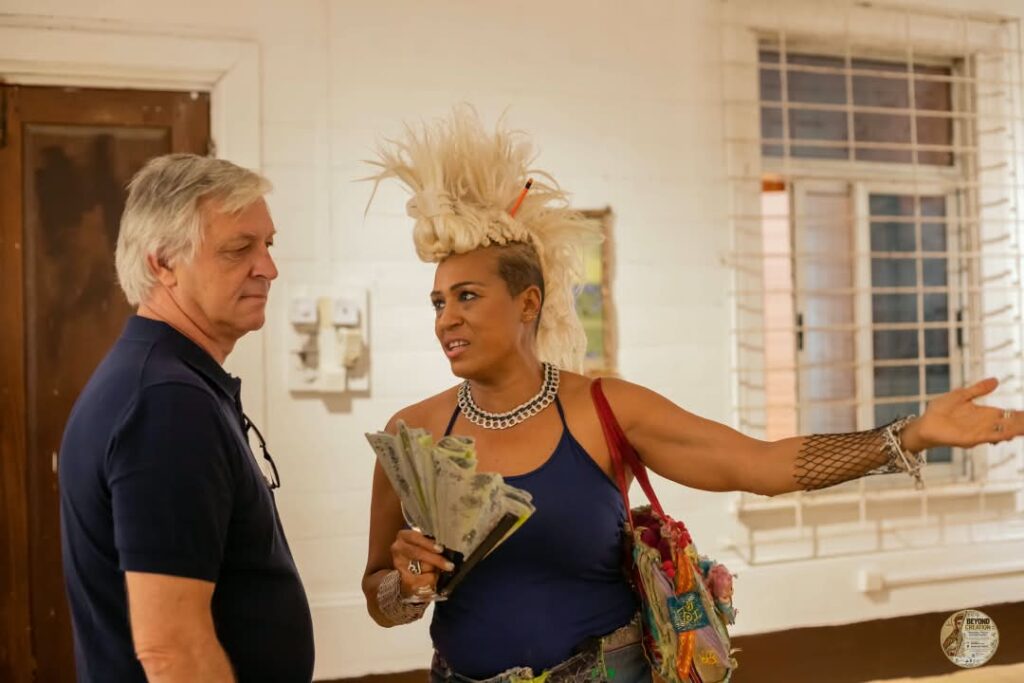
Far from serving as decorative backdrop to a fundraising dinner, 'Woven Currents' was co-curated by Fang W. Linulf of LogonART and Fadila Njoya of Gallery Sankofa with a deliberately confrontational vision. Linulf, drawing on her architectural training, reimagined the multi-function venue into a vivid, spatially dynamic gallery where monumental installations encircled guests, dissolving the usual distance between viewer and artwork.
Each of the five featured artists responded directly to Ghana's environmental realities. Emmanuel Aggrey Tieku constructed a towering textile installation using discarded 'Oburoni Wawu' — the second-hand imported clothing familiar to any Ghanaian market — to expose the link between waste colonialism and ocean contamination. Patrick Tagoe Turkson assembled intricate works from beach-salvaged flip flops and abandoned fishing nets, weaving Asafo flag and Kente cloth symbolism through marine debris to marry indigenous cultural knowledge with modern ecological crisis.
Sena Burgundy offered blue-toned figurative canvases probing inner reflection against a backdrop of shifting environmental realities, while Nana Frimpong Oduro's surreal photography drew on Akan cosmology to capture ancestral memory and human resilience within Ghana's coastal waters. Evans Torngmortey Akornor completed the exhibition with threshold-themed mixed media works constructed from fishing shore remnants, excavating both visible and hidden layers of shoreline history.
Guests also witnessed a live dance performance titled 'Cry of the River' by Vivie's Dance, adding a visceral, embodied dimension to the evening's environmental message.
Why it matters for Ghana
Ghana faces a compounding water crisis that stretches from the inland rivers poisoned by illegal small-scale mining — galamsey — to coastlines choked with plastic waste and ghost fishing gear. The country's fishing communities, many of whom depend entirely on healthy marine ecosystems, are among the most directly affected. At the same time, the global fashion industry's dumping of unsold and low-quality second-hand clothing in West African markets — a trade concentrated at hubs like Kantamanto in Accra — has become a recognised driver of textile pollution in Ghana's waterways and beaches.
By placing these local realities inside a diplomatic social event, ASOHOM and the curatorial team achieved something rare: they inserted grassroots ecological narratives into a space normally occupied by formal policy language. The curators were explicit that 'Woven Currents' was designed to enrich water conservation conversations at the policy level, not simply to beautify a gala.
A live auction of the five signature artworks and a raffle draw raised funds directed entirely toward humanitarian support for vulnerable communities across Ghana, giving the evening a concrete philanthropic outcome alongside its cultural ambitions.
Ghana's art scene steps onto the global stage
The gala also signals a growing confidence in Ghana's contemporary art ecosystem. Gallery Sankofa and LogonART represent a new generation of curatorial voices actively connecting Ghanaian artistic practice to international audiences and pressing global conversations. The involvement of diplomatic missions lends that work added reach, potentially opening doors to international collectors, residencies and policy forums where Ghanaian perspectives on climate and ecology are urgently needed.
For the artists themselves — several of whom work with reclaimed and found materials rooted in Ghanaian everyday life — the ASOHOM platform offered rare visibility at the intersection of culture, conservation and diplomacy. If 'Woven Currents' demonstrated anything, it is that Ghanaian art is more than capable of carrying the weight of the continent's most serious environmental conversations.
Source: The Ghanaian Times



Comments (0)
Be the first to comment.