
Ghana's Iconic Kente Cloth Captivates Moscow: Over 11,000 Russians Experience Cultural Pride


Ghana's cultural diplomacy reached a significant milestone this week as the Ghana Export Promotion Authority (GEPA) successfully hosted a major Kente cloth exhibition in Moscow, drawing more than 11,000 Russian visitors eager to explore the West African nation's most celebrated textile tradition. The exhibition represents a bold initiative to elevate Ghana's cultural and commercial presence on the international stage, while fostering meaningful connections between the Ghanaian and Russian peoples.
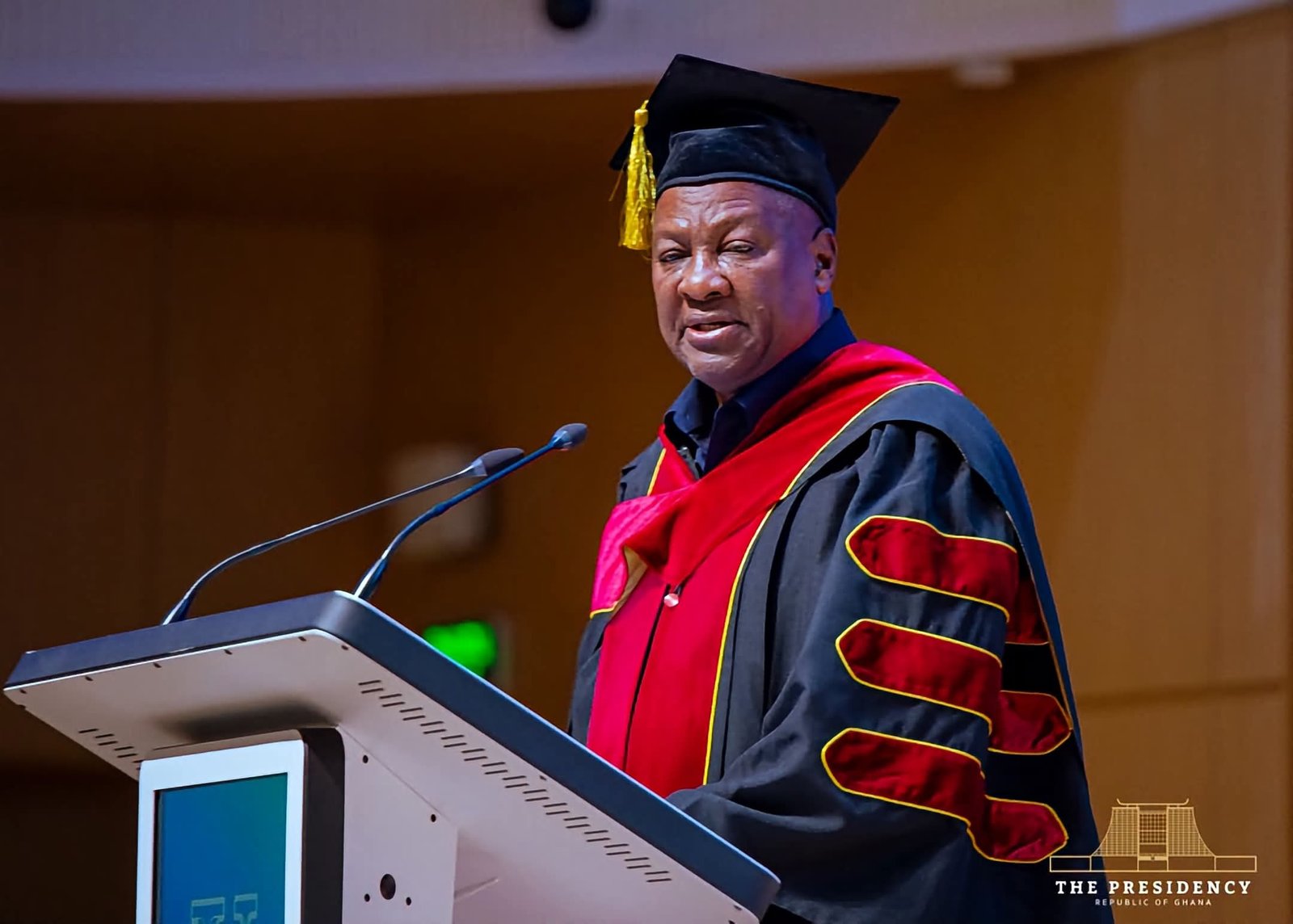
President John Mahama attended the exhibition and publicly commended the organisers and Russian hosts for their commitment to promoting cultural understanding between the two nations. His endorsement underscores the government's recognition of culture as a powerful tool for soft diplomacy and international relations, extending Ghana's influence beyond politics and economics into the realm of heritage and artistic expression.
Kente's Journey to Moscow
Kente weaving, a centuries-old Ghanaian tradition predominantly associated with the Asante, Ewe, and other ethnic groups, has long been a symbol of national identity and pride. The cloth's intricate patterns, vibrant colours, and cultural significance make it one of Africa's most recognisable and respected textiles. By bringing this heritage to Moscow, GEPA has positioned Kente not merely as a commodity but as a window into Ghana's rich cultural narrative.
The scale of attendance—over 11,000 visitors—suggests significant popular interest in Ghanaian culture within Russia, a market previously underexplored for cultural and creative goods. This turnout may open doors for future commercial opportunities, as international exhibitions of this kind often translate into business leads for exporters and artisans.
Why It Matters for Ghana
This exhibition holds several implications for Ghana's broader development strategy. First, it demonstrates the viability of cultural exports as a revenue stream for local weavers, designers, and the creative industries—sectors the government has prioritised for job creation and economic diversification. Second, it strengthens Ghana's diplomatic footprint in emerging markets, potentially paving the way for enhanced trade relationships and tourism promotion.
The event also aligns with Ghana's branding as a cultural hub in Africa. As the nation positions itself to attract international investment and tourism, showcasing authentic heritage to global audiences reinforces its unique value proposition. For Ghanaians working in the textile and fashion sectors, such high-profile international platforms validate their craft and create aspirational pathways for growth.
Additionally, the success of this exhibition in Russia—a nation with limited historical ties to Ghana—demonstrates the universal appeal of Ghanaian culture and the potential for cross-continental partnerships that transcend traditional Western markets. This approach could inspire similar cultural initiatives in other regions, helping Ghana build a more diversified and resilient international presence.
Building Bridges Through Culture
President Mahama's remarks emphasise a strategic vision of using cultural exchange as a foundation for bilateral relations. Such initiatives complement formal diplomatic channels and create grassroots understanding between peoples. As Russians engage with the artistry and history embedded in Kente, they develop a personal connection to Ghana, which can translate into goodwill, tourism, and commercial interest.
Looking ahead, GEPA and Ghana's cultural agencies should capitalise on this momentum by planning follow-up exhibitions in other strategic markets and leveraging digital platforms to extend the reach of this exhibition to audiences who could not attend in person. The success in Moscow offers a blueprint for how Ghana can harness its cultural heritage as a competitive advantage in the global marketplace.
Source: 3News



Comments (0)
Be the first to comment.