
FDA Cracks Down on Cigarette-Shaped Candy in Accra Over Health and Youth Concerns

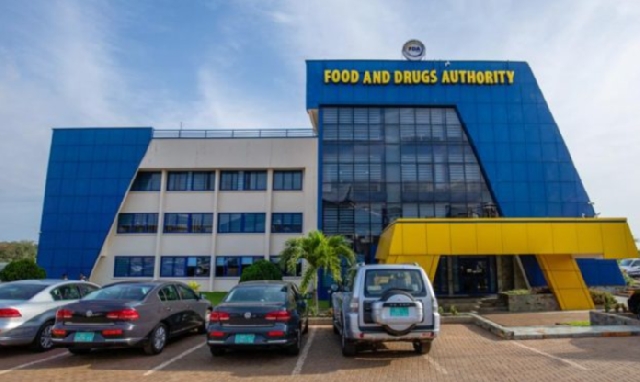
Ghana's Food and Drugs Authority has intensified enforcement action against dangerous counterfeit confectionery, seizing quantities of unregistered cigarette-shaped lollipops being peddled in Accra's Central Business District. The operation, conducted in collaboration with National Security, resulted in the arrest of a key suspect now in police custody as investigations commence into the full supply chain of the illicit product.
The confectionery in question, marketed under the brand name Cigarette Rod Lollipop, represents a troubling intersection of public health risk and youth protection concerns. By mimicking the appearance of actual cigarettes, the product poses a dual threat: its unregistered status means consumers have no guarantee of safe composition or manufacturing standards, whilst its design deliberately exploits children's curiosity about adult behaviours.
Why It Matters for Ghana
This seizure touches on two critical policy areas for Ghana. First, food safety regulation directly affects millions of Ghanaians, particularly vulnerable populations like children who lack the discernment to identify genuine versus counterfeit products. The FDA's registration requirement exists precisely because unregulated imports can contain harmful additives, contaminants, or incorrect labelling that pose serious health consequences.
Second, Ghana has committed to tobacco control under international frameworks including the Framework Convention on Tobacco Control. The proliferation of products that normalise or trivialise smoking—especially those disguised as harmless sweets—directly undermines public health campaigns aimed at reducing smoking initiation among young people. The psychological effect of children consuming products shaped like cigarettes can lower the psychological barrier to actual tobacco use.
Legal Framework and Public Warning
The FDA invoked Section 97(1) of the Public Health Act, 2012 (Act 851), which explicitly criminalises the manufacture, import, export, distribution, sale or supply of food without Authority registration. By classifying the Cigarette Rod Lollipop as a food product, the Authority has a clear statutory basis for enforcement action and penalties against importers and distributors.
The Authority has issued a blanket advisory urging the public to avoid the product entirely. Anyone currently holding stock has been asked to surrender it to the nearest FDA office or contact the Authority directly. The Agency is also appealing for public cooperation, offering confidential rewards for information leading to arrests of those behind the importation chain.
Broader Implications
This case highlights the ongoing challenge of policing Ghana's borders and informal markets against counterfeit and unregistered goods. The CBD seizure suggests the product had achieved some level of distribution before detection, raising questions about how effectively surveillance mechanisms operate in high-traffic commercial zones.
For consumers, the message is clear: purchasing unregistered products from informal vendors carries real risks. Beyond legal penalties, buyers expose themselves and their families to unknown health hazards. Parents and guardians are implicitly advised to monitor children's consumption of sweets purchased outside regulated retail channels.
The FDA's partnership with National Security in this operation signals institutional coordination on food security matters, though sustained supply chain vigilance will require ongoing collaboration between border agencies, customs, and local enforcement teams to prevent similar products from entering the market.
Source: The Ghanaian Times


Comments (0)
Be the first to comment.