Duncan Amoah: Ghana's 24-Hour Economy Needs Security and Lighting, Not Just Market Buildings
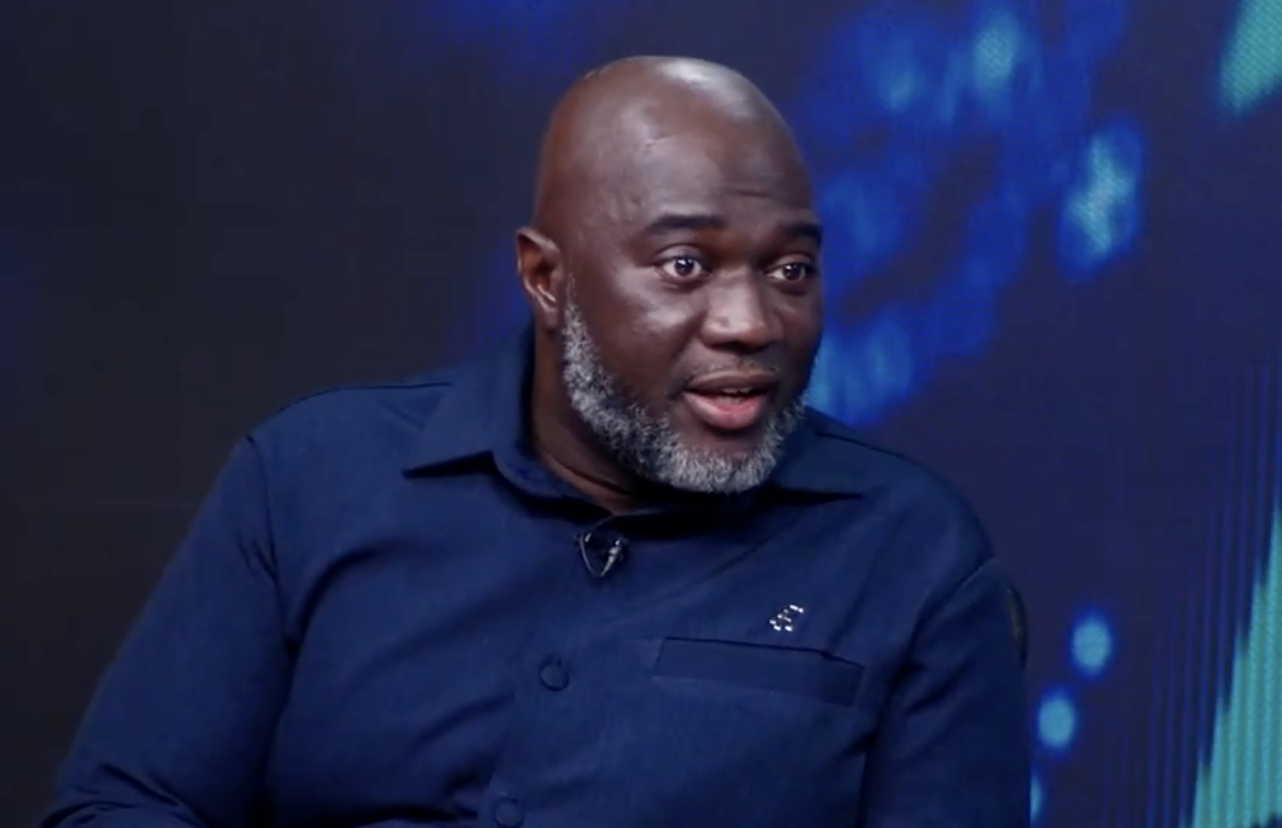
The Chamber of Petroleum Consumers (COPEC) has challenged Ghana's approach to implementing a 24-hour economy, with Executive Secretary Duncan Amoah arguing that government investment should focus on enabling conditions rather than constructing new market infrastructure.
Amoah's critique centres on a fundamental concern: that building physical markets without addressing the barriers preventing Ghanaians from engaging in evening and night-time economic activity will waste public resources. He pointed out that even ultra-modern facilities will remain unused if cultural patterns and safety concerns keep people indoors after dark.
The Real Obstacles to Night-Time Commerce
According to Amoah, the primary barriers preventing Ghana's night-time economy from functioning are security concerns and inadequate street lighting. Many Ghanaians remain reluctant to venture out after sunset due to fears of robbery and crime, creating a self-defeating cycle where businesses cannot operate profitably because customers will not come, and customers avoid the streets because insufficient police presence and lighting make them feel vulnerable.
He called for a significant police deployment strategy specifically tailored to night hours, arguing that security presence should be doubled during evening and night shifts rather than maintained at daytime levels. Beyond visible policing, improved street lighting across communities and major roads would give residents and workers the confidence to move about freely, shop, dine, and engage in commerce without fear.
Amoah noted that functional night-time economies could benefit specific sectors significantly. Salons, pharmacies, retail shops, restaurants and similar service businesses could extend their operating hours and capture additional revenue if the necessary conditions existed—essentially claiming that wasted evening hours represent lost economic productivity for the entire nation.
Market-Led Solutions Over Market Buildings
Rather than government-funded market construction, Amoah advocated for incentive-based approaches to stimulate demand during off-peak hours. He suggested that businesses could be encouraged to offer competitive pricing and promotional activities during evening periods, naturally attracting customers and generating additional economic activity without requiring government infrastructure projects.
This market-driven approach would require policy support—such as flexible licensing regulations, tax incentives, or subsidised utilities for businesses extending hours—but would avoid the pitfall of constructing facilities that remain underutilised because fundamental conditions for their success have not been established.
Why This Matters for Ghana
Ghana's 24-hour economy initiative aims to increase overall economic output and employment by encouraging business and consumer activity beyond traditional daylight hours. However, the debate over implementation strategy reflects a deeper tension in development policy: whether government should build infrastructure first and hope activity follows, or create enabling conditions and allow market forces to drive investment.
For Ghana, where unemployment remains a challenge and informal sector workers often operate with minimal income, access to extended earning hours could provide meaningful economic relief. Night-shift workers, evening shoppers, and businesses seeking additional revenue streams represent genuine demand that remains untapped due to legitimate safety concerns rather than lack of interest.
Amoah's arguments also resonate with broader critiques of government infrastructure projects that fail to deliver expected returns. If the government invests in multiple 24-hour markets without simultaneously addressing the security and lighting deficits that discourage evening foot traffic, those facilities could become visible monuments to ineffective planning—wasting resources that might have addressed root causes more effectively.
The COPEC position suggests that successful night-time economic expansion requires a coordinated approach combining enhanced security, improved infrastructure (lighting), supportive policies, and private sector investment—rather than government market construction alone. Whether policymakers will adopt this more comprehensive framework remains to be seen.
Source: MyJoyOnline


Comments (0)
Be the first to comment.